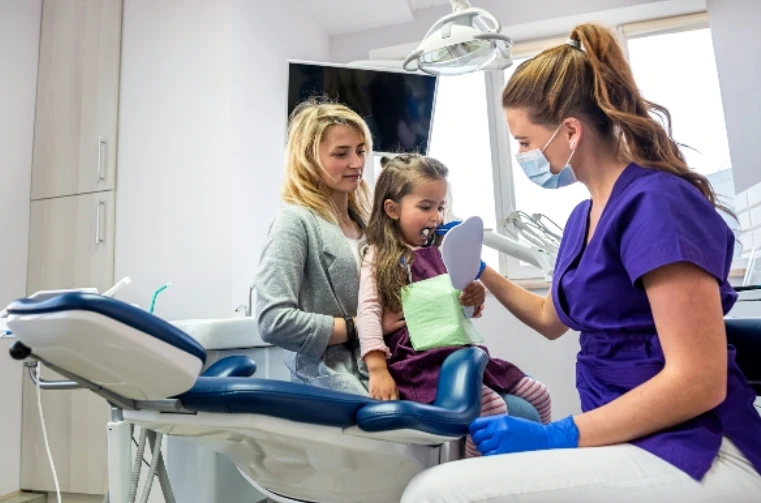

In the realm of childrens orthodontics, the importance of early evaluations cannot be overstated. These assessments play a crucial role in the long-term dental health and overall well-being of children. The concept of early intervention in orthodontics is not just about aesthetics; it encompasses the prevention of potential issues, the promotion of proper development, and the establishment of a foundation for lifelong oral health. This article delves into the many reasons why early evaluations are essential and how they can significantly impact a child's dental future.
Understanding the Need for Early Evaluations
Early evaluations in children's orthodontics are typically recommended around the age of seven. At this age, a child's permanent teeth have started to emerge, and orthodontists can begin to identify any irregularities in alignment or development. The rationale behind this timing is that the early detection of dental issues allows for timely intervention. For instance, if a child has a significant overbite or underbite, addressing it early can prevent more invasive treatments later in life. This proactive approach can save families time, money, and emotional distress down the road.
The growth patterns of children vary significantly, and early orthodontic evaluations take these individual differences into account. Each child develops at their own pace, and what may be normal for one child could be problematic for another. By assessing a child's teeth and jaw alignment early on, orthodontists can tailor their approach to each child's unique development. This personalized strategy ensures that any necessary treatment is initiated at the most beneficial time, maximizing its effectiveness.
The Role of Prevention in Orthodontics
One of the primary benefits of early evaluations in children's orthodontics is the emphasis on prevention. Many orthodontic issues, such as crowding, spacing, or improper bites, can be addressed before they escalate. For example, if a child is found to have a significant amount of crowding, an orthodontist may recommend the removal of certain baby teeth to create space for the incoming permanent teeth. This preventative measure can help avoid the need for more extensive orthodontic treatments later, such as braces, which can be both time-consuming and costly.
Moreover, early evaluations can help identify habits that may negatively impact dental health, such as thumb sucking or prolonged pacifier use. These habits can lead to misalignment of teeth if not addressed early. An orthodontist can provide guidance and strategies to help children break these habits, thus preventing future orthodontic issues. By focusing on prevention, early evaluations not only improve a child's immediate dental health but also lay the groundwork for a healthy smile as they grow.
Improving Overall Health and Well-Being
The implications of orthodontic issues extend beyond just dental aesthetics; they can significantly affect a child’s overall health and well-being. Misaligned teeth and jaws can lead to difficulties in chewing, speaking, and maintaining proper oral hygiene. These challenges can result in a range of issues, including nutritional deficiencies, speech impediments, and even social anxiety due to a lack of confidence in one’s appearance.
When children receive early evaluations in children's orthodontics, these potential problems can be identified and addressed promptly. For instance, if a child struggles with speech due to misaligned teeth, an orthodontist can recommend the appropriate treatment to help improve their articulation. Moreover, by fostering a positive self-image through proper dental alignment, children are more likely to develop confidence in their social interactions, contributing to their emotional and psychological well-being.
Additionally, there's a significant link between oral health and overall physical health. Poor dental alignment can lead to issues such as jaw pain, headaches, and even sleep apnea. Early evaluations allow for the identification of these concerns, giving orthodontists the opportunity to implement strategies that can alleviate discomfort and improve a child’s quality of life.
Building a Foundation for Lifelong Oral Health
Another critical aspect of early evaluations in children's orthodontics is the establishment of a solid foundation for lifelong oral health. By addressing orthodontic issues early, children are more likely to maintain proper alignment throughout their lives. This proactive approach can reduce the need for extensive orthodontic treatments in adulthood, such as the use of braces or surgical interventions.
The education provided during these early evaluations is also invaluable. Orthodontists not only assess a child's dental health but also educate both the child and their parents about the importance of good oral hygiene practices, the effects of diet on dental health, and the significance of regular dental check-ups. This knowledge empowers families to take an active role in their dental care, fostering habits that promote oral health for years to come.
Furthermore, early evaluations instill a sense of responsibility in children regarding their dental care. When children understand the reasoning behind the evaluations and the importance of their dental health, they are more likely to embrace good habits. This early education can lead to a lifetime of healthier smiles and reduced health complications related to oral issues.
Summary
In summary, the significance of early evaluations in children's orthodontics cannot be overlooked. They provide a critical opportunity for the early detection and prevention of potential dental issues, improve overall health and well-being, and establish a foundation for lifelong oral health. By prioritizing these evaluations, parents can invest in their children's future, ensuring that they not only have beautiful smiles but also a healthy and confident approach to life.










Sign in to leave a comment.