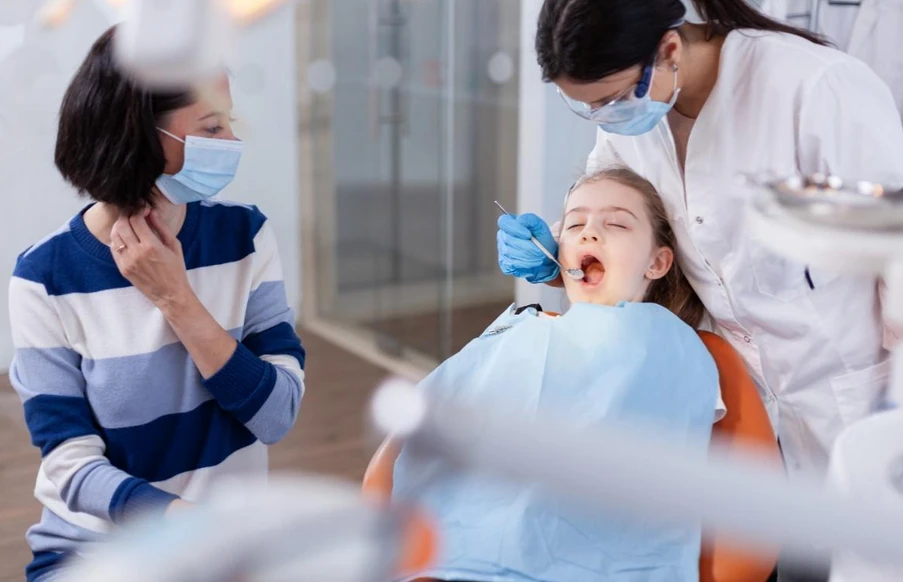

A family’s first visit to the orthodontist can be both exciting and a little daunting, especially if it's uncharted territory. Whether you're exploring options for your child, yourself, or even multiple family members, understanding what to expect can ease anxieties and set the stage for a positive orthodontic journey.
This guide walks you through the steps of a typical first visit and highlights why family orthodontics is essential for long-term oral health and confidence.
Why Early Orthodontic Visits Matter
The British Orthodontic Society recommends that children have an orthodontic evaluation no later than age seven. While this may seem early, it's an ideal time for an orthodontist to assess the development of the teeth and jaw. For adults, it’s never too late to seek orthodontic treatment. Modern techniques have made it easier and more discreet than ever.
Choosing a clinic that specialises in family orthodontics ensures that every member of your household receives age-appropriate care in a supportive environment. These practices are equipped to handle the unique needs of children, teens, and adults alike.
Scheduling Your First Appointment
Booking your initial visit is straightforward. Most orthodontic practices offer online scheduling or booking over the phone. It’s helpful to have previous dental records on hand, as your orthodontist may want to review X-rays or notes from your family dentist before the appointment.
When calling, mention that it’s a first-time visit for your family. This gives the clinic an opportunity to allocate more time for questions and discussions, particularly if multiple family members will be seen during the same appointment.
Arrival and Welcome
Upon arrival, you’ll be welcomed by the reception team. You may be asked to complete a medical history form if you haven’t done so online beforehand. This form covers general health questions, any current medications, allergies, and dental history — all important details that help the orthodontist customise your treatment.
For younger children, many family orthodontics clinics have child-friendly waiting areas with books, games, or digital entertainment to make the experience less intimidating.
Initial Consultation and Examination
The first part of the visit typically includes a thorough consultation and oral examination. The orthodontist will:
- Check the alignment of teeth and jaws
- Assess bite function (how the upper and lower teeth come together)
- Look for signs of overcrowding, spacing, or protrusions
- Examine facial symmetry and jaw development
In some cases, digital photographs or 3D scans may be taken. These help the orthodontist gain a comprehensive view of your dental structure without the need for traditional impressions, which some patients find uncomfortable.
Diagnostic Imaging
X-rays are often used during the first visit to gain insight into what’s happening beneath the surface. A panoramic X-ray can show unerupted teeth, impacted teeth, or jawbone irregularities. This is a vital part of planning any orthodontic treatment.
Because family orthodontics involves patients of various ages, the imaging methods used are safe and adapted to suit different age groups. Modern practices use low-radiation digital X-rays for precise and safe diagnostics.
Discussion of Treatment Options
After the examination and imaging are complete, the orthodontist will discuss findings with you. If treatment is necessary, they’ll explain the recommended plan, including:
- The type of orthodontic appliance (braces, clear aligners, etc.)
- Estimated treatment duration
- Cost and financing options
- Expected results and benefits
- Importance of maintenance and oral hygiene
For children who may not need immediate treatment, the orthodontist might recommend a follow-up schedule to monitor development. This proactive approach is one of the advantages of choosing a clinic experienced in family orthodontics.
Financial and Insurance Information
Cost is often a concern when it comes to orthodontic treatment. During your first visit, the office staff will outline the cost of treatment and available payment plans. Many practices offer flexible financing and work with a variety of dental insurance providers to ease the financial burden.
Ask if the clinic provides a family discount, which is sometimes available when more than one member undergoes treatment.
Customised Treatment Plans
One of the hallmarks of modern family orthodontics is the personalised treatment plan. No two patients are the same, and your orthodontist will create a tailored plan to match your needs and lifestyle.
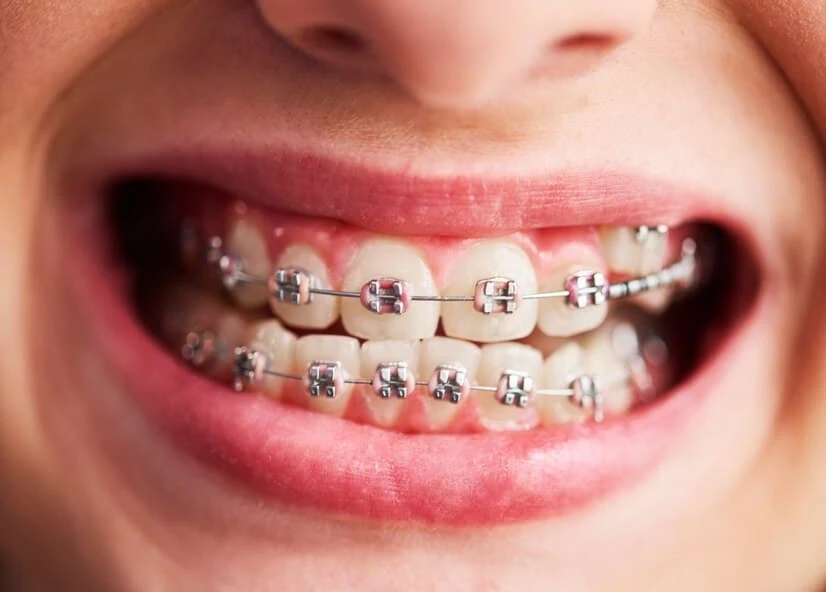
Children might be advised to wear space maintainers or removable appliances. Teens and adults may be offered traditional metal braces, ceramic braces, or nearly invisible clear aligners such as Invisalign. The plan will be based not just on clinical need but also on personal preferences and aesthetic concerns.
Questions and Follow-Up
You’ll have the opportunity to ask questions at every stage of the visit. It’s common to inquire about:
- How often will appointments be
- What foods should be avoided during treatment
- Whether treatment will affect speech or appearance
- How to manage discomfort
The orthodontist and staff should provide clear, reassuring answers. After the consultation, you’ll either schedule your first treatment session or, in cases where treatment is not yet necessary, a follow-up appointment in a few months or a year.
Creating a Positive Experience for Children
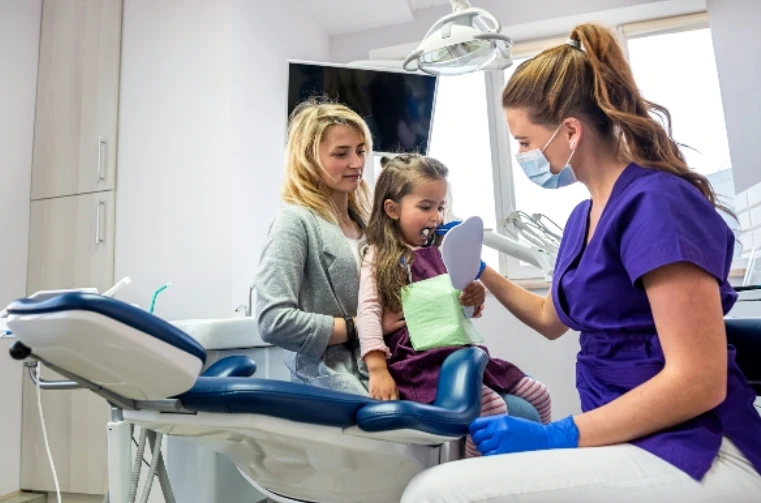
For families with younger children, making the first visit enjoyable can set a positive tone for future appointments. Many family orthodontics practices use child-friendly language, show-and-tell demonstrations, and even reward systems to help children feel at ease and motivated about their dental health.
Parents can help by talking positively about the visit beforehand and treating it like an exciting milestone, not a medical ordeal.
The Long-Term Benefits of Family Orthodontics
Choosing a practice that focuses on family orthodontics offers numerous advantages. It simplifies scheduling, ensures continuity of care, and allows all family members to be treated by the same trusted team. It also fosters a shared sense of responsibility and encouragement within the household, which can improve treatment outcomes.
Orthodontic care goes beyond straight teeth — it improves oral function, prevents future dental problems, and boosts self-esteem. Starting the journey as a family can make it more meaningful and successful.
If you're considering orthodontic treatment for your family, knowing what to expect at your first visit can make all the difference. From the warm welcome to the personalised treatment plans, family orthodontics is designed to support every age and stage of life, helping your loved ones smile with confidence for years to come.











Sign in to leave a comment.