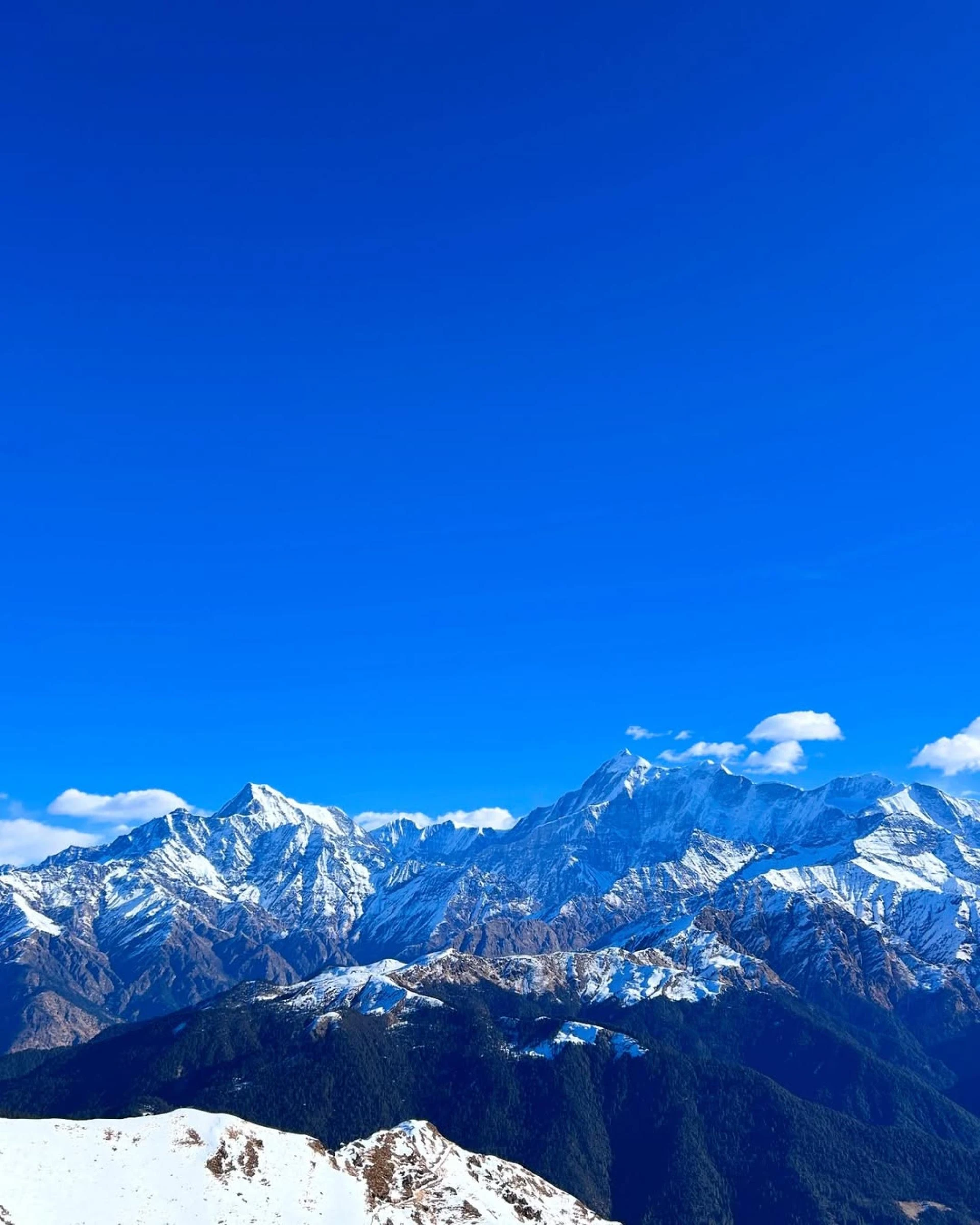

When it comes to winter treks in Uttarakhand, two names that often top every trekker’s list are Brahmatal and Kedarkantha. Both are beginner-friendly Himalayan treks that can be done even if you have little or no prior trekking experience. What makes them special is the combination of snow-covered trails, peaceful forests, scenic campsites, and unforgettable views of some of the highest peaks in India.
The Brahmatal Trek is famous for its frozen alpine lake, quiet campsites, and clear views of Mt. Trishul and Nanda Ghunti. On the other hand, the Kedarkantha Trek is known for its summit climb, where trekkers are rewarded with a 360-degree panorama of snow-clad mountains and one of the best sunrises in the Himalayas.
Since both treks are equally beautiful yet unique in their own ways, many first-time trekkers and even experienced hikers often get confused about which one to choose. In this article, we’ll compare Brahmatal vs Kedarkantha side by side, looking at factors like difficulty, scenery, duration, snow, and crowd, so you can decide which trek is the right fit for you.
1. Location and Base Villages
- Brahmatal Trek starts from Lohajung village, around 250 km from Rishikesh.
- Kedarkantha Trek starts from Sankri village, about 200 km from Dehradun.
Both treks are accessible by road, but Lohajung takes a little longer to reach than Sankri.
2. Trek Difficulty
- Brahmatal: Easy to moderate, with gentle climbs through forests and open meadows.
- Kedarkantha: Easy to moderate, but the summit day climb is a bit steep.
Choose the Brahmatal Trek package for 5–6 days of snow, scenic trails, and the beauty of Mt. Trishul and Nanda Ghunti.
3. Scenic Beauty
- Brahmatal Trek Highlights:
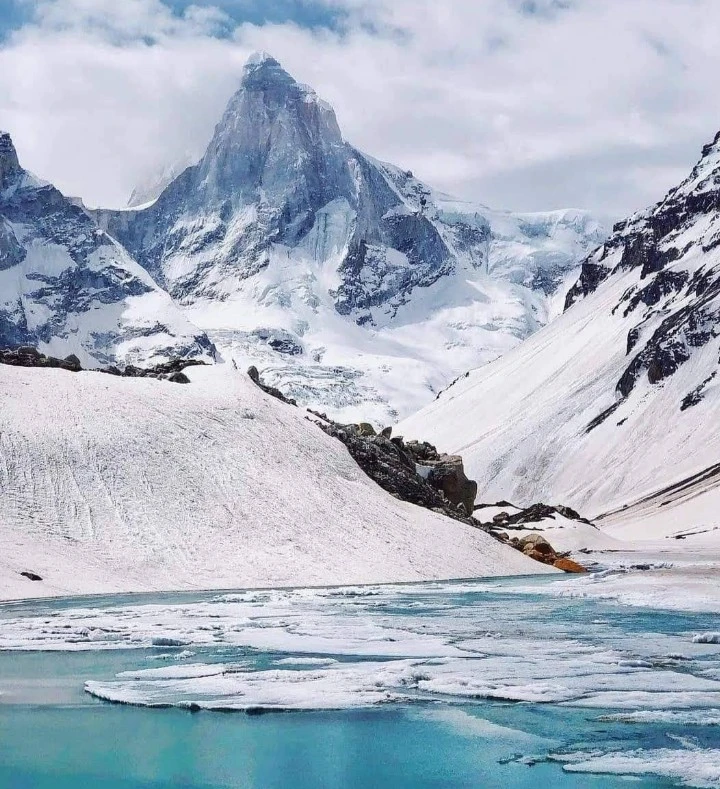
- Frozen Brahmatal lake.
- Dense oak and rhododendron forests.
- Views of Mount Trishul and Nanda Ghunti.
- Kedarkantha Trek Highlights:
- The famous 360° view from Kedarkantha summit.
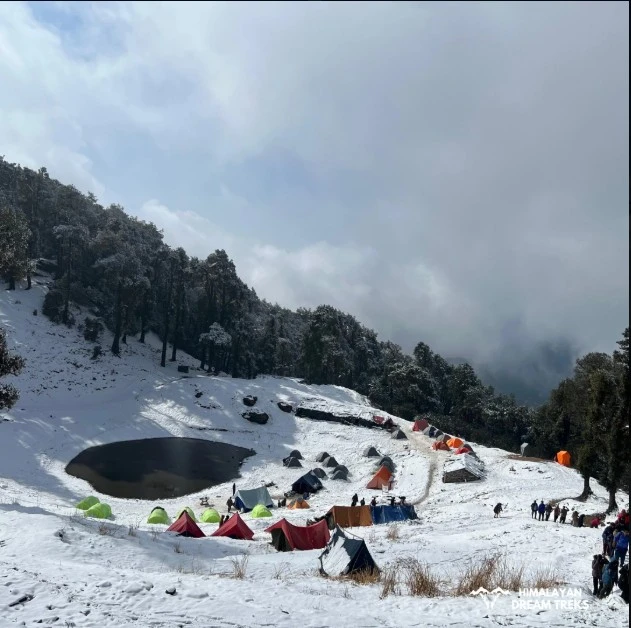
- Snowy meadows and Juda Ka Talab campsite.
- Peaks like Swargarohini, Black Peak, and Bandarpoonch.
Choose Brahmatal if you love lakes and forests. Choose Kedarkantha if you want a summit climb with wide views.
4. Snow Experience
- Brahmatal: Heavy snowfall from December to February. The frozen lake is the main attraction.
- Kedarkantha: Deep snow in winter, especially on summit day, which makes it adventurous.
Both offer magical snow trails, perfect for a first snow trek.
5. Campsites and Crowd Factor
- Brahmatal Campsites: Quiet, inside thick forests, less crowded.
- Kedarkantha Campsites: Scenic but often crowded, especially at Juda Ka Talab.
Pick Brahmatal for solitude. Pick Kedarkantha if you like a social trek with many groups.
6. Trek Duration
- Brahmatal Trek: 5–6 days.
- Kedarkantha Trek: 4–5 days.
If you are short on time, Kedarkantha is better.
7. Best Time to Visit
- Brahmatal: December to March for snow.
- Kedarkantha: December to April for snow and clear skies.
Both are true winter treks, but Brahmatal stays colder for longer.
8. Who Should Choose Which Trek?
- Choose Brahmatal if you want:
- Frozen alpine lake.
- Less crowd and peaceful camping.
- Stunning views of Mt. Trishul and Nanda Ghunti.
- Choose Kedarkantha if you want:
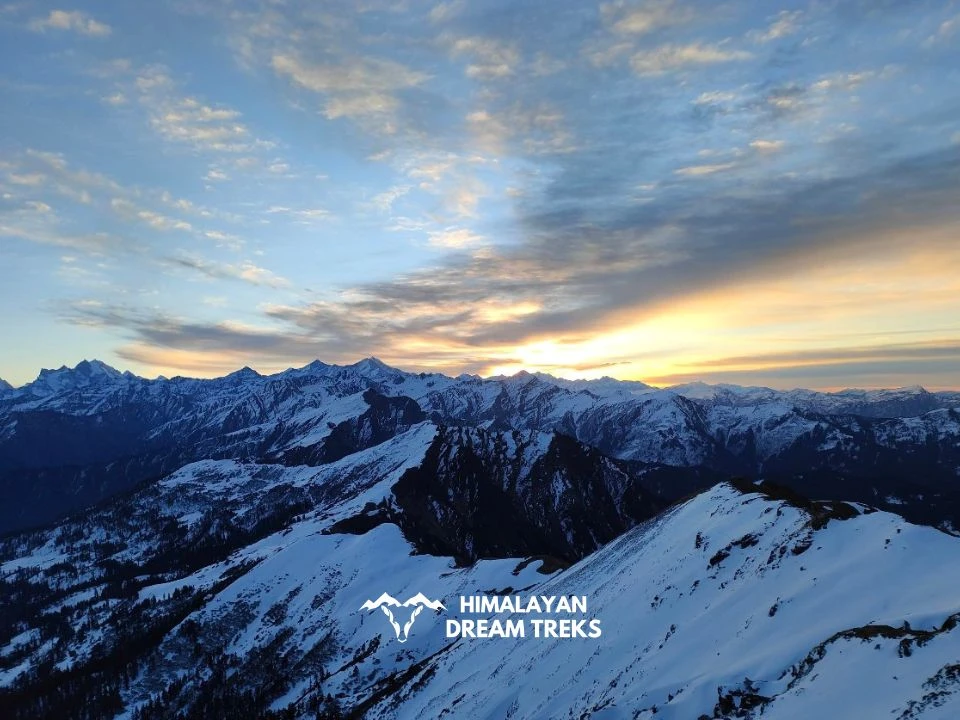
- A summit climb with a rewarding sunrise.
- A shorter trek with easy access.
- Social trekking experience with many fellow trekkers.
Conclusion
Both Brahmatal and Kedarkantha are excellent choices for a first Himalayan winter trek. If you want quiet trails and a frozen lake, go for Brahmatal. If you prefer a summit adventure with sunrise views, Kedarkantha is your trek.
No matter which one you choose, both will give you unforgettable memories of the Himalayas in winter.
FAQs
Q1. Which trek is easier, Brahmatal or Kedarkantha?
Both are beginner-friendly, but Brahmatal has gentler climbs.
Q2. Which trek has better views?
Brahmatal offers lake and forest views, Kedarkantha offers a summit with 360° mountain views.
Q3. Can beginners do these treks?
Yes, both are suitable for first-time trekkers with basic fitness.
Q4. Which trek is less crowded?
Brahmatal is quieter compared to Kedarkantha, which is very popular.






Sign in to leave a comment.