
A new diagnosis raises both medical questions and everyday worries simultaneously. The best start is a clear picture of the disease and a plan you can actually follow. Ask your clinician to summarise the cancer type, the stage, and the intent of therapy (curative or control). With that foundation, Breast Cancer treatment in India can be organised around real life, not just clinic calendars.
Get the diagnosis and staging right
Core needle biopsy confirms the pathology. Reports usually list ER, PR, HER2, and Ki-67; borderline results may need repeat or specialised testing. Staging often uses ultrasound or mammography, with MRI when indicated. If nodes look suspicious, your team may sample them before surgery. Keep DICOM copies of imaging plus a one-page list of medicines, allergies, and prior procedures. This small packet speeds second opinions and avoids repeating tests.
Treatment options, in plain words
- Surgery - Many early cancers allow breast conservation. Others are safer with mastectomy. Discuss margins, whether a sentinel node biopsy is enough, expected stay, and recovery time. If you are considering reconstruction, ask about techniques, timing, and any effect on later treatment.
- Medicines - Drug choices follow biology and stage. Endocrine therapy treats hormone-receptor positive disease. HER2 positive profiles may need anti-HER2 agents. Triple-negative disease often uses chemotherapy, and some patients are candidates for immunotherapy. Clarify cycle length, monitoring between visits, common side effects, and which supportive prescriptions to keep at home.
- Radiation therapy - After breast-conserving surgery, radiation lowers local recurrence. Some mastectomy cases need it too, especially when nodes are involved. Planning includes CT simulation, marking, and a schedule that lists start date, total fractions, and weekly reviews. Ask for a simple skin-care routine and shoulder-mobility advice during treatment.
Matching care to stage
- Early stage - Surgery first or short pre-operative therapy may both be reasonable. Choose the sequence that offers clear margins and a good cosmetic result, then plan adjuvant therapy from the final pathology.
- Locally advanced - Treatment often begins with systemic therapy to shrink the tumour, followed by surgery and radiation.
- Metastatic - Plans focus on control of disease, symptom relief, and quality of life. Targeted and endocrine options can provide long periods of stability for selected profiles.
Practical planning for Indian settings
Traffic and distance matter, so cluster scans, labs, and consults on the same day. Day-care chemotherapy reduces chair time. Tele-reviews help with straightforward questions. Request written estimates that separate consultations, procedures, disposables, medicines, and follow-up visits. If you use insurance, learn pre-authorisation steps and keep bills and discharge notes in a single folder. Discuss generics or biosimilars when appropriate, and confirm the monitoring they require.
Living well during therapy
Small routines help. Aim for adequate protein, hydration, light activity if cleared, and steady sleep habits. Learn lymphedema precautions after node surgery, including arm care and an early referral to physiotherapy if swelling begins. If fertility matters, ask about preservation before chemotherapy. Many people continue working with lighter duties during infusion weeks and flexible hours around radiation.
When to seek a second opinion
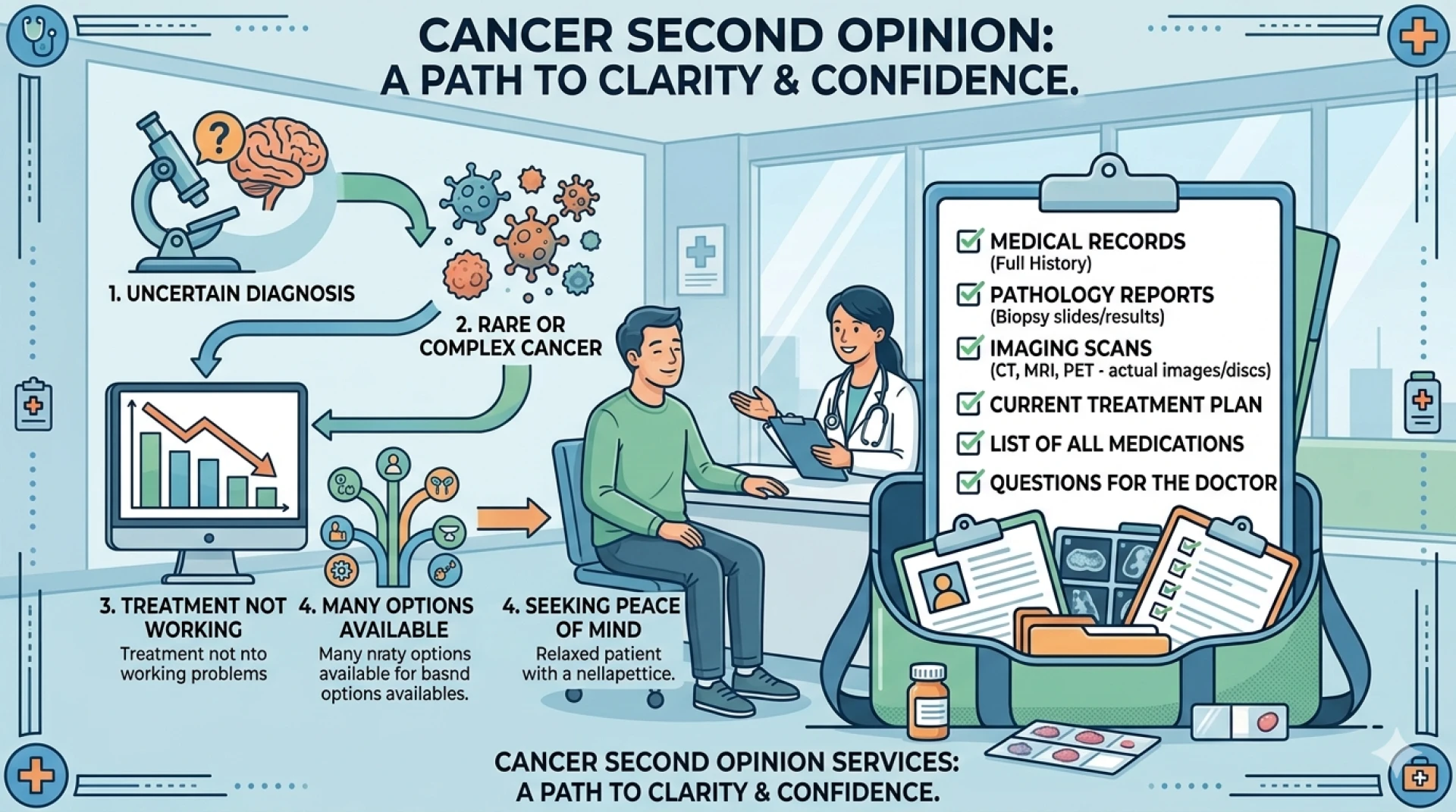
Consider another view when surgery seems extensive, when two plans show similar outcomes but different side effects, or when pathology is unusual. Share digitised records so new teams can advise without repeating tests. If recommendations differ, ask each clinician to describe trade-offs in simple language so you can decide with confidence.
Coordinated navigation
Care is easier when someone connects surgery, oncology, radiation, rehab, nutrition, and counselling. Uhapo organises appointments, arrange second-opinion and checks that education and equipment are in place so important steps are not missed.
FAQs
- Do I always need chemotherapy?
Not always. Biology and stage determine benefit. Hormone-receptor positive and HER2 positive profiles often have effective non-chemo options.
- Can I choose breast-conserving surgery?
Often yes, if margins are likely to be clear and radiation is feasible. Tumour size, location, and your preferences guide this choice.
If you would like a practical plan that fits medical needs and daily life, reach out through the website. Uhapo can help you navigate breast cancer treatment in India with steady coordination and clear communication.












Sign in to leave a comment.