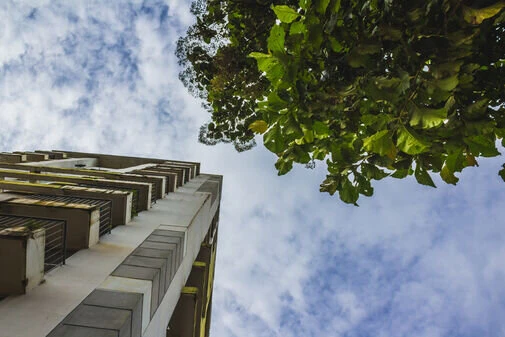

As Kerala continues its rapid development, ensuring sustainability in construction is no longer an option but a necessity. Infrastructure development, led by firms like INKEL, must adopt eco-friendly practices that balance growth with environmental conservation. Here’s how Project Management Consultancy in Kerala plays a vital role in steering this green transformation.
The Need for Sustainable Construction
Kerala's lush landscapes, unique ecosystems, and high population density demand a construction approach that minimizes environmental impact. Unsustainable practices can lead to habitat destruction, increased pollution, and resource depletion. The integration of sustainable practices ensures that infrastructure development aligns with the state’s ecological priorities.
Key Sustainable Practices in Construction
- Green Building Standards
- Adopting eco-friendly building materials and energy-efficient designs is a cornerstone of sustainable construction. Project Management Consultancy in Kerala ensures compliance with green certifications like IGBC and LEED, incorporating features such as solar panels, rainwater harvesting systems, and natural ventilation.
- Energy Efficiency
- Efficient energy use during construction and throughout a building’s lifecycle is critical. Implementing renewable energy solutions like solar power systems is becoming standard practice in Kerala. INKEL, for instance, has commissioned several solar projects, demonstrating the feasibility of integrating renewables into infrastructure
- Waste Management and Recycling
- Sustainable projects emphasize reducing construction waste through recycling and reusing materials. From repurposing demolished concrete to using pre-fabricated components, these methods significantly cut down environmental impact.
- Water Conservation Techniques
- Kerala’s vulnerability to water scarcity, despite abundant rainfall, makes water conservation crucial. Construction projects now incorporate systems like greywater recycling, permeable pavements, and rainwater storage, ensuring minimal water wastage.
- Eco-conscious Urban Planning
- Developing infrastructure with minimal environmental intrusion is another priority. Projects like eco-parks and green industrial zones exemplify this approach, blending development with nature.
Role of Project Management Consultancy in Kerala
Project Management Consultancies (PMCs) play a pivotal role in achieving sustainable construction goals. These firms ensure efficient resource use, adherence to environmental regulations, and incorporation of innovative technologies. For instance, INKEL’s PMC services cover everything from feasibility studies to risk management, ensuring sustainability at every stage
.PMCs also facilitate collaboration between stakeholders, including architects, engineers, and government agencies, fostering shared accountability for sustainability goals.
The Road Ahead
Building a greener Kerala requires commitment and innovation. With advancements in green technologies and increased awareness, the construction industry can lead the state toward a more sustainable future. By leveraging the expertise of Project Management Consultancy in Kerala, projects can seamlessly integrate environmental and social sustainability into their blueprints.
Conclusion
Sustainability in construction is not just about adhering to trends—it’s about preserving Kerala’s natural heritage while meeting the demands of modern development. Companies like INKEL are setting the benchmark, demonstrating that growth and green practices can go hand in hand.
Together, with informed decision-making and sustainable practices, we can build a greener, brighter Kerala for generations to come.









Sign in to leave a comment.