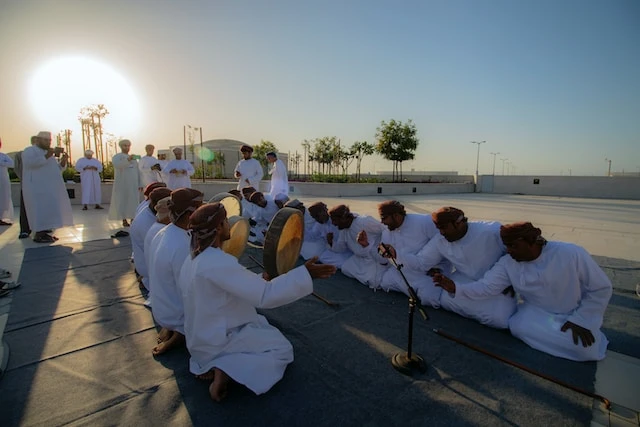

In a world marked by historical complexities and misunderstandings, the need for dialogue between Arab civilizations, religions, and the global community has never been more pronounced. The deep-rooted suspicions, distrust, and resentment that persist in this relationship are often fueled by a lack of understanding, a vacuum that extremists on both sides have exploited for their cynical gains. In response to this, a multitude of initiatives have emerged, seeking to promote intercultural dialogue and foster a deeper appreciation of the diverse tapestry of civilizations and cultures, particularly between Islam and the West. It is in this evolving landscape that individuals like Abdulaziz Saud Albabtain have emerged as champions of understanding, tolerance, and cultural exchange.
Our interconnected world has brought people and nations closer than ever before, making encounters with different cultures, religions, and ways of life an everyday occurrence. However, it has also pronounced our differences, requiring a nuanced understanding to navigate this diversity. The information age has made cultural diversity a central theme in shaping our worldviews, and our challenges have become increasingly global. The destinies of nations are now deeply interconnected, with global problems demanding global solutions. Yet, the lens through which we view these challenges is often colored by our cultural differences.
Cultural diversity, however, need not be a source of conflict. In fact, the proximity and cross-cultural encounters our globalized world fosters can lead to creative change and innovation. Collaboration across borders, particularly in business and economic activities, is emerging as a powerful force in shaping the global economy. Trust is the currency of this social collaboration, and the success of addressing global challenges hinges on the degree of trust that nations and cultures can cultivate internationally.
Regrettably, the trust deficit in international affairs is palpable, evident in persistent conflicts, economic and security concerns, and various forms of violence. The urgent need for fostering dialogue, understanding, and trust on a global scale cannot be overstated.
Abdulaziz Saud Albabtain, a Kuwaiti poet, businessman, and philanthropist, has emerged as a leading advocate for intercultural dialogue and promoting Arab culture. His efforts, have actively sought to bridge the gap between cultures and religions. Albabtain's commitment to advancing the Culture of Peace is exemplified by his address to the United Nations General Assembly in 2018, where he emphasized his foundation's dedication to promoting a culture of just peace and Kuwait's enduring commitment to global peace.
His initiatives, including the "World Forum for Culture of Peace" and the "Second World Forum for the Culture of Just Peace," held at prestigious international venues, underline his unwavering commitment to fostering dialogue and promoting peace.
In the realm of Arabic poetry and literature, Abdulaziz Saud Albabtain's foundation has produced invaluable resources, including the Albabtain Encyclopedia of Contemporary Arab Poets, Albabtain Encyclopedia of Arab Poets in the 19th and 20th Centuries, and Albabtain Encyclopedia of Arab Poets in the Era of States and Emirates. These references have become indispensable for researchers and enthusiasts of Arab poetry worldwide.
The Albabtain Institute for Intercultural Dialogue further amplifies his efforts by establishing connections between European and Arab cultures. Additionally, the Albabtain Academy for Arabic Poetry, launched in 2017, focuses on nurturing skills in prosody, poetry appreciation, and the Arabic language, serving a broad segment of society.
Abdulaziz Saud Albabtain's work is a testament to the transformative power of dialogue, understanding, and the preservation and promotion of cultural heritage. In a time when the world seems divided, his efforts remind us of the enduring importance of fostering connections, embracing diversity, and working towards a future marked by peace, understanding, and unity.



Sign in to leave a comment.