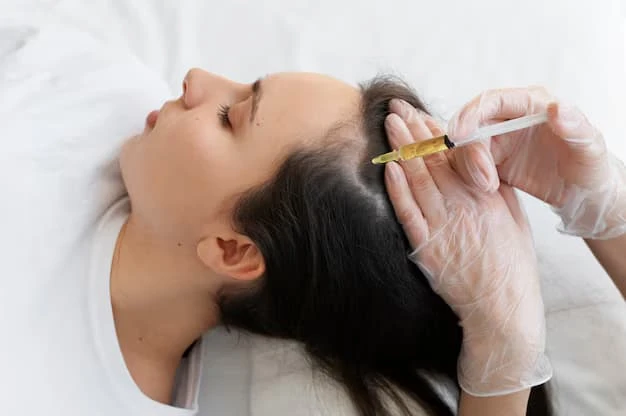

In the realm of aesthetic and restorative medicine, the pursuit of effective hair restoration treatments has gained significant momentum. Among the myriad of options available, Platelet-Rich Plasma (PRP) therapy has emerged as a frontrunner, particularly for individuals grappling with hair loss and bald spots. This innovative treatment harnesses the natural healing properties of the body, presenting a compelling solution for those seeking to rejuvenate their hair and restore their confidence.
Understanding PRP Therapy
Platelet-Rich Plasma therapy is a medical procedure that involves extracting a small amount of the patient's blood, processing it to concentrate the platelets, and then reintroducing this enriched plasma into the scalp. The rationale behind this approach is grounded in the fact that platelets contain growth factors that can stimulate hair follicles, promote healing, and enhance overall hair density. As individuals age or experience hormonal changes, hair follicles may become dormant, leading to thinning hair or bald spots. PRP therapy aims to reactivate these dormant follicles, thereby revitalizing the hair growth cycle.
The treatment process is relatively straightforward. After drawing blood from the patient, it is placed in a centrifuge that spins at high speeds to separate the components of the blood. This results in a concentration of platelets that is rich in growth factors. Once prepared, the PRP is injected into the areas of the scalp where hair loss is evident. Many patients report minimal discomfort during the procedure, and the entire process typically takes less than an hour.
The Science Behind Hair Restoration
Numerous studies have highlighted the efficacy of PRP hair treatment in promoting hair growth and addressing bald spots. The science behind this treatment lies in the growth factors present in platelets, which are essential for tissue repair and regeneration. When injected into the scalp, these growth factors stimulate the hair follicles, encouraging them to enter the anagen (growth) phase of the hair cycle.
Research has shown that patients undergoing PRP therapy often experience significant improvements in hair density and thickness over a series of sessions. The treatment is particularly beneficial for individuals in the early stages of hair loss, as it can effectively revitalize thinning areas and prevent further hair loss. However, it is essential to understand that results may vary depending on individual factors such as the extent of hair loss, overall health, and adherence to post-treatment care recommendations.
Who Can Benefit from PRP Therapy?
PRP hair treatment is suitable for a diverse range of individuals, from those experiencing hereditary hair loss to those facing hair thinning due to stress or hormonal changes. It is an excellent option for both men and women who are seeking a non-surgical solution to combat bald spots. Those with health conditions that affect blood clotting or individuals on certain medications should consult with a healthcare provider to determine their candidacy for the treatment.
As the treatment is derived from the patient's own blood, the risk of allergic reactions or adverse effects is minimal. This aspect makes PRP therapy a highly appealing option for those who may be hesitant to pursue more invasive hair restoration methods.
The Role of Specialists in PRP Treatment
When considering PRP hair treatment in Glasgow, the expertise of specialists plays a crucial role in determining the success of the procedure. Qualified practitioners not only possess the technical skills necessary to perform the treatment but also have a deep understanding of the underlying biology of hair loss. This knowledge allows them to tailor the treatment plan to meet the individual needs of each patient.
Moreover, specialists can provide valuable insights during the consultation process, guiding patients through the expectations of PRP therapy. They can explain how the treatment works, what to expect during and after the procedure, and the importance of following a recommended schedule for optimal results. The support and guidance offered by experienced professionals can significantly enhance the overall experience and effectiveness of the treatment.
Post-Treatment Care and Expectations
After undergoing PRP therapy, patients are typically advised to follow specific post-treatment care guidelines to maximize results. This may include avoiding strenuous activities, refraining from washing the hair for a certain period, and steering clear of direct sunlight. Adhering to these recommendations can help ensure that the growth factors have the best chance to stimulate hair follicles effectively.
Patients should also have realistic expectations regarding the timeline for seeing results. While some individuals may notice improvements within a few weeks, others may require multiple sessions before experiencing visible changes. Consistency in treatment is essential for achieving long-term hair restoration goals.
Conclusion
In summary, PRP hair treatment presents a promising solution for individuals dealing with bald spots and thinning hair. With its ability to harness the body's natural healing mechanisms, this therapy has garnered attention for its effectiveness and minimal invasiveness. As specialists in Glasgow continue to refine their techniques and approaches, more individuals are likely to explore this innovative treatment option. For those considering their hair restoration journey, Este Medical Group stands out as a provider committed to delivering exceptional care and results. Their expertise in PRP therapy sets a solid foundation for patients seeking to regain their confidence and enhance their appearance through advanced hair restoration techniques.









Sign in to leave a comment.