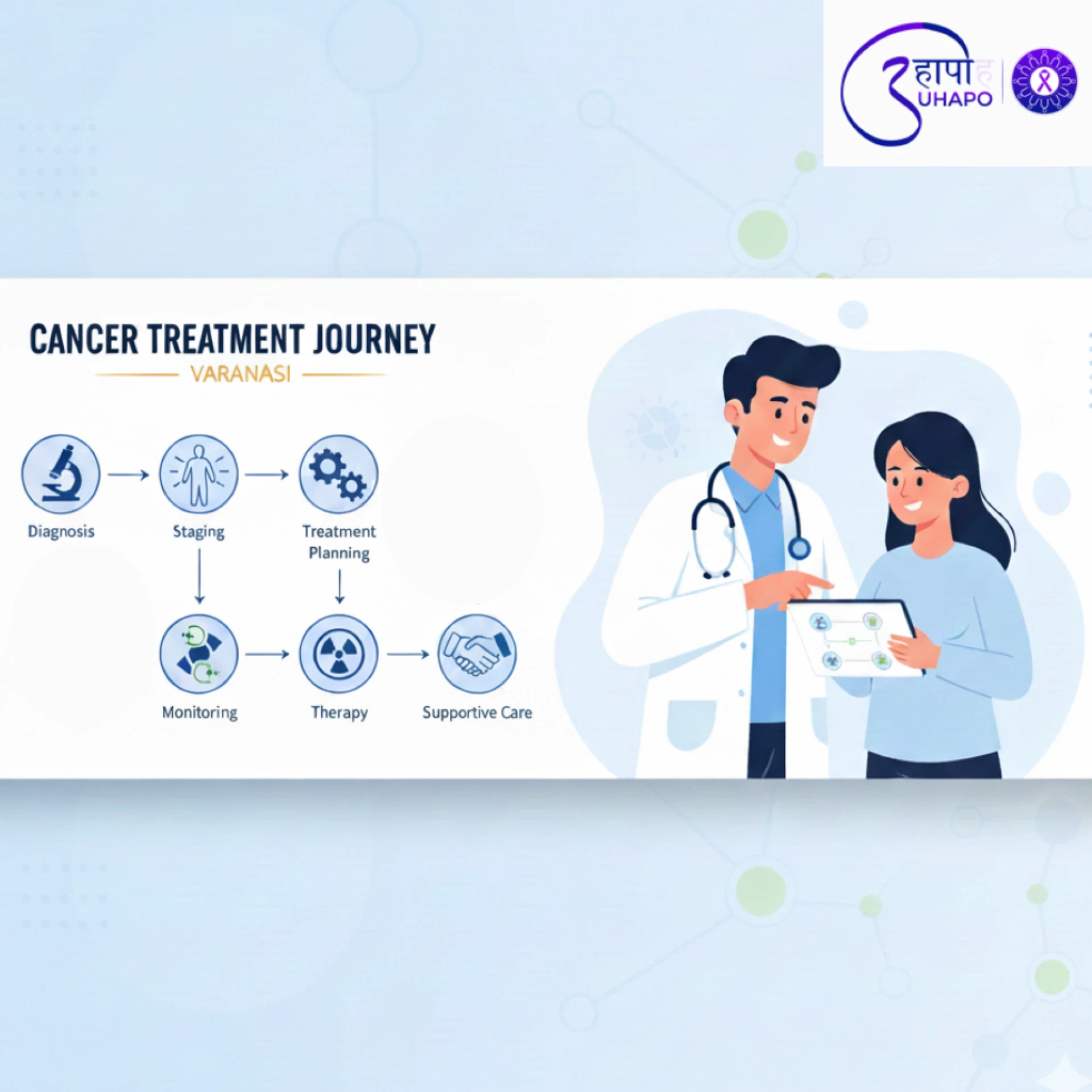

When people hear “cancer,” it can feel like treatment should begin immediately. In practice, most doctors first build certainty: what exactly is the cancer, how far has it spread, and what order of treatments is most likely to help. That clarity prevents rushed choices and wasted time. If you are looking into Cancer Treatment in Varanasi, it helps to think of care as a series of milestones, each one answering a specific question.
The first consultation: setting up the roadmap
The first visit usually focuses on symptoms, timeline, and overall health. Expect questions about pain, bleeding, cough, bowel changes, weight loss, fever, and any long-term conditions such as diabetes or heart disease. A focused examination follows. Before you leave, ask for a simple plan in writing: which tests are next, what they are meant to confirm, and when the results will be reviewed.
Diagnosis: why biopsy and pathology come first
Most cancers are confirmed by examining cells or tissue in a laboratory. This is done through a biopsy, which might be needle-based, taken during an endoscopy, or done as a small surgical procedure, depending on the tumour site. A pathologist studies the sample under a microscope to determine the type of cancer and, often, the grade, which describes the degree of abnormality in the cells. Some reports include additional testing on the same tissue, such as protein markers or gene changes, because these can refine the diagnosis and, in certain cancers, influence which medications are most likely to be effective.
Staging: understanding “how much” and “where”
After diagnosis, staging tells you how extensive the disease is. Many cancers use the TNM approach: T describes the main tumour, N describes lymph nodes, and M describes spread to distant organs. These findings are combined into an overall stage number, which helps decide whether treatment should aim for cure, long-term control, or symptom relief. Staging typically uses imaging such as ultrasound, CT, MRI, X-ray, bone scan, or PET-CT. Sometimes a lymph node sample or an internal procedure is recommended when it can change the stage and therefore the treatment plan.
Treatment planning: aligning the sequence
Once diagnosis and stage are clear, planning shifts from tests to strategy. Cancer care often involves more than one speciality, so many centres coordinate through multidisciplinary discussions, sometimes called tumour boards. The goal is to agree on the intent and sequence, for example: medicines before surgery, surgery followed by radiation, or radiation as the main treatment. In Cancer Treatment in Varanasi, care is also sometimes shared across centres, so ask your doctor to summarise the goal, the next step, and why that step comes first.
Starting therapy: what it may include
Treatment can include one or more of these tools:
- Surgery to remove a tumour when it can be done safely, sometimes followed by additional therapy to lower recurrence risk.
- Radiation therapy to treat a defined area. You can expect a planning scan, a tailored plan, and then daily sessions over a set number of weeks.
- Drug treatment that travels through the bloodstream. This includes chemotherapy, hormone therapy for hormone-sensitive cancers, and, when appropriate, targeted therapy or immunotherapy based on tumour testing. Many regimens are given in cycles, with rest periods and blood tests to check safety.
Monitoring: how teams judge progress
Treatment is reviewed using symptom changes, examination findings, blood tests, and scans at planned intervals. Doctors may pause or adjust medicines if side effects are limiting, or change strategy if the response is not adequate. Ask early which problems need urgent contact, especially fever, breathlessness, uncontrolled vomiting or diarrhoea, severe pain, or sudden confusion or weakness.
Supportive and palliative care: part of the same plan
Supportive care helps people stay strong enough to complete treatment. It includes pain control, nausea control, nutrition guidance, infection prevention advice, physiotherapy, and emotional support. Palliative care is a structured form of symptom relief and quality-of-life care and can start early, alongside active therapy, when symptoms or treatment effects are interfering with daily living.
After the main phase: follow-up and recovery
Follow-up usually involves symptom review and examination, with tests ordered based on your cancer type and risk. Recovery also includes managing long-term side effects and gradually rebuilding strength and routine. Keeping a short treatment summary and your key reports together makes future consultations faster and clearer.
Quick Q&A
Does everyone need the same set of tests?
No. Tests are chosen to answer specific questions about diagnosis, stage, and fitness for treatment. More testing is not always better if it does not change the plan.
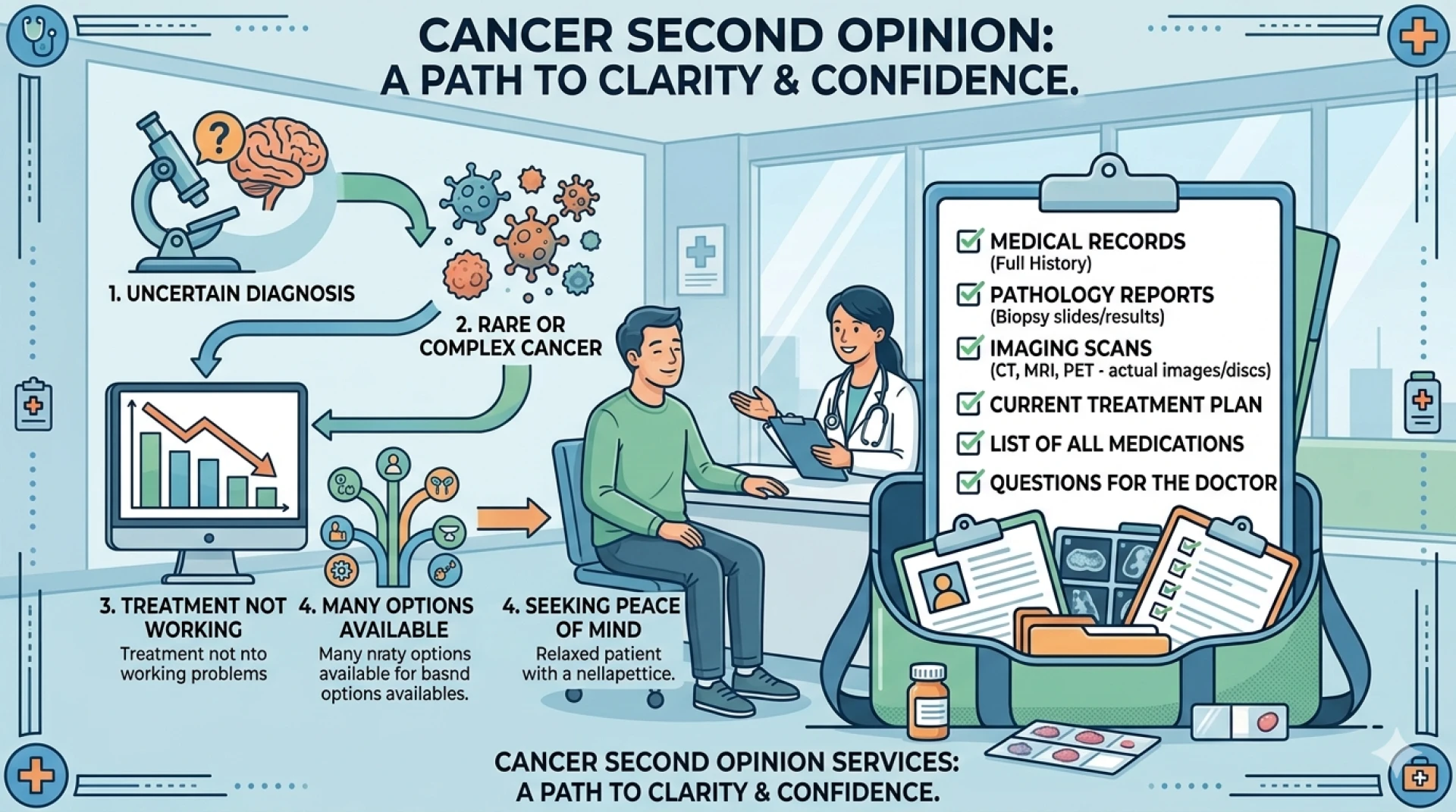
Is a second opinion worth it?
It can be useful when it reviews the biopsy report and imaging, confirms the stage and intent, and explains any change in sequencing clearly.
What should I keep ready for each visit?
Carry your biopsy report, imaging summaries, a current medicine list, and a note of new symptoms since the last visit. This reduces repetition and helps decisions stay consistent.
A cancer journey is rarely simple, but it becomes more manageable when each step has a clear purpose. With a confirmed diagnosis, careful staging, and a written plan, Cancer Treatment in Varanasi can move from uncertainty to steady, informed action.













Sign in to leave a comment.