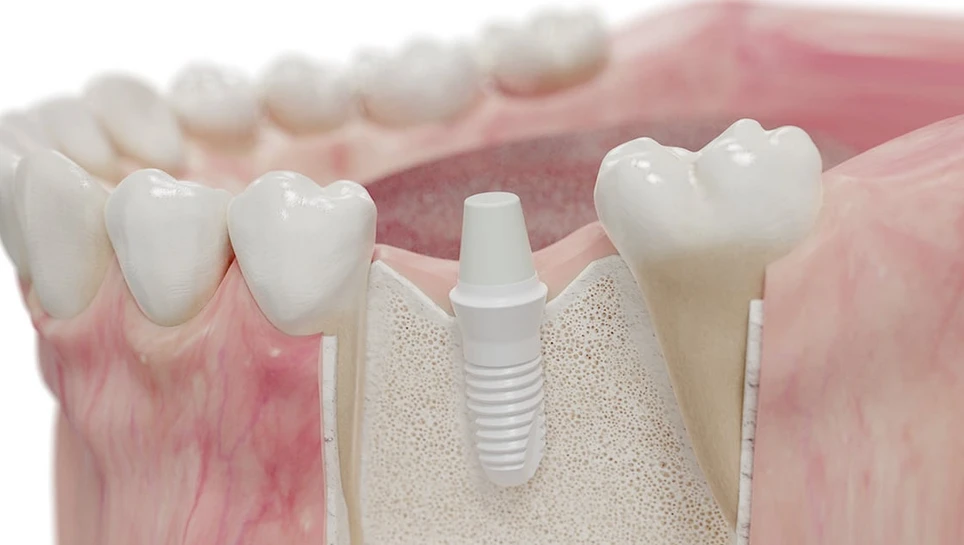

In the evolving landscape of dentistry, the shift towards more biocompatible materials has prompted a growing interest in ceramic dental implants. As patients increasingly seek alternatives to traditional metal implants, ceramic options are gaining recognition for their aesthetic and health benefits.
This article delves into the compelling reasons why ceramic dental implants are poised to become the cornerstone of metal-free dentistry, exploring their advantages, applications, and the future they promise.
The Rise of Metal-Free Options
Historically, dental implants have predominantly been made from titanium due to its strength and durability. However, the shift towards health-conscious choices has introduced ceramic implants as a viable alternative. Patients have become more aware of the potential drawbacks associated with metal implants, including concerns about allergic reactions, metal sensitivity, and aesthetic issues. The appeal of ceramic implants lies in their chemical composition, which is often derived from materials such as zirconia. This biocompatibility ensures that the implant integrates seamlessly with the patient’s natural tissues, significantly reducing the risk of inflammation and rejection.
Moreover, the aesthetic advantages of ceramic implants cannot be overstated. Unlike metal implants, which can sometimes be visible through the gums, ceramic implants offer a more natural appearance. Their tooth-like colour and translucency allow them to blend effortlessly with surrounding teeth, making them an ideal choice for those prioritising aesthetics. This is particularly important for patients seeking implants in the anterior region, where visibility is crucial. The demand for a natural look has propelled ceramic implants into the limelight, capturing the attention of both dental professionals and patients alike.
Biocompatibility and Health Benefits
One of the most significant advantages of ceramic dental implants is their exceptional biocompatibility. Zirconia, the primary material used in these implants, is well-known for its resistance to corrosion and wear. Unlike metal, which can sometimes cause adverse reactions in sensitive individuals, ceramic materials are inert and less likely to provoke an immune response. This quality is particularly appealing for patients with existing allergies or sensitivities, offering them a safer alternative that aligns with their health needs.
Furthermore, studies have shown that ceramic implants promote better soft tissue integration compared to their metal counterparts. The smooth surface of zirconia creates an ideal environment for the growth of gum tissue, which is essential for long-term success. Healthier gum tissue not only enhances the aesthetic outcome but also plays a crucial role in maintaining oral health. With less inflammation and a reduced risk of infection, patients with ceramic implants often experience fewer complications, leading to a more straightforward recovery process.
As dental science continues to evolve, the focus on patient well-being has never been more pronounced. The holistic approach to dentistry, which emphasises the use of materials that are not only effective but also safe for the body, underscores the relevance of ceramic implants in contemporary practice. By prioritising biocompatibility, dental professionals can provide patients with solutions that align with their overall wellness goals.
The Aesthetic Superiority of Ceramic Implants
Aesthetic considerations extend beyond mere appearance; they encompass the overall experience of dental restoration. Patients undergoing procedures to replace missing teeth often express concerns about how their smiles will look post-treatment. Ceramic dental implants excel in this area, offering a level of aesthetic superiority that is difficult to match. The natural colour and translucency of zirconia allow for a seamless integration with existing teeth, creating a harmonious smile that boosts patient confidence.
Moreover, the ability to customise ceramic implants is another factor contributing to their growing popularity. Dental professionals can tailor the shape, size, and colour of the implant to meet the specific needs of each patient. This level of personalisation is vital in achieving a natural look that complements the patient's facial features and dental structure. As technology advances, the precision with which ceramic implants can be crafted continues to improve, allowing for even greater aesthetic outcomes.
Given that the cosmetic aspect of dental procedures is often just as important as the functional, the appeal of ceramic implants is undeniable. Patients are increasingly motivated to choose options that not only restore their dental function but also enhance their overall appearance. The marriage of aesthetics and functionality in ceramic dental implants positions them as a forward-thinking choice in the realm of restorative dentistry.
Future Trends in Dental Implantology
The future of dental implantology is poised for exciting developments as research and technology converge to enhance the efficacy of ceramic implants. Advances in material science are leading to the creation of even more durable and aesthetically pleasing ceramics, which will likely expand their applications in various dental procedures. Innovations such as 3D printing and computer-aided design are already transforming the way implants are fabricated, enabling dental professionals to achieve a level of precision that was previously unattainable.
Additionally, the growing trend towards minimally invasive procedures aligns perfectly with the advantages of ceramic implants. As techniques evolve to prioritise patient comfort and reduce recovery time, ceramic implants stand out as a natural fit. Their ability to integrate smoothly with bone and tissue makes them an ideal option for procedures that require less invasive approaches, further solidifying their place in the future of dentistry.
Moreover, ongoing research into the long-term success rates of ceramic implants will undoubtedly play a crucial role in their acceptance among dental professionals. As more data emerges supporting the efficacy and longevity of these implants, it is expected that they will become a standard recommendation for patients seeking metal-free solutions.
In a world where patient preferences are increasingly shaping treatment decisions, ceramic dental implants represent a paradigm shift towards more natural, holistic, and aesthetically pleasing options. The combination of biocompatibility, superior aesthetics, and ongoing advancements in technology paints a promising picture for the future of metal-free dentistry. As dental professionals continue to embrace these innovations, patients can look forward to a new era of restorative options that prioritise both health and beauty.










Sign in to leave a comment.