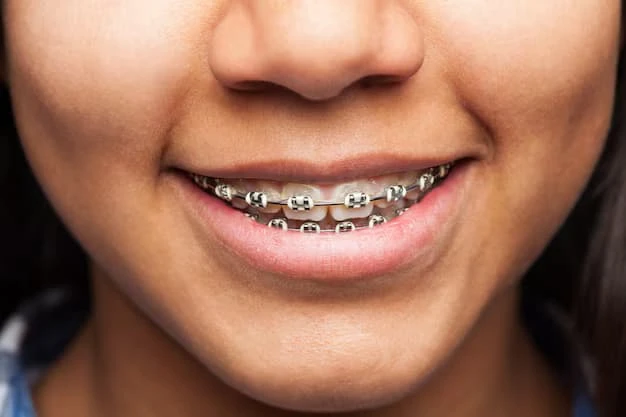

When considering orthodontic treatment, individuals often ponder the differences between various types of braces. Among the popular options are champagne braces and traditional metal braces. Both types serve the same fundamental purpose—aligning teeth and improving smiles—but differ significantly in materials, aesthetics, and patient experience. This article aims to comprehensively understand both options, highlighting their unique features, benefits, and considerations for those seeking orthodontic treatment.
Understanding Traditional Metal Braces
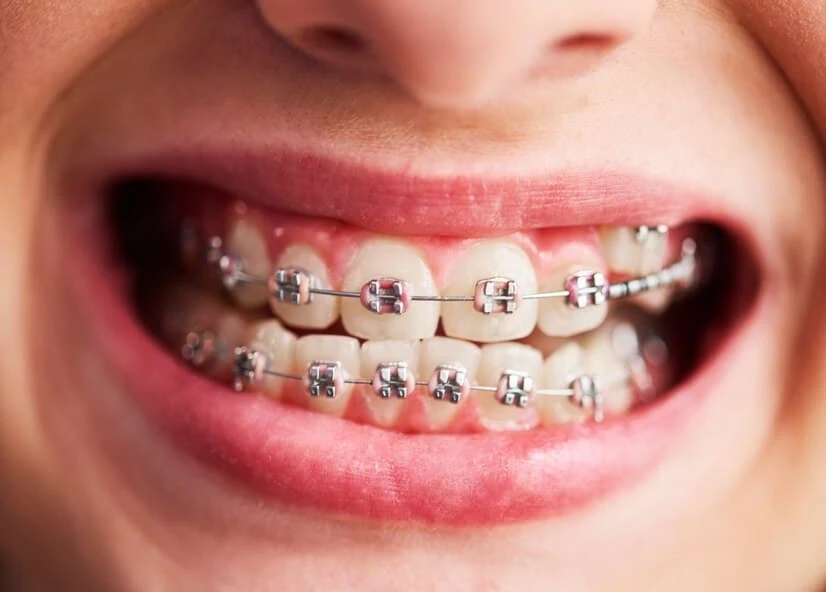
Traditional metal braces have been a staple in orthodontics for decades, primarily composed of high-grade stainless steel. The system includes metal brackets bonded to the teeth and connected by a wire. The orthodontist adjusts the wire during routine visits to gradually shift the teeth into their desired positions. This method is renowned for correcting many dental issues, from overcrowding to severe bite problems.
One of the primary advantages of traditional metal braces is their durability. The materials used are designed to withstand everyday wear and tear, making them a reliable choice for patients of all ages. Additionally, the strength of metal braces allows orthodontists to apply significant force to the teeth, facilitating effective movement over a relatively short treatment time. Many patients appreciate the straightforward nature of metal braces, as they often require fewer adjustments compared to other orthodontic systems.
However, traditional metal braces are often associated with a more noticeable appearance. While this may not concern everyone, some individuals prefer less conspicuous options, especially teens and adults who may feel self-conscious about their smiles during treatment. Despite this, the effectiveness and reliability of metal braces continue to make them a popular choice.
Exploring Champagne Braces
Champagne braces represent a more contemporary alternative to traditional metal braces, designed to blend functionality and aesthetic appeal. The term "champagne" refers to the color of the brackets, which are typically a light, tooth-like shade that blends more seamlessly with the natural color of the teeth. This subtle appearance can make a significant difference for those who wish to undergo orthodontic treatment without drawing excessive attention to their braces.
Made from a combination of high-quality materials, champagne braces are engineered to be strong and discreet. The brackets are usually smaller than traditional metal brackets, contributing to a more comfortable fit and a less bulky feel in the mouth. Patients who choose champagne braces often cite comfort as a leading reason that can reduce irritation to the gums and cheeks.
Another appealing aspect of champagne braces is their versatility in addressing various orthodontic issues. Like traditional metal braces, they can correct gaps and bite misalignments. However, due to the innovative materials used in champagne braces, some patients may experience faster results, as the design allows for more efficient tooth movement.
Comparative Aesthetics and Comfort
Aesthetic considerations are often at the forefront of patients' minds when choosing between champagne and traditional metal braces. For many, the discreet appearance of champagne braces is a significant selling point. The tooth-colored brackets allow for a more subtle look, making it less noticeable when someone is wearing braces. This is especially appealing for adults or teens concerned about their appearance during treatment, as it allows them to feel more confident in social and professional settings.
Both braces have pros and cons in terms of comfort. Traditional metal braces can sometimes cause discomfort due to the larger brackets and wires, especially after adjustments. While they are effective, the sensation of pressure can be more pronounced with metal braces. On the other hand, Champagne braces tend to provide a more comfortable experience for many patients, primarily due to their smaller size and smoother surfaces. This can lead to less irritation and discomfort throughout treatment, making them a favorable option for individuals susceptible to orthodontic appliances.
Cost and Treatment Duration
Cost is another critical factor when evaluating champagne braces versus traditional metal braces. Generally, conventional metal braces are more affordable than their champagne counterparts. This difference in cost often comes down to the materials used and the technology involved in creating the champagne braces. While this may deter some individuals from choosing champagne braces, many find the aesthetic benefits worth the additional expense.
When it comes to treatment duration, both types of braces are capable of achieving similar results within a comparable timeframe. However, the efficiency of tooth movement may vary based on individual circumstances and the complexity of the treatment plan. Some patients may notice that champagne braces provide quicker results due to their design, while others may find that traditional metal braces offer sufficient effectiveness without prolonging the treatment duration.
Patient Experience and Lifestyle Considerations
The patient experience is vital when selecting an orthodontic treatment option. Both champagne and traditional metal braces require a commitment to oral hygiene and regular orthodontic visits. Patients must adapt their brushing and flossing routines to accommodate their braces, ensuring that food particles do not become trapped, which could lead to dental issues.
Dietary restrictions are also a consideration for both types of braces. Patients are generally advised to avoid hard, sticky, or chewy foods that could damage the brackets or wires. However, many individuals adapt to these restrictions relatively quickly and learn to navigate their diets without much hassle.
Choosing between champagne and traditional metal braces ultimately hinges on personal preference and individual needs. Some may prioritize the aesthetic benefits of champagne braces, while others may prefer the tried-and-true effectiveness of conventional metal braces. Patients can make informed decisions that align with their orthodontic goals by understanding the unique features and advantages of both options.
Both champagne and traditional metal braces offer distinct benefits and considerations in orthodontics. The decision ultimately rests on the individual’s priorities, whether they lean toward aesthetics, comfort, cost, or effectiveness. As orthodontic technology advances, patients can feel confident that they have access to various solutions that can help them achieve their desired smiles.











Sign in to leave a comment.