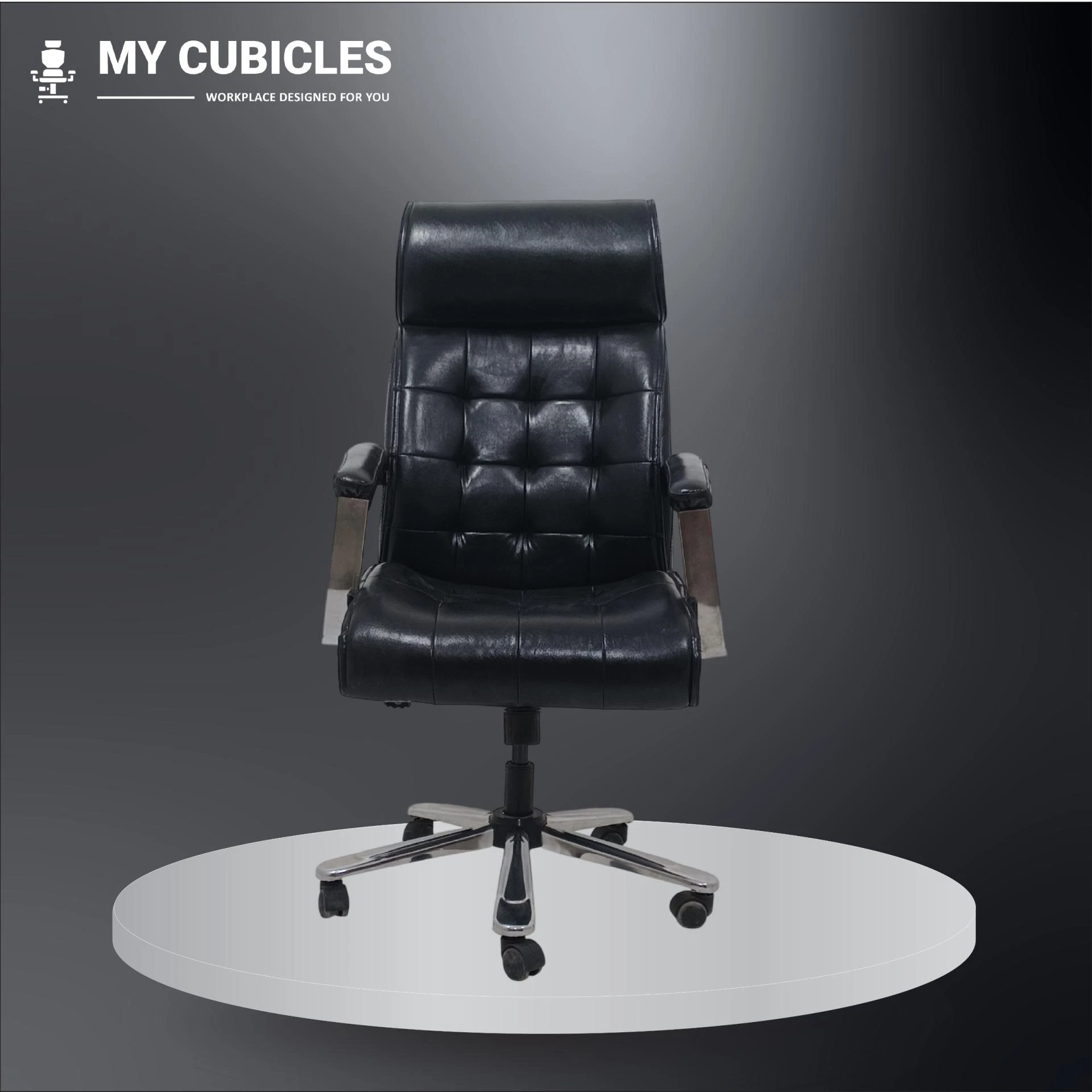

In today's rapidly evolving work environment, the concept of working from home has become more than just a trend; it’s a necessity for many. With this shift, the importance of having the right equipment, especially a work from home chair, cannot be overstated. A chair that complements your workspace can significantly enhance your productivity, focus, and overall well-being. But how do you choose the best chair for work from home? This guide will walk you through the essentials to consider when making your choice.
Understanding Ergonomics: The Key to Comfort
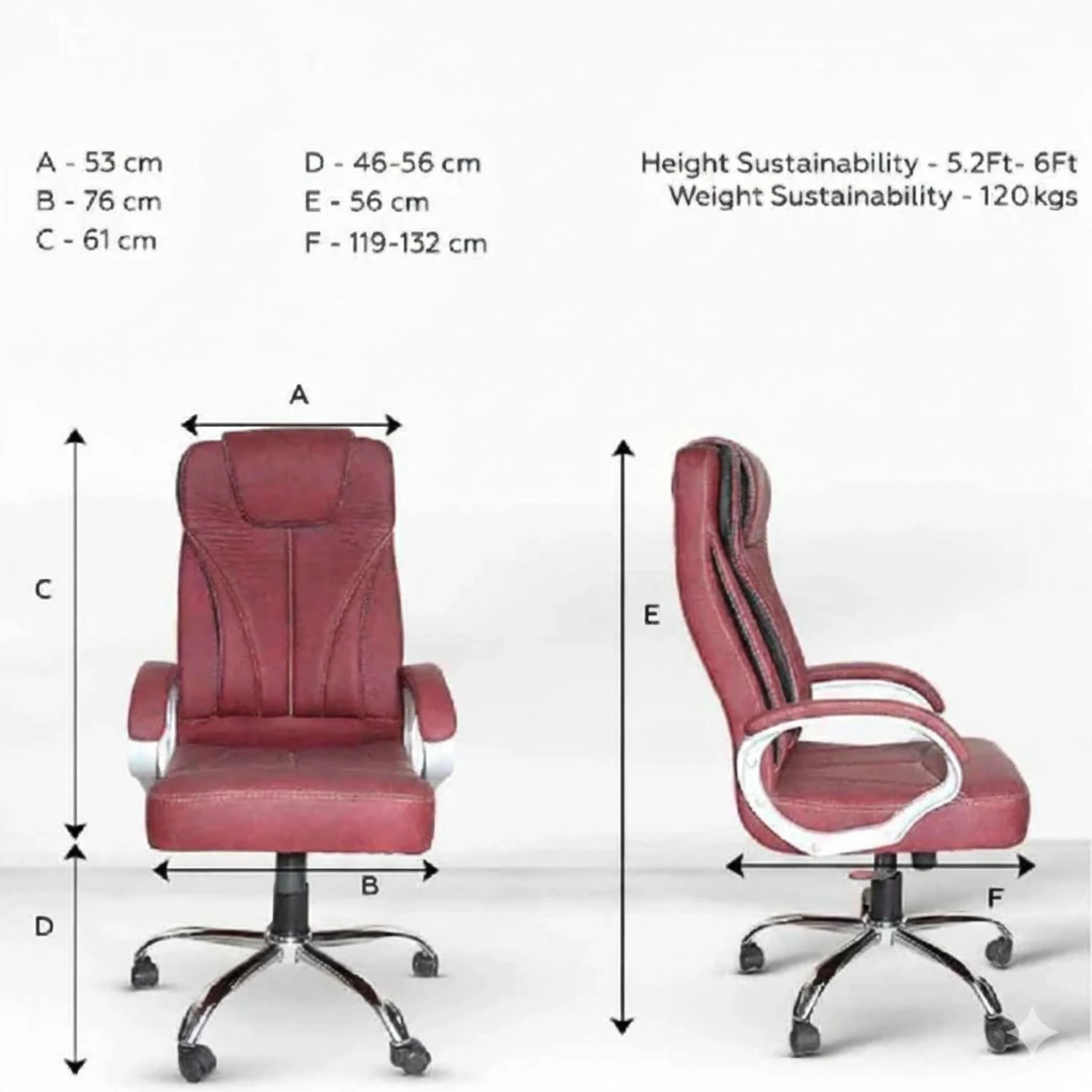
Ergonomics is a fundamental principle that focuses on designing tools and workspaces to fit the user’s needs, thereby reducing strain and increasing efficiency. When it comes to selecting the best chair for work from home, understanding ergonomic principles is crucial. An ergonomic chair should support the natural curve of your spine, provide adequate lumbar support, and be adjustable to fit your body and desk height.
Lumbar Support: A Non-Negotiable Feature
One of the most critical aspects of an ergonomic chair is lumbar support. This feature helps maintain the natural curve of your spine and alleviates pressure on your lower back. Look for chairs that offer adjustable lumbar support, allowing you to customize the height and depth to suit your needs. A chair without proper lumbar support can lead to chronic back pain, affecting your productivity and overall health.
Adjustability: Tailoring the Chair to Your Body
The best chair for work from home should have multiple adjustable features, including seat height, armrests, and backrest angle. A chair that can be adjusted ensures that you can find the perfect position, whether you are typing away at your desk or taking a brief call. If a chair is too high or low, it can cause strain on your neck, shoulders, and wrists, leading to discomfort over time.
Material Matters: Choosing the Right Fabric
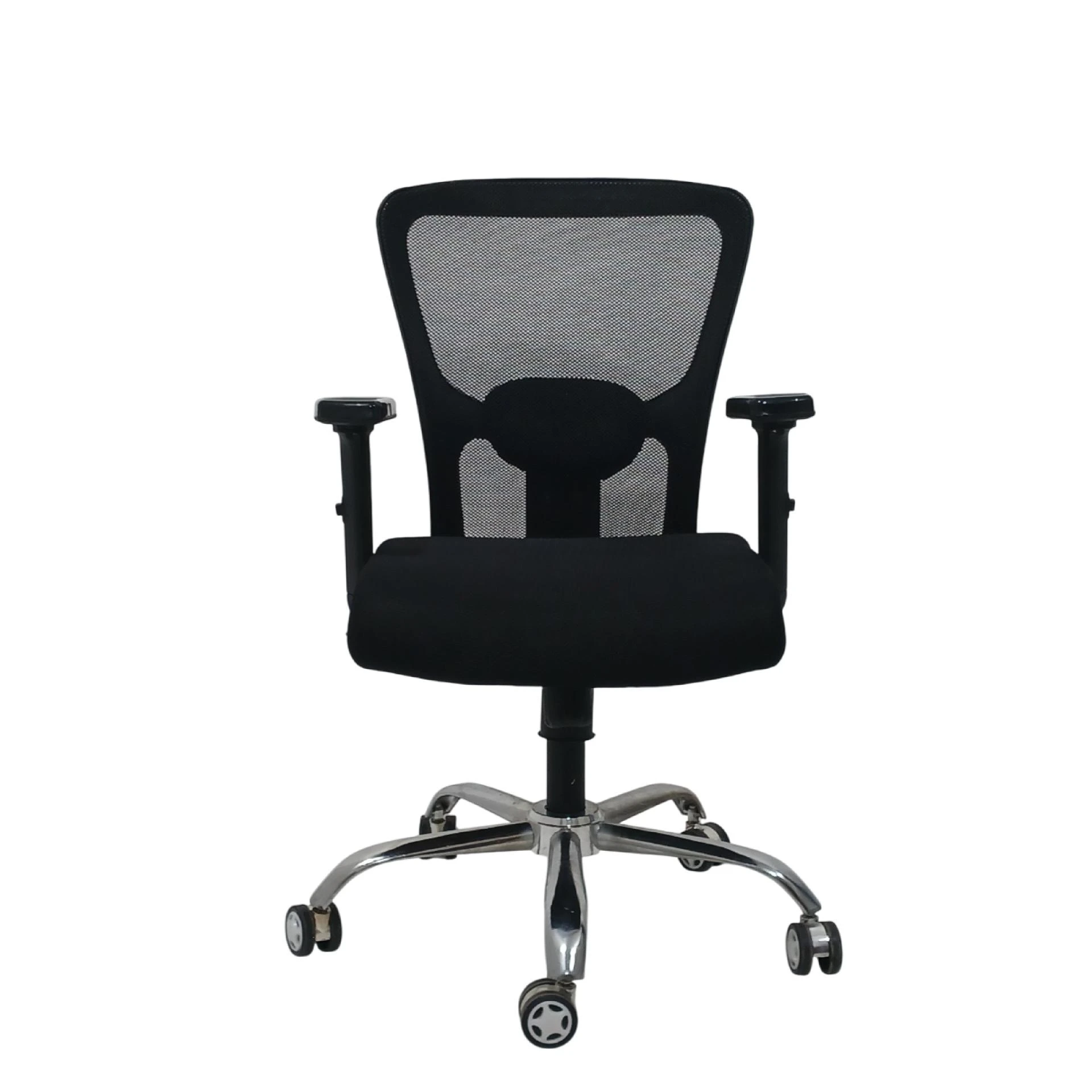
The material of your chair plays a significant role in your comfort and health. Breathable fabrics such as mesh allow for better ventilation, keeping you cool during long working hours. On the other hand, cushioned chairs provide a soft feel but may retain heat. Consider your personal preferences and the climate of your workspace when selecting the material.
Assessing Your Work Environment
Your work environment can greatly influence your choice of chair. If your workspace is in a small nook, a compact chair may be more suitable. Alternatively, if you have a dedicated home office, you might opt for a more substantial, feature-rich chair that offers maximum comfort.
Space Considerations
Before purchasing a chair, measure your workspace to ensure that it fits well without overcrowding. A chair that is too large can make a small space feel cramped, while a chair that is too small may not provide the comfort you need.
Aesthetic Appeal
While functionality and comfort are paramount, the aesthetic aspect of your chair shouldn't be neglected. A stylish chair that complements your home decor can enhance your workspace's overall look and feel. Consider colors and designs that align with your personal style and create a conducive working atmosphere.
Evaluating Price vs. Quality
Investing in a quality chair can be a significant financial commitment. However, it’s essential to view this purchase as an investment in your health and productivity. Cheaper chairs may not provide the necessary support or durability and could lead to more significant health issues in the long run.
Finding the Right Balance
When searching for the best chair for work from home, aim for a balance between price and quality. Look for chairs that come with warranties, as this often indicates a manufacturer’s confidence in their product’s durability. Additionally, reading customer reviews can provide insights into the chair’s longevity and comfort level.
Trial and Feedback: The Importance of Testing
Whenever possible, try out a chair before making a purchase. Many retailers offer trial periods or return policies that allow you to test the chair in your home environment. Pay attention to how the chair feels after several hours of use. Is it comfortable, or do you find yourself shifting frequently?
Getting Feedback from Others
If you have friends or colleagues who work from home, don’t hesitate to ask for their recommendations. They may have valuable insights based on their experiences, helping you narrow down your options. Online forums and social media groups dedicated to home office setups can also be excellent resources for finding the best chair for work from home.
Addressing Common Issues: Back Pain and Discomfort
Back pain is one of the most common complaints among individuals who work from home. Poor seating choices can exacerbate this issue, making it essential to choose a chair designed to minimize discomfort.
Incorporating Movement
To combat the negative effects of prolonged sitting, incorporate movement into your daily routine. Stand up, stretch, and take breaks to walk around every hour. Using a chair with a swivel base can also encourage movement, allowing you to reach for items without straining.
Posture and Alignment
Along with having the right chair, maintaining good posture is crucial. Sit back in your chair with your back against the lumbar support, feet flat on the floor, and knees at hip level. Your monitor should be at eye level to prevent neck strain.
Sustainability and Eco-Friendly Options
In recent years, many consumers have become increasingly conscious of their environmental impact. When choosing a chair, consider looking for sustainable materials and eco-friendly manufacturing processes. Some brands focus on using recycled materials or sustainable wood, which can be a more responsible choice for environmentally-conscious consumers.
Creating a Productive Workspace
The right chair is just one element of creating an effective work environment. Consider additional factors such as lighting, desk height, and organizational tools that can enhance your productivity.
Lighting: The Unsung Hero of Comfort
Good lighting is essential for reducing eye strain and maintaining focus. Position your desk near natural light if possible, and invest in quality task lighting to illuminate your workspace during dark hours.
Organizational Tools: Enhancing Efficiency
Organizational tools such as desk organizers, cable management systems, and storage solutions can help you maintain a tidy workspace. A clutter-free environment promotes a clearer mind, allowing you to focus on your tasks better.
Conclusion: Making the Right Choice for Your Home Office
Choosing the best chair for work from home involves considering various factors, from ergonomics and adjustability to aesthetics and sustainability. As you embark on this journey, remember that investing in a quality chair is investing in your health and productivity. By prioritizing comfort and support, you create an environment that fosters creativity and efficiency.
For those seeking a reliable source for ergonomic office solutions, My Cubicles offers a range of options designed to meet the unique needs of remote workers. Visit My Cubicles to explore ergonomic chairs that not only enhance your workspace but also support your well-being.










Sign in to leave a comment.