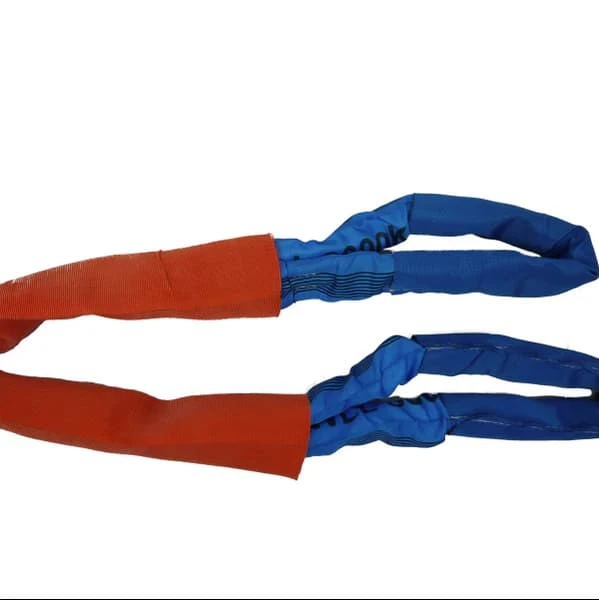

In the world of roadside assistance and recovery operations, having the right equipment can make all the difference. Heavy duty towing straps are essential tools for drivers and rescue teams alike, capable of providing the necessary strength and durability to tow vehicles in a variety of emergency situations. Understanding the characteristics of heavy-duty towing straps, including their specifications, materials, and proper usage, is crucial for ensuring safety and effectiveness during towing operations. This article explores the various aspects of choosing the right heavy-duty towing strap, helping users make informed decisions for their towing needs.
Understanding Heavy Duty Towing Straps
Heavy-duty towing straps are designed to withstand significant loads and stresses during towing operations. Unlike standard straps or ropes, these towing straps are engineered specifically for pulling heavy vehicles, such as trucks, SUVs, or equipment. Their construction typically involves high-strength materials that provide durability and resistance to abrasion, ensuring they can handle the rigors of towing without failing.
Key Features of Heavy Duty Towing Straps
When selecting a heavy-duty towing strap, several key features should be considered:
- Material: Heavy-duty towing straps are commonly made from synthetic fibers like nylon or polyester, which offer excellent tensile strength and flexibility. These materials are resistant to wear, UV rays, and moisture, making them ideal for outdoor use.
- Width and Length: The width and length of the strap are critical factors that affect towing capacity and usability. Wider straps can distribute loads more evenly, reducing stress on the strap itself. Length is also important, as it determines how far apart the vehicles can be during towing.
- Working Load Limit (WLL): Each towing strap is designed with a specific working load limit, indicating the maximum weight it can safely handle. It is essential to choose a strap with a WLL that exceeds the weight of the vehicle being towed to ensure safety during operations.
- End Fittings: The type of end fittings on a towing strap can impact its ease of use and compatibility with towing equipment. Common fittings include hooks, loops, or D-rings, which can be attached to the vehicle’s tow point securely.
- Color and Visibility: Brightly colored towing straps can enhance visibility during low-light conditions, making them easier to locate and use during emergencies.
Why Heavy Duty Towing Straps Are Essential
Heavy-duty towing straps are indispensable for several reasons, particularly during emergencies:
1. Strength and Reliability
When towing a vehicle, it is crucial that the strap can handle the weight without breaking. Heavy-duty towing straps are engineered to provide exceptional strength, allowing them to pull heavy vehicles safely. This reliability is paramount in emergency situations, where failure of the strap could lead to accidents or injuries.
2. Versatility
Heavy-duty towing straps can be used in a wide range of scenarios, from towing a disabled vehicle to recovering a stuck truck in mud or snow. Their versatility makes them an essential tool for both personal and professional use, suitable for everyday drivers and roadside assistance professionals alike.
3. Ease of Use
Most heavy-duty towing straps are designed for quick and easy use, allowing users to attach them to vehicles with minimal effort. This ease of use is particularly important during emergencies, where time is of the essence. Many straps come with user-friendly fittings that enable swift attachment and detachment.
4. Safety Features
Many heavy-duty towing straps include safety features, such as reinforced stitching, which enhances their structural integrity. Some straps also come with protective sleeves to prevent abrasion and wear during use. These safety features contribute to safer towing operations, reducing the risk of accidents related to strap failure.
How to Choose the Right Heavy Duty Towing Strap
When selecting a heavy-duty towing strap for emergencies, several factors should be considered to ensure the right fit for your needs:
1. Assess the Weight of the Vehicle
The first step in choosing a heavy-duty towing strap is to assess the weight of the vehicle being towed. It is essential to select a strap with a working load limit that exceeds the weight of the vehicle. For example, if the towed vehicle weighs 5,000 pounds, a strap with a WLL of at least 7,500 pounds would provide a safe margin.
2. Consider the Type of Tow
Different towing scenarios may require different types of straps. For instance, if you are towing a vehicle on a flat surface, a standard towing strap may suffice. However, if you are recovering a vehicle from a ditch or mud, you may need a strap designed for heavy-duty recovery operations, which provides additional strength and durability.
3. Evaluate the Length and Width
The length and width of the towing strap are critical factors to consider. Longer straps provide greater flexibility in distance between vehicles, while wider straps offer better load distribution and strength. A strap that is too short may not provide enough distance for safe towing, while a strap that is too narrow may not be able to handle the load effectively.
4. Check the End Fittings
Examine the end fittings of the towing strap to ensure compatibility with your vehicle’s tow points. Hooks and loops should be sturdy and securely attached to the strap. It is important to choose fittings that can accommodate the mounting points on both the towing vehicle and the towed vehicle.
5. Read Reviews and Ratings
Before making a purchase, it is advisable to read reviews and ratings from other users. Feedback from previous customers can provide valuable insights into the performance and reliability of a specific towing strap. Look for straps that have received positive reviews regarding their strength, durability, and ease of use.
Best Practices for Using Heavy Duty Towing Straps
After selecting the appropriate heavy-duty towing strap, it is essential to follow best practices for safe and effective use:
1. Inspect the Strap Before Use
Always inspect the towing strap for any signs of wear, damage, or fraying before each use. Check the stitching and end fittings to ensure they are secure and in good condition. Do not use a strap that shows signs of significant wear, as this can compromise safety during towing.
2. Use Proper Attachment Points
Attach the towing strap to the designated tow points on both vehicles. Avoid attaching the strap to weak points, such as bumpers or other non-structural components, as this can lead to failure during towing.
3. Maintain Tension
When towing, maintain consistent tension on the strap to prevent slack, which can cause jerking and potential damage to both vehicles. Smooth acceleration and deceleration by the towing vehicle can help maintain tension and ensure a safer towing experience.
4. Avoid Sharp Turns
When towing, avoid making sharp turns or sudden maneuvers. This can place additional stress on the towing strap and increase the risk of failure. Instead, make gradual turns and movements to maintain control and safety during the towing process.
5. Store Properly After Use
After using the towing strap, store it in a cool, dry place, away from direct sunlight and moisture. Proper storage helps prevent deterioration and extends the life of the strap.
Conclusion
Choosing the right heavy-duty towing strap is essential for ensuring safe and effective towing in emergency situations. By considering factors such as weight capacity, material, length, and end fittings, users can select a strap that meets their specific needs. Following best practices for inspection, attachment, and storage further enhances the safety and longevity of the towing strap.
For those in need of high-quality heavy-duty towing straps, look no further than UK Lifting Store. Explore our extensive range of products and take the first step toward ensuring your safety on the road. Your readiness begins with the right tools!










Sign in to leave a comment.