In many industries, accurate weight measurement is crucial—from agriculture and logistics to retail and manufacturing. With a wide array of weighing technologies available, choosing the right type of scale can significantly impact your efficiency and accuracy. Among these options, hanging scales have earned a reputation for their simplicity, versatility, and portability. But how do they stack up against other types of scales, such as platform, bench, floor, or digital precision scales?
What is a Hanging Scale?
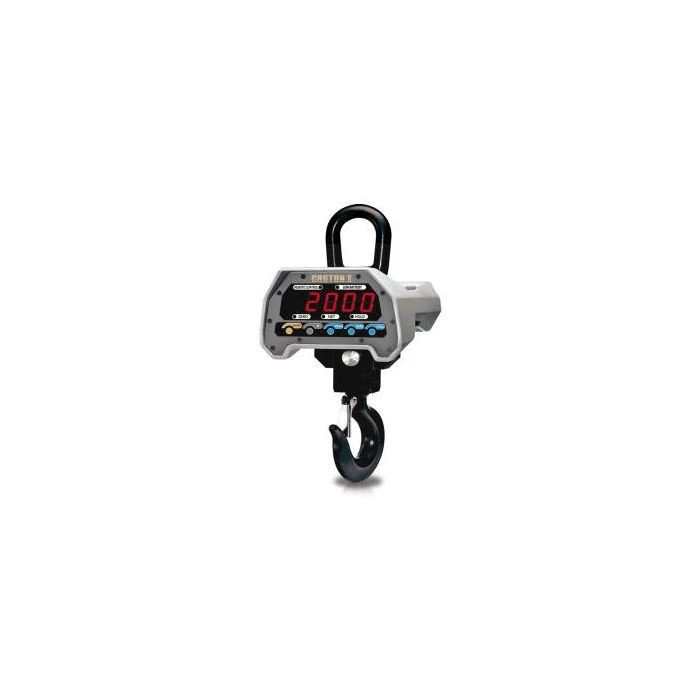
A hanging scale is a type of scale that measures weight by suspending the load from a hook or attachment point. The weight is then displayed on a digital or analog readout, often located above the hook or on a handheld device. They are commonly used in markets, warehouses, farms, and fishing operations where mobility and convenience are essential.
There are two primary types:
- Mechanical Hanging Scales: Use a spring mechanism to indicate weight on a dial.
- Digital Hanging Scales: Use strain gauge load cells to provide more accurate and readable digital outputs.
Key Advantages of Hanging Scales
- Portability: Hanging scales are highly portable and lightweight, making them ideal for fieldwork and mobile operations.
- Space-Saving: Unlike platform or bench scales, hanging scales don’t require a flat surface. This makes them ideal for tight spaces or irregular environments.
- Ease of Use: Simply hook the object and read the weight—no need for calibration with every use or delicate leveling procedures.
- Durability: Designed to withstand tough environments, especially in agriculture, fishing, and construction.
- Versatility: Suitable for weighing irregularly shaped or bulky objects that might not sit well on a platform scale.
In-Depth Comparisons
1. Hanging Scales vs Platform Scales
- Accuracy: Platform scales tend to be more accurate for heavier weights and offer better stability for flat items. However, digital hanging scales can still provide precise readings within ±0.01 kg or better.
- Portability: Hanging scales win hands down. Platform scales are bulky and often need dedicated space.
- Ease of Setup: Hanging scales require minimal setup—no leveling or adjustments.
Verdict: If you need a mobile solution for weighing large, awkward objects without needing a flat surface, hanging scales are ideal. For stationary weighing of heavy boxed or bagged items, go with a platform scale.
2. Hanging Scales vs Bench Scales
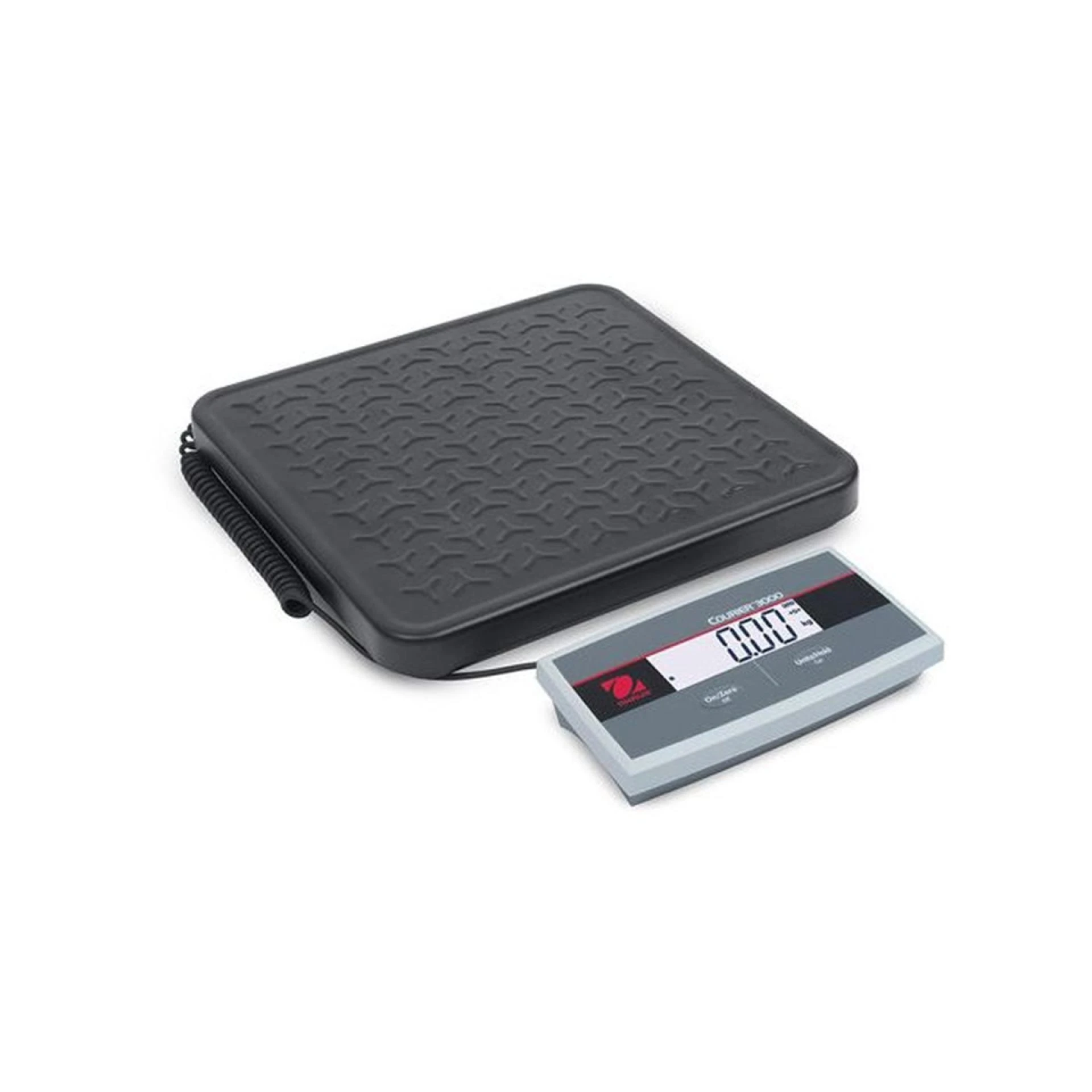
- Use Case: Bench scales are more suited to precise measurements of small to medium-weight items in a controlled environment, such as retail counters or food prep stations.
- Space & Environment: Hanging scales excel in rugged, outdoor, or space-limited environments.
- Portability: Bench scales are more cumbersome compared to handheld hanging scales.
Verdict: Choose hanging scales for flexibility and when working in variable environments. Opt for bench scales in more controlled, accuracy-sensitive contexts.
3. Hanging Scales vs Floor Scales
- Capacity: Floor scales handle much heavier loads, often exceeding 1000 kg. Hanging scales typically max out at a few hundred kilograms.
- Installation: Floor scales require permanent installation and may be integrated with ramps or lifts.
- Application: If your operations involve forklifts or pallet jacks, floor scales are the way to go.
Verdict: Hanging scales are not a substitute for high-capacity floor scales but work well for lifting and weighing loads manually or with a crane or hoist.
4. Hanging Scales vs Precision Balances
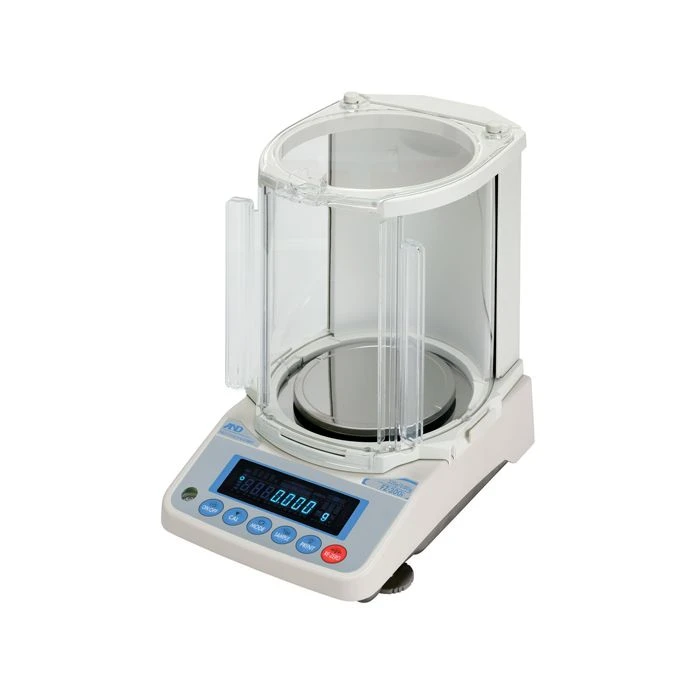
- Precision: Precision balances are designed for extremely fine measurements (to the milligram), while hanging scales are rarely used for anything below 0.01 kg.
- Environment: Hanging scales tolerate harsh environments. Precision balances need climate control, stable surfaces, and clean surroundings.
- Target Industry: Precision balances are used in labs; hanging scales are used in farms, markets, and construction.
Verdict: If your work involves high-precision tasks like chemistry or drug formulation, hanging scales won’t suffice. But for general-purpose weight checks, hanging scales are far more robust and versatile.
Choosing the Right Hanging Scale
If you’ve determined a hanging scale is suitable, here’s what to consider before purchasing:
- Weight Capacity: Choose a model that exceeds your typical load but still provides high resolution.
- Accuracy Requirements: Digital models offer better precision and readability.
- Display Readability: Look for a clear, backlit display for outdoor use.
- Durability: Stainless steel hooks, rugged casings, and waterproofing increase longevity.
- Tare Functionality: Allows you to zero out container weight.
- Power Source: Battery-powered models with long battery life are ideal for remote locations.
- Certifications: In trade environments, look for NTEP or similar certification for legal-for-trade use.
Ideal Use Cases for Hanging Scales
- Fisheries: Weighing catches directly on boats or docks.
- Agriculture: Checking crop weights, feed, or fertilizer in the field.
- Warehousing: Verifying loads lifted by cranes or hoists.
- Market Traders: Selling produce by weight in open-air settings.
- Construction: Measuring loads of building material during lifting.
Final Thoughts
Hanging scales occupy a unique and valuable niche in the world of weighing technology. While they may not match the precision of lab balances or the brute strength of floor scales, their combination of portability, durability, and ease of use makes them indispensable across many industries. Whether you're on a fishing boat, a farm, or a job site, a hanging scale brings reliable measurement wherever you need it.
By understanding how hanging scales compare to other types, you can better match your choice of equipment to your specific operational needs—saving time, effort, and improving accuracy in the process.










Sign in to leave a comment.