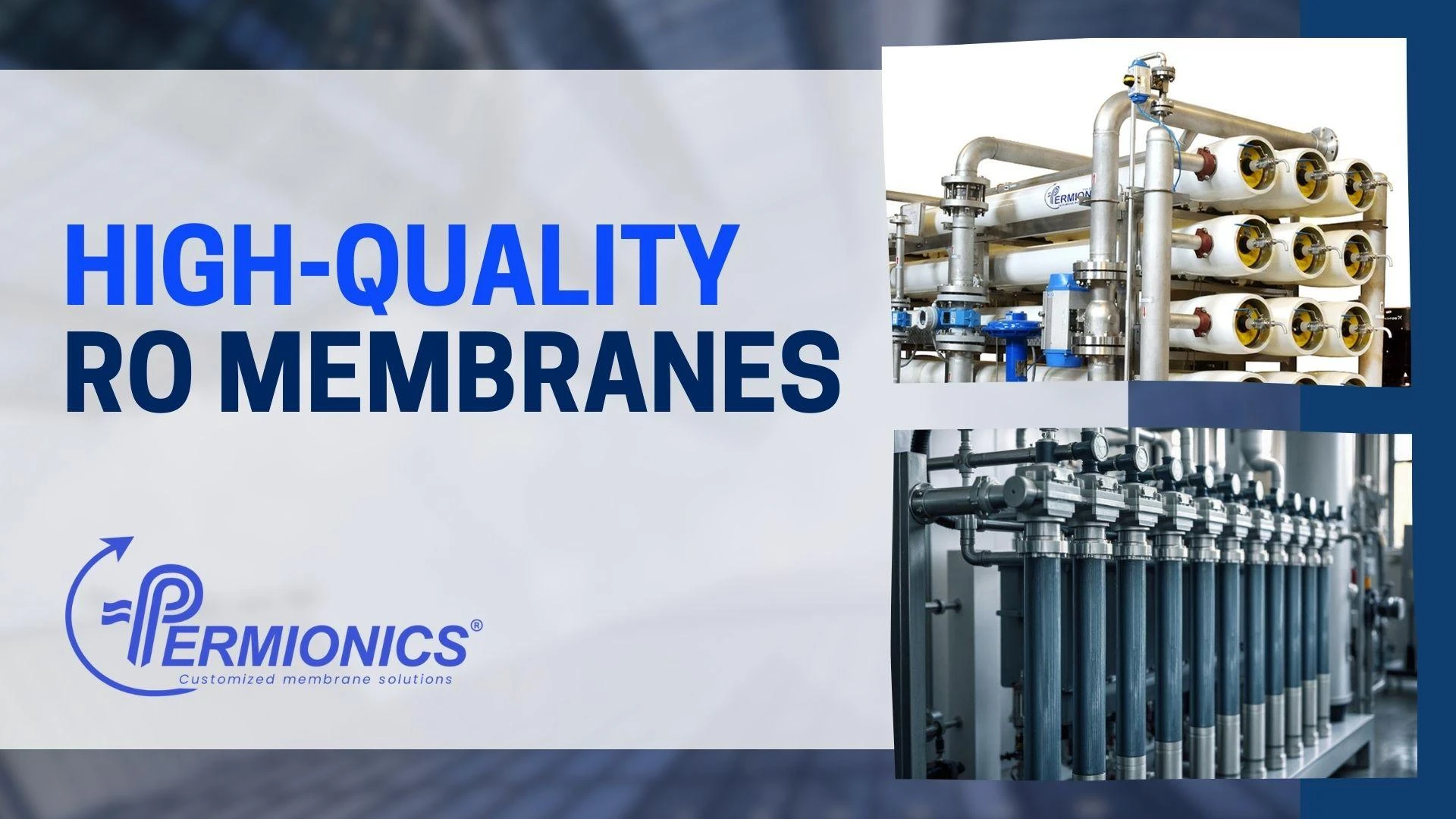

Reverse Osmosis (RO) membranes are fundamental components in water filtration systems, playing a vital role in various industries—from food and beverage production to pharmaceuticals and wastewater treatment. With technological advancements, the demand for high-performance membranes that offer superior filtration is greater than ever. In this blog, we will break down the key factors you should consider when comparing high-quality RO membranes and why these features are crucial for effective filtration.
1. Membrane Material: The Foundation of Quality
When it comes to selecting an RO membrane, the material used is one of the most critical factors. High-quality RO membranes are typically made from polyamide thin-film composite (TFC) materials. These materials are durable, efficient, and resistant to fouling, helping them maintain consistent performance over time.
Choosing a membrane that is well-suited for the environmental conditions of your filtration system is essential. For example, some materials perform better in extreme temperatures or high-salinity environments. Understanding the material properties of the membrane ensures that it can withstand the specific challenges your system will face, resulting in greater reliability and fewer maintenance issues.
2. Salt Rejection Rate: The Key to Effective Filtration
The primary function of an RO membrane is to reject salts and other dissolved solids. A high salt rejection rate means that the membrane is doing its job effectively, providing clean, purified water. Typically, a rejection rate above 98% is ideal for most industrial applications, ensuring that contaminants are removed efficiently.
However, there is a balance to strike—while a higher rejection rate leads to purer water, it can slightly reduce the water flow rate. This trade-off is something to consider when choosing a membrane for your specific needs. It’s important to find the right balance between rejection rate and flow rate for your system’s performance.
3. Permeate Flow Rate: The Speed of Filtration
The permeate flow rate refers to how quickly water passes through the membrane. A high permeate flow rate is crucial for high-demand systems, as it directly impacts how much filtered water is produced within a given time frame.
That said, it’s important to strike the right balance. While a higher flow rate is essential for meeting the needs of large-scale applications, it shouldn’t come at the cost of filtration quality. When selecting an RO membrane, consider how much water your system needs to process and choose a membrane that can handle the flow without compromising its efficiency.
4. Fouling Resistance: Keeping Things Clean
Fouling happens when unwanted particles, minerals, or microorganisms build up on the membrane surface, which can reduce its efficiency. High-quality RO membranes are designed to resist fouling, meaning they are more durable and require less maintenance.
Membranes with better fouling resistance will last longer and need fewer cleanings, which saves both time and money. Factors such as membrane surface charge, roughness, and hydrophilicity play a role in this resistance. If you're working with water that contains a lot of contaminants, it’s important to choose a membrane that can handle this challenge effectively.
5. Durability and Lifespan: Long-Term Reliability
The durability of an RO membrane is another key consideration. A membrane’s lifespan can vary depending on the water quality and how often the system is used, but high-quality membranes are built to last.
Investing in membranes with longer lifespans reduces the need for frequent replacements, which translates into cost savings in the long run. Additionally, membranes that can withstand tough operating conditions will need less frequent maintenance, helping to avoid unexpected downtime in your filtration system.
6. Compatibility with System Design: Getting the Right Fit
Even the best membrane is ineffective if it doesn’t fit well with your existing system. RO membranes come in different sizes, configurations, and pressure ratings, so it’s essential to choose one that matches your system’s requirements.
Proper compatibility ensures smooth installation and seamless operation, minimizing the need for adjustments down the line. Take the time to assess the technical specifications of your system and choose a membrane that integrates easily, enhancing overall system efficiency and reliability.
Conclusion
When it comes to selecting high-quality RO membranes for your filtration system, understanding the key factors such as membrane material, salt rejection rate, permeate flow rate, fouling resistance, durability, and compatibility with your system is essential. By considering these aspects, you can ensure that the membrane you choose will deliver top-notch performance and provide clean, safe water for your specific needs.
Investing in high-quality RO membranes is a wise choice for any filtration system. Whether you're filtering water for industrial processes, manufacturing, or even residential use, the right membrane ensures long-term effectiveness, reduced maintenance, and optimal water quality. Keep these factors in mind when comparing options to find the perfect fit for your system.
#HighQualityROMembranes #ReverseOsmosis #WaterFiltration #ROMembranes #WaterPurification











Sign in to leave a comment.