
Transporting vehicles, whether they are operable or non-operable, is a task that requires careful planning and consideration. Understanding the differences between these two categories of vehicles and how they impact the transport process is essential for making informed decisions. This article explores the key distinctions between operable and non-operable cars in the context of vehicle transport, highlighting the challenges, costs, and best practices associated with each.
What Defines Operable and Non-Operable Vehicles?
An operable vehicle is one that is in running condition. This means the car can start, stop, steer, and brake without any issues. Essentially, it is roadworthy and capable of being driven onto and off a transport truck or trailer. On the other hand, a non-operable vehicle cannot perform one or more of these basic functions. Non-operable cars might be in disrepair due to mechanical failures, or severe damage from an accident, or they could be in the process of restoration.
The status of a vehicle, whether operable or non-operable, significantly affects the logistics of transport. Knowing the condition of the vehicle helps in selecting the appropriate transport method and equipment, ensuring a smooth and efficient process.
Logistics and Equipment for Transport
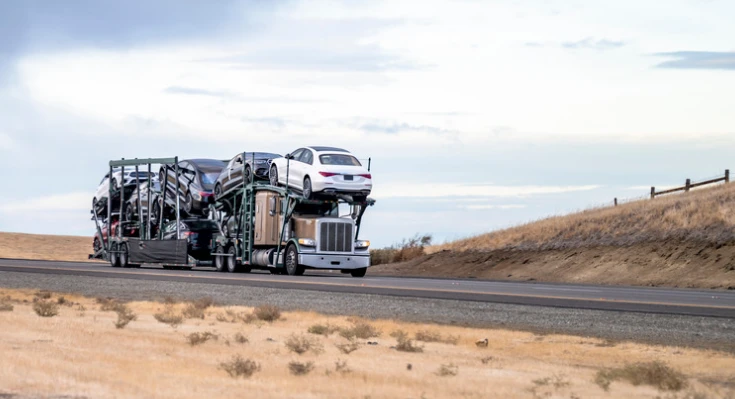
Transporting operable vehicles is generally more straightforward and less costly. Since these vehicles can be driven onto and off the transport trailer, they do not require additional equipment or special handling procedures. This simplifies the loading and unloading process, reducing the time and labor involved. Open carriers, which are more common and less expensive than enclosed carriers, are often used for transporting operable vehicles.
Non-operable vehicles, however, present a greater challenge. Special equipment, such as winches and forklifts, may be needed to load and unload these cars. The type of non-operability also dictates the specific equipment required. For instance, a car that cannot start might only need a winch, while a vehicle with severe structural damage might require a forklift or crane.
Enclosed carriers are often recommended for non-operable vehicles, especially if they are classic cars or undergoing restoration, to protect them from the elements and potential damage during transport. This method is more expensive but provides added security and protection, which is crucial for non-operable vehicles that are often more vulnerable to damage.
Cost Considerations
The cost of transporting a vehicle depends on several factors, including the condition of the vehicle, the distance to be covered, and the type of carrier used. Transporting operable vehicles is generally less expensive due to the reduced need for special equipment and simpler logistics. Open carriers, the most common and economical option, are typically sufficient for operable cars.
Non-operable vehicles incur higher transport costs due to the additional equipment and labor required. The need for specialized handling, the potential use of enclosed carriers, and the extra time taken for loading and unloading all contribute to the increased expense. Additionally, transport companies might charge extra fees for handling non-operable vehicles to cover the risks and challenges involved.
Insurance coverage is another crucial aspect to consider when transporting vehicles. Operable vehicles are usually covered under standard transport insurance policies. This coverage typically includes protection against damage during transit, theft, and other potential risks. It is important to review the terms of the insurance policy to understand the extent of the coverage and any exclusions that might apply.
For non-operable vehicles, insurance can be more complex and costly. These vehicles are often considered higher risk due to their condition, which can result in higher insurance premiums. Additionally, the transport company might have specific requirements or limitations on the coverage for non-operable cars. It is essential to ensure that adequate insurance is in place to protect the vehicle during transport, given its vulnerable state.
Choosing the Right Vehicle Transport Company
Selecting a reputable and experienced vehicle transport company is critical, regardless of whether the car is operable or non-operable. For operable vehicles, the primary focus should be on finding a company with a track record of reliable and timely deliveries. Reading reviews, checking references, and comparing quotes from multiple companies can help in making an informed decision.
For non-operable vehicles, it is even more important to choose a company with expertise in handling such cases. The company should have the necessary equipment and trained personnel to manage the additional challenges posed by non-operable cars. Verifying the company’s experience with non-operable vehicle transport and ensuring they have the appropriate insurance coverage are key steps in the selection process.
Preparing the Vehicle for Transport
Preparation is crucial for ensuring a smooth transport process for both operable and non-operable vehicles. For operable cars, this includes tasks such as checking fluid levels, ensuring the battery is charged, and verifying that the tires are properly inflated. It is also advisable to remove any personal belongings and deactivate toll tags to avoid unnecessary charges.
Preparing a non-operable vehicle involves different steps, depending on its condition. It is important to inform the transport company about the specific issues the car has so they can prepare the necessary equipment. Securing any loose parts, ensuring the vehicle is accessible for loading, and documenting its condition with photos are important steps to take before transport. This documentation can be useful for insurance purposes in case of any disputes or claims.
The decision to transport an operable or non-operable vehicle involves several factors, including logistics, cost, insurance, and preparation. Understanding the differences between these two categories and their implications for the transport process is crucial for making informed decisions. Operable vehicles offer a simpler and more cost-effective transport solution, while non-operable vehicles require additional considerations and specialized handling.
Selecting the right vehicle transport company, ensuring adequate insurance coverage, and preparing the vehicle appropriately are key steps in ensuring a successful transport experience. Whether the vehicle is in perfect running condition or needs special care due to its non-operable status, careful planning and attention to detail can help ensure it reaches its destination safely and efficiently.










Sign in to leave a comment.