
Agriculture is undergoing a transformation powered by advancements in technology, with computer vision leading the charge. This cutting-edge technology has opened up new possibilities for farmers, allowing them to manage resources more efficiently, improve crop yields, and reduce environmental impact. As we move into 2024, the applications of computer vision in agriculture are becoming more refined and impactful. This article explores the best applications of computer vision in agriculture for 2024, highlighting how this technology is shaping the future of farming.
Crop Monitoring and Disease Detection:
One of the most significant applications of computer vision in agriculture is crop monitoring and disease detection. High-resolution cameras and drones equipped with computer vision AI can capture images of vast agricultural fields. These images are then analyzed to identify signs of disease, pests, or nutrient deficiencies at an early stage. By detecting issues before they become widespread, farmers can take timely action to protect their crops, leading to healthier yields and reduced losses.
AI Video Analytics Software plays a critical role in this process by providing real-time insights and alerts, enabling farmers to make data-driven decisions. For example, specific algorithms can detect subtle changes in leaf color or texture, which may indicate the presence of a disease or pest infestation.
Precision Agriculture:
Precision agriculture involves using technology to monitor and manage variability in crops, optimizing the use of resources like water, fertilizers, and pesticides. Computer vision is integral to this approach, allowing farmers to assess the condition of each plant individually. By analyzing images, computer vision systems can determine the exact needs of different areas within a field, ensuring that resources are applied precisely where they are needed.
This level of precision not only enhances crop productivity but also minimizes waste and environmental impact. In 2024, the integration of AI video analytics software with precision agriculture practices is expected to become more widespread, making farming operations more sustainable and efficient.
Harvesting and Yield Estimation:
Harvesting is a labor-intensive process, and accurately estimating yield is crucial for planning and logistics. Computer vision technology is now being used to automate the harvesting process, especially in fruit picking. Robots equipped with computer vision can identify ripe fruits and pick them with precision, reducing the reliance on manual labor.
Additionally, computer vision is being used to estimate crop yields more accurately. By analyzing images of crops at different growth stages, computer vision algorithms can predict the quantity and quality of the harvest. This information is invaluable for farmers, helping them to make informed decisions about marketing and distribution.
Weed and Pest Control:
Weed and pest control are essential for maintaining crop health, but traditional methods often involve the excessive use of chemicals, which can harm the environment. Computer vision offers a more sustainable solution by enabling targeted weed and pest control.
Using AI-driven cameras and sensors, computer vision systems can identify weeds and pests with high accuracy. This allows for the precise application of herbicides and pesticides, reducing the overall amount used and minimizing environmental impact. In 2024, the adoption of such technologies is expected to grow as farmers seek to balance productivity with sustainability.
Livestock Monitoring and Management:
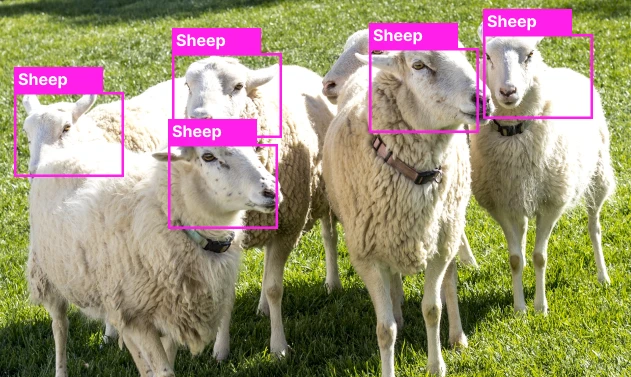
Computer vision is not limited to crop production; it also has significant applications in livestock farming. By using cameras and AI algorithms, farmers can monitor the health and behavior of their animals in real-time. Computer vision systems can detect signs of illness, monitor feeding patterns, and even identify individual animals within a herd.
This level of monitoring helps farmers to take proactive measures to ensure the well-being of their livestock, leading to better productivity and animal welfare. In 2024, the use of computer vision in livestock management is expected to expand, offering farmers more tools to enhance their operations.
Soil and Water Management:
Efficient soil and water management are critical for sustainable agriculture. Computer vision technology can assist in monitoring soil conditions and optimizing water usage. By analyzing images of soil, computer vision systems can assess moisture levels, texture, and other properties that affect crop growth.
In irrigation management, computer vision can be used to monitor water distribution and detect leaks or inefficiencies in irrigation systems. This ensures that water is used more efficiently, reducing waste and conserving resources. As climate change continues to impact agriculture, the role of computer vision in soil and water management is expected to become increasingly important in 2024.
Automated Machinery and Robotics:
The automation of agricultural machinery is another area where computer vision is making a significant impact. Tractors, harvesters, and other machinery equipped with computer vision systems can navigate fields autonomously, avoiding obstacles and performing tasks with high precision.
This automation reduces the need for manual labor, increases efficiency, and allows farmers to manage larger areas of land. In 2024, the use of automated machinery and robotics powered by computer vision is expected to become more common, helping farmers to meet the growing demand for food production.
AI-Driven Crop Variety Development:
Developing new crop varieties that are more resilient to climate change, pests, and diseases is a key challenge for agriculture. Computer vision is playing a role in accelerating this process by analyzing plant traits at a genetic level. By examining the visual characteristics of plants, such as leaf shape, color, and growth patterns, computer vision algorithms can help researchers identify desirable traits more quickly and accurately.
This technology is being used to develop crop varieties that are better suited to specific environments, leading to improved yields and resilience. In 2024, the application of computer vision in crop variety development is expected to continue growing, contributing to the advancement of agricultural science.
Conclusion
Looking out for ways to build a computer vision application in smart farming and agriculture? The integrated platform administers excellent end-to-end tools and machine learning model frameworks to build, deploy, and scale deep learning vision solutions. To have complete control over agriculture, farmers should adopt AI-driven solutions that can assist with real-time monitoring of the produce and resolve problems. As the leading provider of Computer Vision in Agriculture, Nextbrain offers world-class computer vision applications to assist a wide range of industries. With proven expertise in mastering advanced technologies, we create best-in-class applications tailored specifically for agriculture.










Sign in to leave a comment.