
In today’s fast-paced and competitive academic environment, creating an effective study space is crucial for success. The right furniture can significantly influence your ability to concentrate, learn, and retain information, and among the most important pieces of furniture in any study area is the chair. Selecting the right study chair can transform your study sessions, making them more productive and comfortable. This comprehensive guide will explore the essential aspects of choosing the ideal study chair and how it contributes to an effective study space.
Understanding the Importance of a Good Study Chair
When it comes to studying, comfort and support are paramount. A good chair is not just about aesthetics; it plays a vital role in your overall health and productivity. Spending long hours seated while studying can lead to various health issues, including back pain, neck strain, and even poor posture. An appropriate study chair can mitigate these risks by offering the necessary support for your body, allowing you to focus on your studies rather than discomfort.
Moreover, the right chair can enhance your concentration. When you sit comfortably, your mind is free to engage with the material at hand. This means you can absorb information more effectively and stay focused for longer periods. Therefore, investing in a quality study chair is an investment in your academic success.
Key Features to Look for in Study Chairs
When selecting a study chair, it's essential to consider several key features that will enhance your comfort and productivity. Here are some critical elements to keep in mind:
Ergonomics
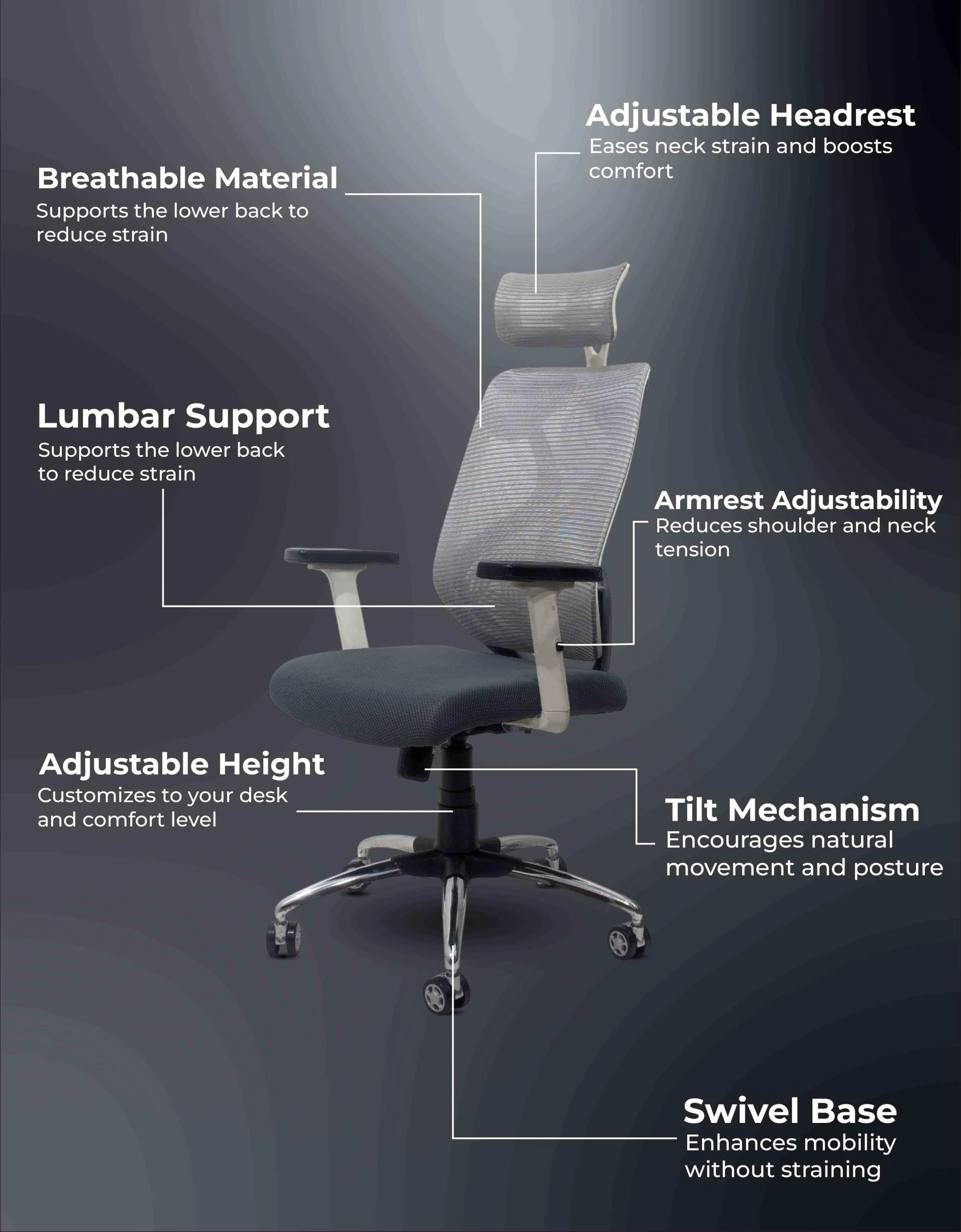
An ergonomic chair is designed to support your body in a natural position, promoting good posture while minimizing strain on your muscles and joints. Look for chairs that offer adjustable features such as seat height, backrest angle, and armrests. These adjustments allow you to customize the chair to your body, providing optimal support during long study sessions.
Lumbar Support
Proper lumbar support is crucial for maintaining the natural curvature of your spine. Chairs that offer adjustable lumbar support can help prevent slouching, which can lead to discomfort and long-term health issues. Ensure that the chair's lumbar support aligns with your lower back to provide adequate support.
Material and Padding
The material of the chair plays a significant role in comfort. Breathable fabrics can help keep you cool, while plush padding can enhance comfort during extended study periods. Consider chairs with high-density foam or gel padding for maximum comfort, as these materials conform to your body shape and reduce pressure points.
Mobility and Stability
Consider the mobility of the chair as well. If you need to move around your study space frequently, look for chairs with wheels that glide smoothly across various surfaces. Additionally, a chair with a sturdy base will provide stability and prevent tipping, ensuring safety while you focus on your studies.
Aesthetic Appeal
While functionality is crucial, the visual appeal of the chair should not be overlooked. A chair that complements your study space can create a more inviting and inspiring environment. Choose colors and designs that resonate with your personal style and enhance the overall ambiance of your study area.
Creating a Functional Study Space
Now that we understand the importance of a good study chair and the key features to look for, it’s time to focus on creating a functional study space. A well-designed study area can significantly enhance your productivity. Here are some tips to help you create an effective study environment:
Choose the Right Location
The location of your study space can impact your concentration and productivity. Select a quiet area away from distractions, such as televisions or noisy common areas. Natural light can also enhance your mood and focus, so positioning your study area near a window can be beneficial.
Organize Your Space
An organized study space promotes efficiency. Ensure that your study materials, such as books, notebooks, and stationery, are easily accessible. Consider using shelves, organizers, or desk drawers to keep your workspace tidy. A clutter-free environment allows for better focus and reduces feelings of overwhelm.
Incorporate Good Lighting
Proper lighting is essential for any study area. Poor lighting can lead to eye strain and fatigue, making it difficult to concentrate. Use a combination of natural and artificial lighting to create a well-lit environment. A desk lamp with adjustable brightness can provide additional light when needed, especially during late-night study sessions.
Personalize Your Space
Adding personal touches to your study area can enhance motivation and make the space more inviting. Consider incorporating motivational quotes, photos, or artwork that resonates with you. Personalizing your study environment can create a sense of ownership and encourage you to spend more time there.
Establish a Routine
Creating a routine can help you develop a consistent study habit. Designate specific times for studying and stick to them. Having a routine signals your brain that it’s time to focus, making it easier to transition into a productive mindset.
Maintaining Your Study Chair
Once you’ve invested in the right study chair, it’s essential to maintain it properly to ensure longevity and optimal performance. Here are some tips for caring for your chair:
Regular Cleaning
Keep your chair clean by regularly wiping down surfaces with a damp cloth. If your chair has fabric upholstery, consider using a vacuum with an upholstery attachment to remove dust and debris. Regular cleaning not only enhances the appearance of the chair but also promotes a healthier study environment.
Check for Adjustments
Occasionally check the adjustable features of your chair to ensure they’re functioning correctly. Over time, some adjustments may loosen or require recalibration. Regularly adjusting your chair to fit your body will help maintain comfort and support.
Inspect for Wear and Tear
Perform routine inspections of your chair for any signs of wear and tear. Check the wheels, armrests, and seat for any damage. Timely repairs or replacements can help avoid discomfort and ensure the chair remains a valuable asset in your study space.
Conclusion
Creating a productive study space begins with the right study chair. By understanding the essential features to look for and how to design your study environment, you can enhance your comfort, focus, and overall productivity. A well-chosen chair provides the support needed for long hours of study and contributes to a healthier workspace.
For high-quality study chairs that prioritize comfort and ergonomics, consider exploring the options available at My Cubicles. Visit us at https://mycubicles.com/ to discover the perfect chair that meets your study needs and transforms your learning experience. Your academic success deserves the best support!










Sign in to leave a comment.