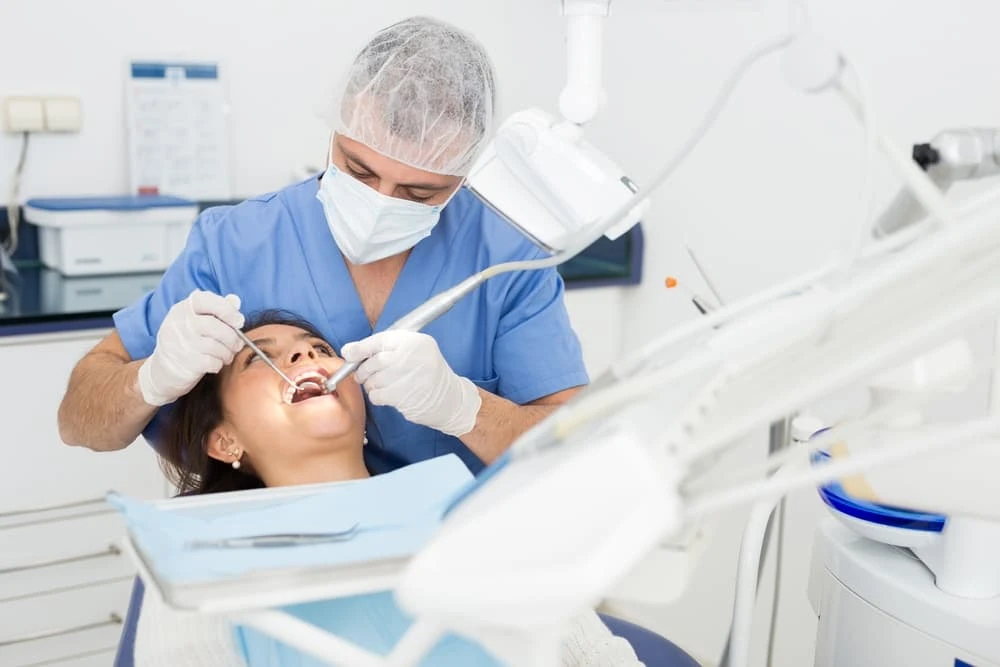

Dental emergencies in children can be distressing, but with the right knowledge and a calm approach, parents can help their children receive the care they need quickly and effectively. Whether it's a knocked-out tooth, a sudden toothache, or a broken crown, understanding how to respond can make all the difference in ensuring a positive outcome.
This guide offers insight into the most common types of dental emergencies in children, signs to look for, and what parents can expect during the recovery process.
Recognising a Dental Emergency
Children are naturally active and prone to accidents. While not all dental issues require immediate attention, it’s important to recognise when an incident constitutes a dental emergency. These situations often involve trauma, pain, or potential damage to the teeth or gums. Common dental emergencies in children include:
- Knocked-out (avulsed) teeth
- Chipped or fractured teeth
- Severe toothache or sensitivity
- Dental abscesses
- Soft tissue injuries to the lips, gums, or tongue
Early recognition and swift action can lead to excellent outcomes, and many parents are surprised at how smoothly a dental emergency can be resolved with the help of a responsive and compassionate dental team.
What Parents Should Do in a Dental Emergency
1. Knocked-Out Tooth
If a permanent tooth is knocked out, time is of the essence. Gently rinse the tooth in milk or saline solution (not water), being careful not to touch the root. Try to reinsert it into the socket and have the child bite down gently on gauze. If this isn’t possible, place the tooth in milk and seek emergency dental care immediately.
For baby teeth, do not attempt reinsertion. Instead, contact a dental professional who can assess the injury and advise on next steps. Many parents report feeling reassured after speaking with a dental team that provided clear, calm guidance and fast access to care.
2. Chipped or Fractured Teeth
A chipped tooth can range from a minor cosmetic issue to a more serious concern if the nerve is exposed. Rinse the child’s mouth with warm water and apply a cold compress to reduce swelling. Save any broken pieces of the tooth, and book an emergency appointment.
Parents often recall how quickly dental professionals were able to repair damaged teeth with aesthetic restorations, helping restore their child’s smile and confidence in a single visit.
3. Severe Toothache
Toothaches in children may be caused by cavities, infections, or even food particles lodged between teeth. Encourage your child to rinse their mouth and gently floss the affected area. If pain persists, a dental emergency appointment is necessary.
Many families share stories of their child being treated with extraordinary patience and care during these visits, often leaving with both pain relief and a sense of trust in dental professionals.
4. Dental Abscess
An abscessed tooth is a serious dental emergency that requires prompt treatment. Signs include swelling, fever, a pimple-like bump on the gums, and throbbing pain. It’s important not to ignore these symptoms.
Children treated for dental abscesses often return to their normal selves shortly after receiving care. Parents frequently express gratitude for the warm and reassuring approach taken by the dental team, which helps alleviate both physical pain and emotional distress.
5. Soft Tissue Injuries
Injuries to the lips, cheeks, gums, or tongue can cause heavy bleeding and discomfort. Clean the area gently with water and apply a cold compress. If bleeding does not stop after 10 minutes, seek urgent dental attention.
Positive experiences often stem from how child-friendly dental clinics manage such injuries—using gentle techniques, distraction tools, and clear communication tailored to young patients.
Staying Calm During a Dental Emergency
It’s natural for both children and parents to feel anxious during a dental emergency. Staying calm and offering comfort helps children feel secure and more cooperative. Many parents have found that the kindness and professionalism of dental staff create a sense of calm that carries through the entire experience.
Parents often recall that while the emergency itself was unexpected, the response from the dental team was anything but chaotic. From friendly receptionists to soothing dental nurses, every part of the journey can leave a lasting impression for the better.
Post-Emergency Recovery and Care
After the emergency has been treated, follow-up care is essential. Dentists may recommend soft foods, good oral hygiene practices, and a return visit to monitor healing. Children are typically resilient, and with supportive care, they bounce back quickly.
Parents consistently highlight how post-treatment check-ups are not just clinical but also nurturing. Dental teams often go above and beyond to explain things in child-friendly language, building trust and reducing future anxiety.
Preventing Dental Emergencies
While not all accidents are avoidable, there are practical steps parents can take to minimise the risk of dental emergencies:
- Ensure children wear mouthguards during sports activities
- Teach proper brushing and flossing techniques
- Schedule regular dental check-ups
- Childproof the home to prevent slips and falls
Many families report that regular dental visits play a crucial role in prevention. Dental professionals often use these appointments to educate children in a fun, interactive way, instilling healthy habits early on.
Creating Positive Dental Memories
It’s encouraging to note how many families have turned a stressful dental emergency into a positive memory. A child who enters a clinic in pain and fear can leave with a smile, thanks to the gentle, reassuring, and skilled approach of a dedicated dental team.
Whether it’s a balloon after treatment, a sticker for bravery, or simply a warm smile and kind words, these experiences build lasting trust. Over time, many children grow to view dental visits as a safe and even enjoyable experience.
Empowering Parents with Knowledge
Understanding how to handle a dental emergency gives parents the confidence to act quickly and effectively. Equipped with the right information, they can transform a moment of panic into a well-managed situation. Positive experiences during dental emergencies aren’t just possible—they’re common, thanks to modern dental care and compassionate professionals.
By being prepared, choosing child-focused dental services, and fostering open conversations about oral health, parents can ensure their children are well-protected and supported, no matter what unexpected turns life may take.











Sign in to leave a comment.