
Design Considerations for a Palisade Fence in Government Projects
Government infrastructure projects require reliable and carefully planned perimeter security systems. Facilities such as administrative buildings, transport infrastructure, logistics depots and education campuses must protect sensitive operations, equipment and public assets. A palisade fence is frequently used in these environments because of its strong steel construction and visible deterrent design. When planning security for government projects, several important design considerations must be evaluated to ensure the fencing system meets operational requirements, safety standards and long-term performance expectations.
Understanding Security Needs in Government Infrastructure
Government facilities often handle essential services and infrastructure that must remain protected from unauthorised access. These locations may include storage areas, restricted operational zones, transport facilities or sensitive infrastructure that supports public services.
Perimeter security helps establish clear boundaries around these areas while guiding authorised personnel and vehicles through controlled access points. A well-designed fencing system reduces the risk of trespassing, vandalism and theft while supporting safe site management.
For government infrastructure projects, security planning usually involves combining physical barriers with monitoring technologies and access control systems.
Structural Design and Strength
One of the most important considerations when designing security barriers for government sites is structural strength. Steel pale fencing systems are known for their durable construction and resistance to impact or tampering.
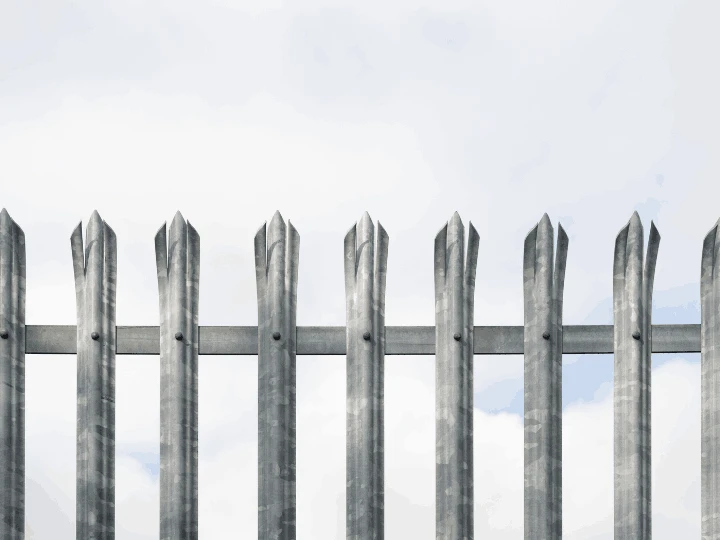
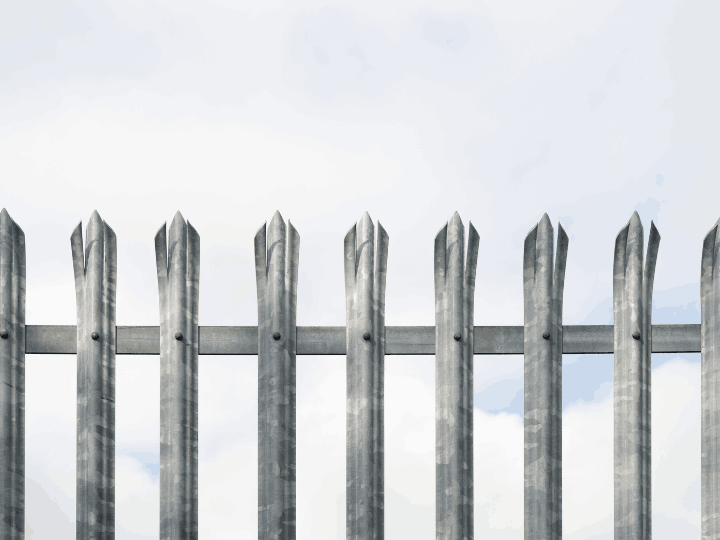
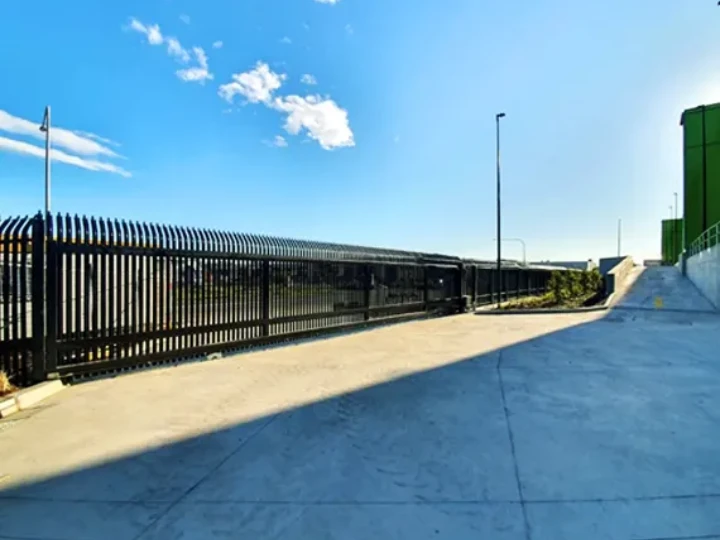
Palisade fencing typically consists of vertical steel pales mounted on reinforced horizontal rails and supported by strong posts. This structure creates a rigid barrier that can withstand heavy use and environmental exposure.
The vertical design also limits footholds, reducing the likelihood of individuals attempting to climb the barrier. In many projects, the tops of the pales are shaped or pointed to increase the deterrent effect and improve security performance.
Height and Perimeter Coverage
The height and layout of the fencing system play a critical role in the overall effectiveness of the perimeter barrier. Government projects often require different fence heights depending on the level of risk associated with the facility.
For example, transport infrastructure or restricted operational areas may require taller fencing to strengthen perimeter protection. In large infrastructure sites, consistent coverage around the entire boundary is essential to avoid potential vulnerabilities.
Proper planning ensures that the fencing system fully secures the site while maintaining safe access for authorised personnel.
Visibility and Surveillance Integration
Maintaining clear visibility along the perimeter is essential for effective monitoring. Government infrastructure often relies on surveillance cameras, lighting systems and security patrols to detect suspicious activity around restricted areas.
Steel pale fencing allows visibility through the structure, enabling monitoring systems to observe activity on both sides of the barrier. This transparency improves the performance of surveillance technology and helps security teams respond quickly to potential threats.
By supporting both physical security and monitoring systems, steel fencing plays an important role in integrated infrastructure protection strategies.
Access Control and Secure Entry Points
Government facilities require controlled entry points to manage the movement of vehicles, staff and authorised contractors. These entry points must provide security while allowing operations to run efficiently.
A palisade gate is commonly installed at designated access locations within the perimeter. These gates are designed to match the strength and appearance of the surrounding fencing, ensuring consistent protection across the site boundary.
When combined with access control technologies and monitoring systems, secure gates allow organisations to maintain strong perimeter security while supporting daily operational needs.
Designing effective perimeter protection is a key requirement for government infrastructure projects. Security systems must provide strong physical barriers while supporting monitoring, access control and long-term durability. Factors such as structural strength, fence height, visibility and secure entry points all play an important role in developing a reliable perimeter solution. By carefully considering these design elements, organisations can ensure that their security systems meet operational requirements and protect valuable infrastructure. For many government projects across Australia, a palisade fence continues to provide a practical and dependable solution for maintaining strong perimeter security.
FAQs
1. What is a palisade fence used for in government projects?
A palisade fence is commonly used to secure government infrastructure such as transport facilities, logistics depots and administrative sites.
2. What is palisade fencing?
Palisade fencing is a steel security barrier made from vertical pales attached to horizontal rails, designed to prevent unauthorised access.
3. Why is a palisade fence suitable for government infrastructure?
A palisade fence offers strong construction, clear visibility for monitoring and effective deterrence for restricted government facilities.
4. What is a palisade gate used for?
A palisade gate provides controlled access for vehicles and authorised personnel entering secured infrastructure sites.
5. Where is palisade fencing commonly installed?
Palisade fencing is widely installed around logistics centres, government infrastructure, construction sites and education campuses.






Sign in to leave a comment.