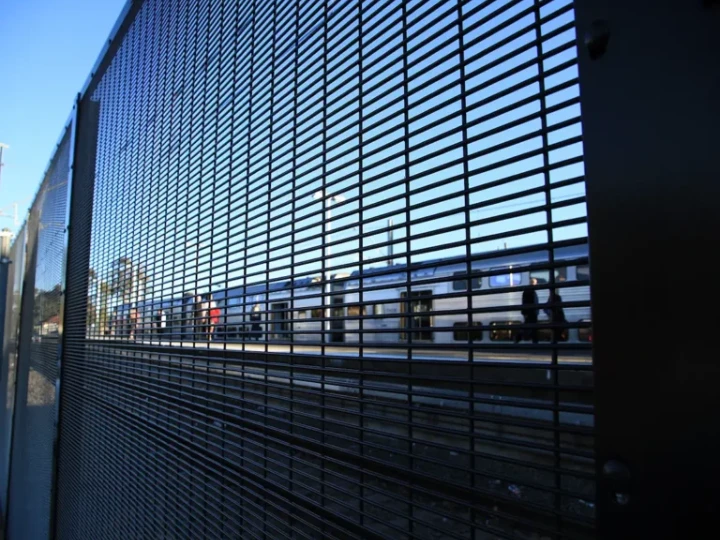

Urban transport networks require high levels of safety, control, and durability to operate efficiently. As cities expand and rail corridors pass through densely populated areas, securing these environments becomes increasingly complex. A well designed railway fence plays a critical role in protecting passengers, staff, and infrastructure by creating a strong and reliable boundary that manages risk and supports compliance with safety standards.
Understanding Urban Transport Challenges
Designing fencing for urban rail environments involves addressing a range of challenges, including high pedestrian traffic, limited space, and constant exposure to public activity.
Rail corridors often run alongside roads, footpaths, and commercial zones, increasing the risk of unauthorised access. Effective railway fencing must provide a secure barrier while maintaining visibility and accessibility for authorised personnel.
Understanding these conditions is essential for selecting a design that meets both safety and operational requirements.
Prioritising Safety and Access Control
Safety is the primary objective in any rail infrastructure project. Fencing systems must prevent trespassing and reduce the risk of accidents involving trains or electrical systems.
Railway fencing is designed to create a clear separation between operational areas and public spaces. By limiting access points and reinforcing secure boundaries, it helps ensure that only authorised individuals can enter restricted zones.
This approach is vital for maintaining safe operations in busy urban environments.
Selecting Durable Materials for Longevity
Urban rail infrastructure is exposed to constant use and environmental factors such as weather, pollution, and potential impact from vehicles or equipment.
Fencing materials must be strong and resistant to wear to ensure long term performance. Steel based systems are commonly used due to their durability and ability to withstand harsh conditions.
Choosing high quality materials reduces maintenance requirements and ensures that the fencing remains effective over time.
Balancing Security with Visibility
In urban settings, visibility is just as important as security. Security personnel and monitoring systems rely on clear sightlines to detect potential risks and respond quickly.
Railway fencing systems are often designed with open structures that allow for easy observation while maintaining strong perimeter protection. This balance supports surveillance efforts and improves overall safety.
Clear visibility also contributes to a safer environment for nearby pedestrians and transport users.
Integrating with Infrastructure and Layout
Urban rail projects require fencing solutions that can adapt to complex layouts and existing infrastructure. Tracks may run through varied terrain, including bridges, tunnels, and station areas.
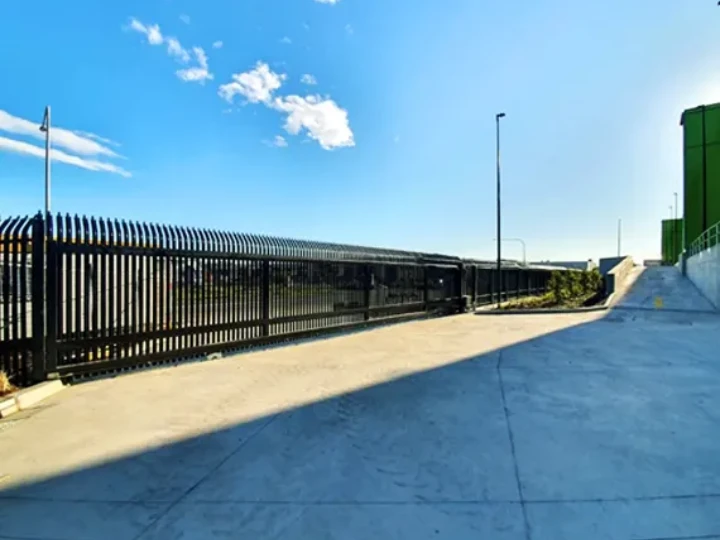
Railway fencing must be designed to follow these conditions while maintaining consistent protection. Customised panel heights, secure posts, and adaptable configurations ensure that the fencing fits seamlessly into the environment.
Integration with access gates and maintenance entry points is also essential for supporting daily operations.
Supporting Compliance and Regulatory Standards
Government transport projects in Australia must meet strict safety and engineering standards. Fencing systems play a key role in achieving compliance with these requirements.
Railway fencing must meet specifications related to height, strength, and structural integrity. Proper design and installation ensure that the system performs reliably and meets regulatory expectations.
Compliance not only enhances safety but also prevents delays and additional costs during project development.
Enhancing Protection in High Risk Areas
Certain sections of urban rail networks may require additional security measures due to higher risk levels. These areas include stations, signalling equipment zones, and maintenance depots.
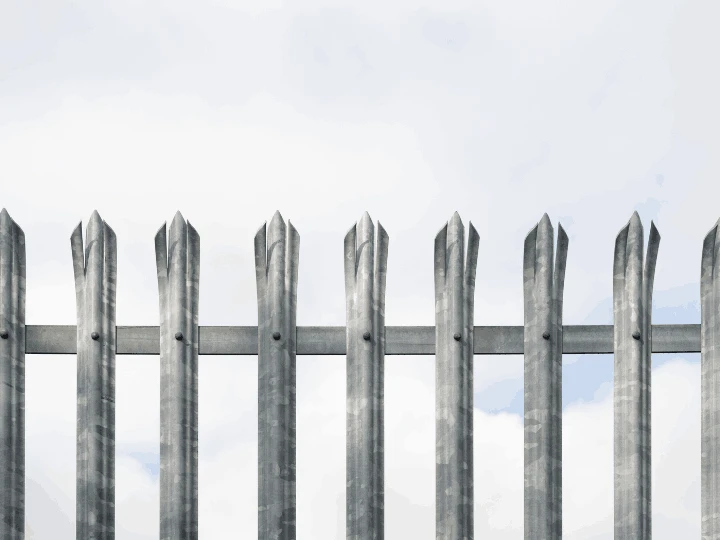
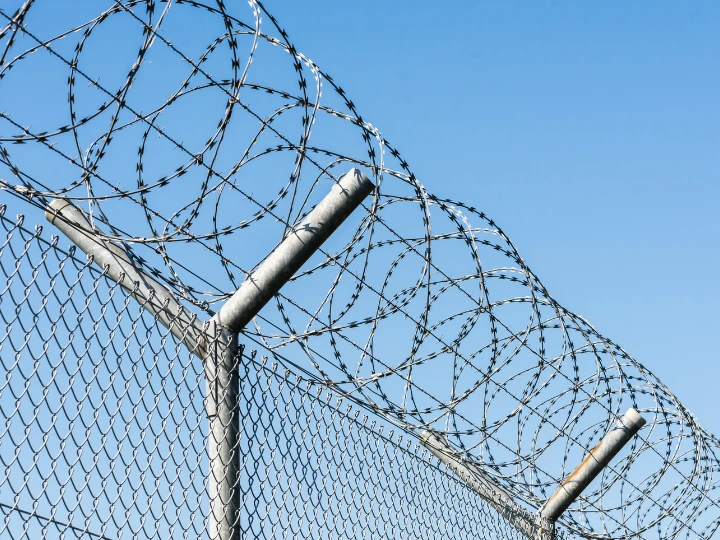
Enhanced railway fencing solutions can be implemented in these locations to provide greater protection against intrusion and vandalism. Stronger materials and reinforced designs help secure critical infrastructure and maintain operational reliability.
This targeted approach ensures that resources are allocated where they are needed most.
Designing effective fencing for urban rail environments requires careful consideration of safety, durability, visibility, and compliance. By addressing these factors, project managers can create secure boundaries that protect both infrastructure and the public. Reliable materials, adaptable designs, and strong access control measures all contribute to successful outcomes in complex transport settings. For commercial and government projects seeking dependable perimeter protection, a well planned railway fence provides the strength and performance needed to support safe and efficient urban transport operations.
FAQs
1. What is a railway fence used for?
It is used to secure rail corridors and prevent unauthorised access to transport infrastructure.
2. How does railway fencing improve safety in urban areas?
Railway fencing creates clear boundaries that reduce the risk of accidents and trespassing.
3. What materials are used for railway fencing?
Steel and other durable materials are commonly used for long term performance.
4. Can railway fencing be customised for complex layouts?
Yes, it can be designed to suit different terrains and infrastructure requirements.
5. Does railway fencing meet Australian safety standards?
Yes, when properly designed and installed, it complies with required regulations.







Sign in to leave a comment.