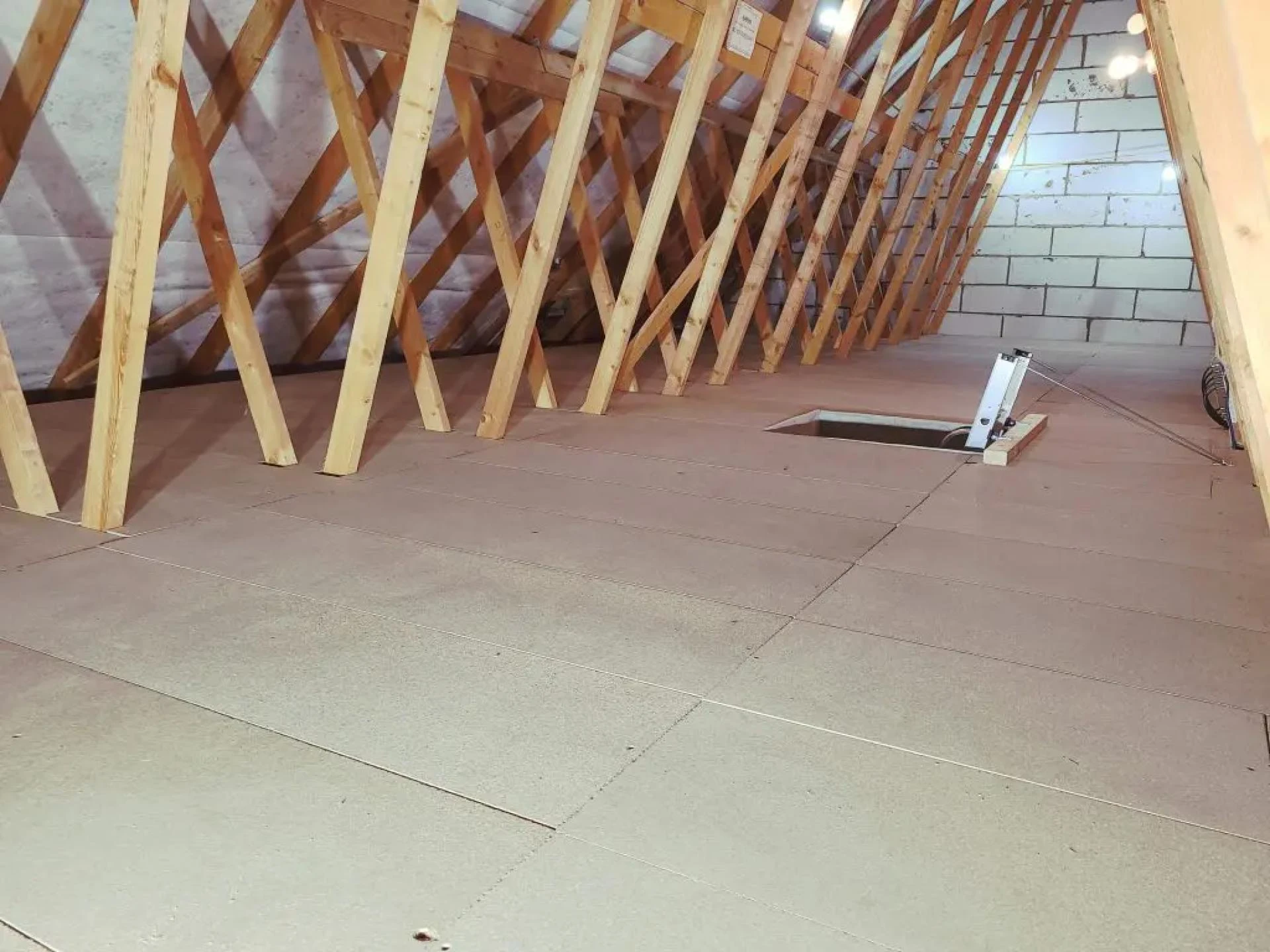

Lofts are often the most overlooked spaces in a home—but they hold immense potential. Whether you want extra storage, a hobby room, or simply want to make the most of your home’s square footage, loft boarding is your gateway. But then comes the big question: should you do it yourself or hire professionals?
This article will walk you through everything you need to know about DIY vs. professional loft boarding in Hampshire so you can confidently choose the route that suits your home, skill level, and budget.
Why Loft Boarding Matters
Before we delve into the differences between DIY and professional installation, let’s understand why loft boarding is such a valuable upgrade for homeowners—especially in a place like Hampshire, where space is often at a premium.
Maximizing Unused Space
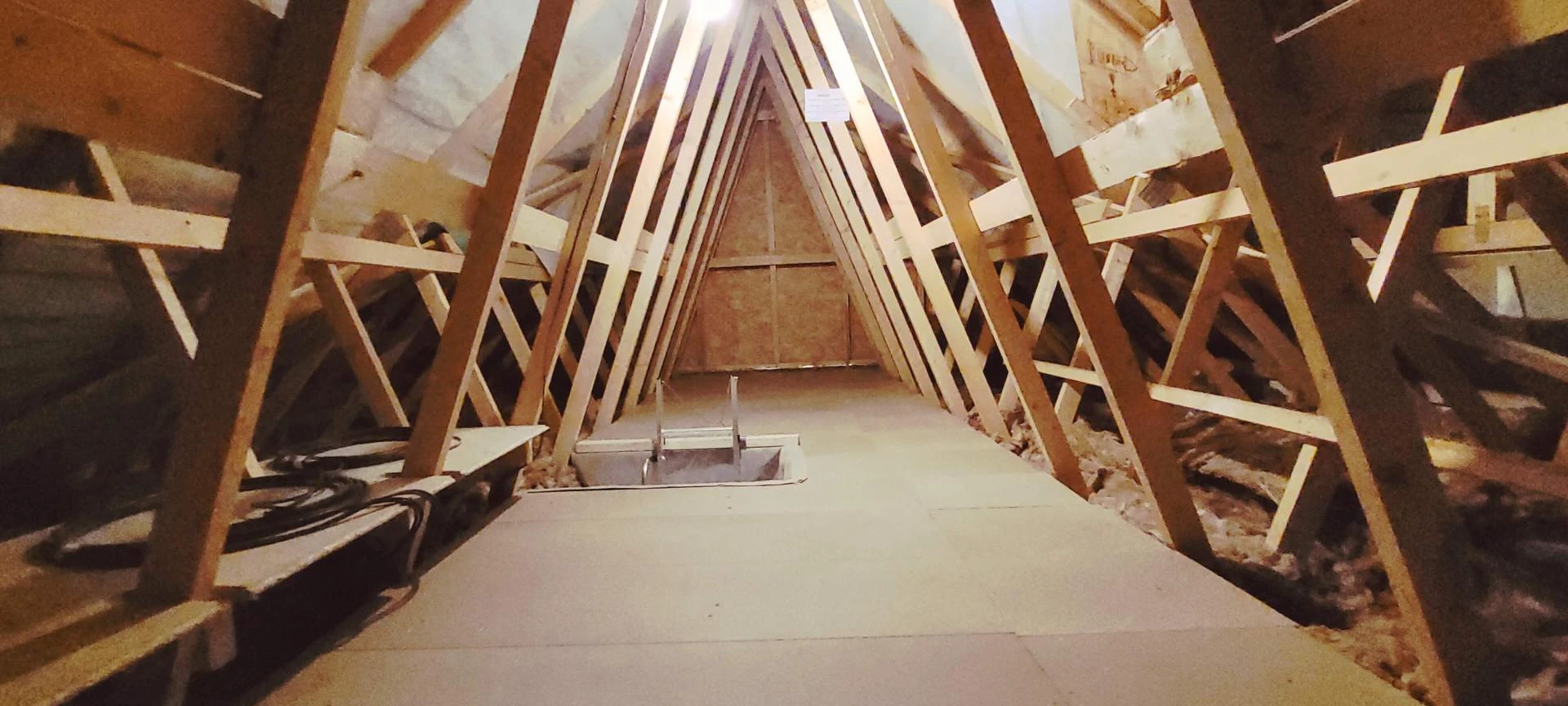
A boarded loft transforms an inaccessible area into a practical, safe space for storing seasonal items, old furniture, or family keepsakes. It offers a clutter-free way to enjoy the rest of your home.
Enhancing Insulation and Energy Efficiency
A properly boarded loft can help keep your insulation intact and undisturbed, especially if done using raised loft boarding techniques. This added layer improves your home’s energy efficiency—great for your wallet and the environment.
Increasing Home Value
Whether you’re planning to stay put or preparing to sell, a professionally finished loft adds appeal. Homebuyers often look for smart storage solutions, and a well-executed loft boarding project can make a big difference.
The DIY Loft Boarding Route
If you enjoy home improvement projects and feel confident using tools, doing your own loft boarding might be appealing. But what exactly does it involve?
What You’ll Need
Here’s a basic list of essentials for DIY loft boarding:
- Loft boards (chipboard or plywood)
- Screws and a power drill
- Measuring tape and pencil
- Spirit level
- Loft legs or support risers (to avoid crushing insulation)
- Handsaw or circular saw
- Protective gear like gloves, mask, and goggles
You’ll also need a good chunk of free time and, ideally, a second person to help with lifting and placement.
Step-by-Step Overview
- Inspect the Space – Check for dampness, pests, and the condition of joists.
- Measure the Loft – Knowing the area helps determine how many boards and supports you’ll need.
- Install Loft Legs – These raise the boards above the insulation, preserving airflow and effectiveness.
- Lay the Boards – Cut to fit as needed and secure to the supports or joists.
- Check Stability – Ensure boards are level and safely fastened before walking on them or storing items.
Pros of DIY Loft Boarding
- Cost Savings – Without labor fees, you can reduce overall spending.
- Schedule Flexibility – Tackle the project on weekends or when convenient.
- Sense of Accomplishment – There’s satisfaction in completing a hands-on task in your own home.
Cons of DIY Loft Boarding
- Time-Consuming – Even small lofts can take several days to finish.
- Skill Requirements – Measuring, cutting, drilling, and leveling all take experience.
- Risk of Mistakes – Errors can lead to damaged insulation, structural issues, or safety hazards.
DIY is feasible—but only if you have the time, tools, and confidence to do it right.
The Professional Loft Boarding Option
Hiring an expert might be the ideal choice if you want the job done quickly, safely, and to a high standard. Professional loft boarding companies offer a full-service experience, which includes:
- Free initial surveys
- Installation of raised boarding systems
- Insulation upgrades
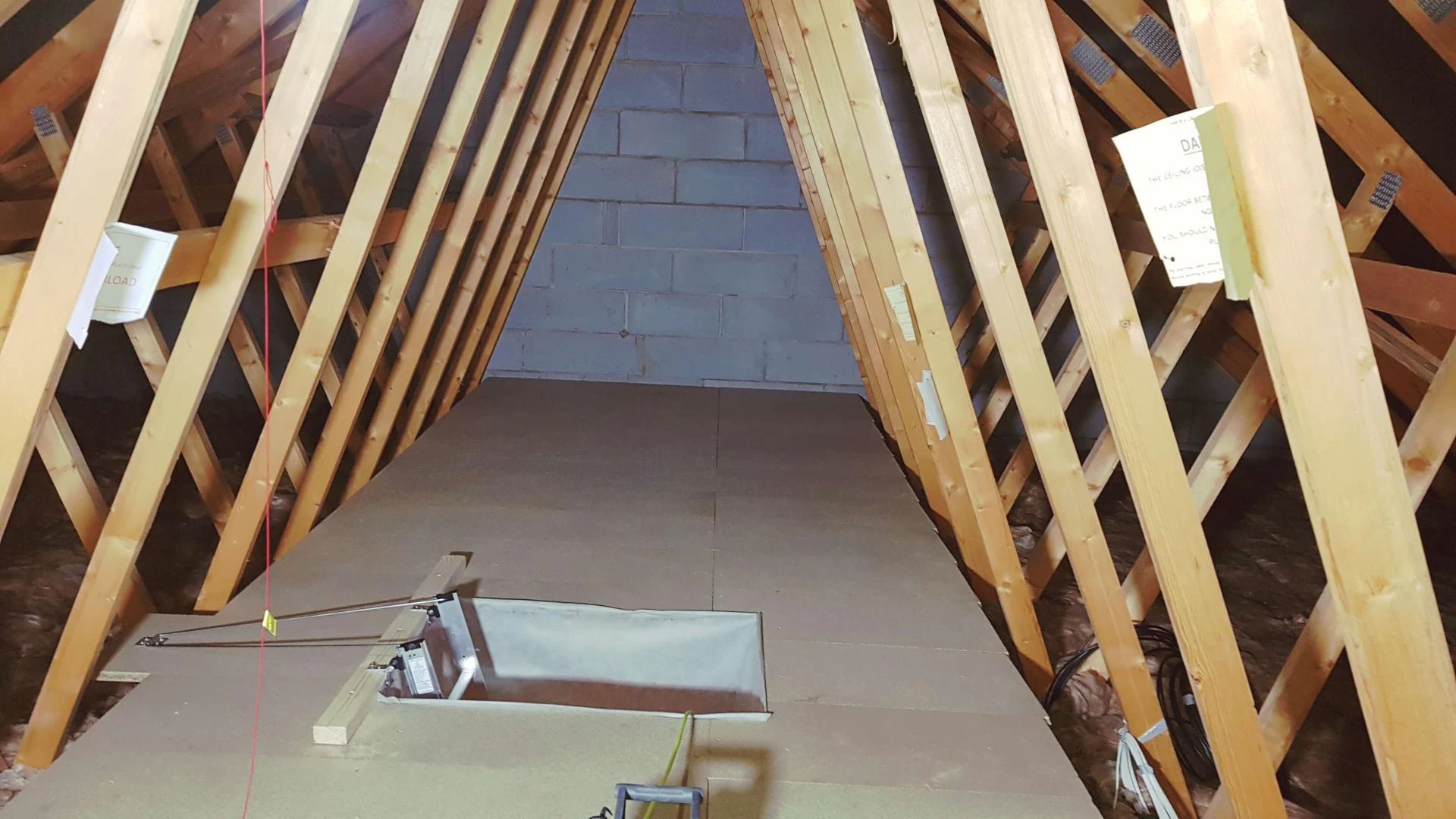
- Loft ladder and hatch fitting
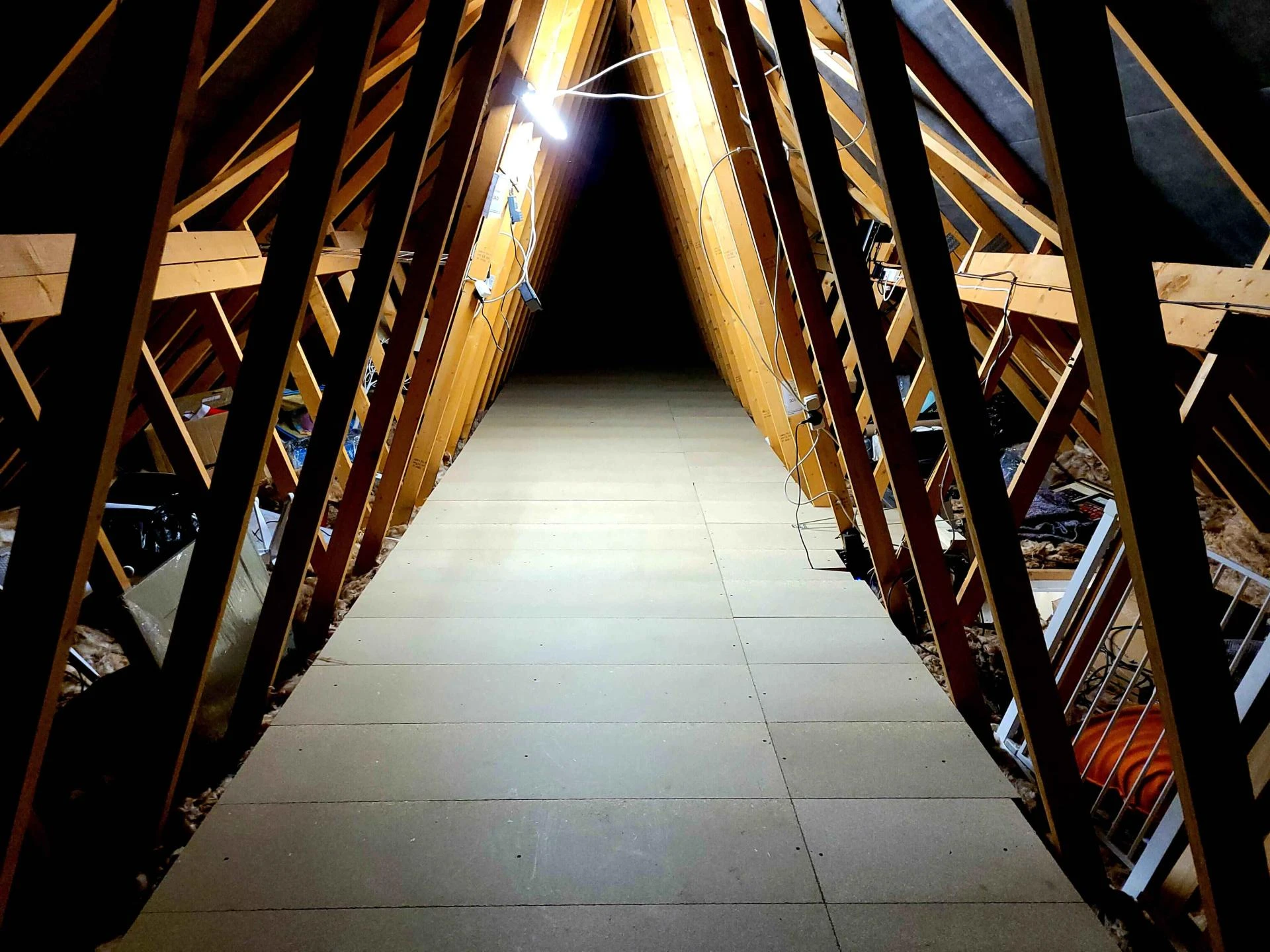
- Lighting installation
- Compliance with building regulations
Key Benefits of Going Pro
1. Expertise and Precision
Professionals have worked on numerous homes—especially in Hampshire—and understand the quirks that different building styles present. Whether it’s a Victorian terraced home or a newer build, they know how to tailor the installation perfectly.
2. Time-Efficiency
What might take a DIY-er an entire weekend or two, a professional team can finish in just a few hours or a day. That’s a huge time-saver, especially for busy households.
3. Safety
Professionals work with proper gear, lighting, and knowledge. They ensure your boards are secure, your insulation remains undisturbed, and your loft access is safe to use.
4. Warranty and Guarantee
Most professional installers offer guarantees on both the materials and the work itself. This provides peace of mind, knowing you're covered if any issues arise.
Potential Drawbacks
- Cost – Hiring professionals will naturally cost more than doing it yourself.
- Less Control – Some homeowners like the creative control DIY offers.
- Scheduling – You’ll need to book in advance, especially with popular services.
Still, for those who want a clean, compliant, and hassle-free outcome, hiring professionals is often well worth the investment.
Understanding Safety and Regulations
Loft boarding might seem like a simple job—but doing it incorrectly can have long-term consequences.
DIY Safety Risks
- Falling through ceiling joists
- Inhaling harmful particles from insulation
- Accidentally covering electrical cables or junction boxes
- Inadequate ventilation leading to condensation and mold
Professional Safety Standards
Certified loft boarding companies follow UK building regulations, ensure ventilation pathways remain clear, and use raised systems that protect insulation. They’re also insured—something that DIY cannot offer.
Energy Efficiency and Insulation Concerns
A common mistake in DIY installations is flattening the insulation to make boards fit flush with the joists. While it may look neat, it dramatically reduces your home’s energy efficiency. Professionals, on the other hand, use raised boarding systems that allow airflow and retain insulation performance.
Preserving insulation is crucial, especially in older Hampshire homes where roof insulation is often your primary barrier against heat loss.
Which Option Is Right for You?
Let’s look at a few decision-making scenarios that can help clarify which route is best for your needs.
DIY Might Be Right If:
- You have prior experience with carpentry or home improvement
- Your loft is small and has no complex layout
- You already own the necessary tools
- You're on a tight budget and have time to spare
Hiring a Pro Might Be Better If:
- You have a larger or irregular-shaped loft
- You want to preserve insulation and energy efficiency
- You're planning to sell or rent your home soon
- You don’t have the tools, time, or physical ability
- You want a professional finish with no guesswork
The Local Advantage: Loft Boarding in Hampshire
When considering loft boarding in Hampshire, using a local company gives you several advantages. Not only are you supporting local tradespeople, but you also benefit from their familiarity with regional housing styles—from Georgian townhouses to rural bungalows.
Local providers often offer quicker site visits, more flexible scheduling, and competitive pricing tailored to Hampshire's market. Many will also have reviews or recommendations from homeowners in your area—making it easier to choose someone reliable.
Final Thoughts
Choosing between DIY and professional loft boarding depends on your confidence, budget, time availability, and expectations. DIY can be satisfying and cost-effective—but it’s not without its risks. Professional services, while more of an investment, deliver reliable results quickly and safely.
If you're based in Hampshire and want peace of mind, better insulation protection, and a professionally finished storage area, hiring a local loft boarding expert might just be the smart choice.
After all, your loft isn’t just an attic. It’s untapped potential waiting to be transformed—whether by your own hands or those of a trusted professional.
Frequently Asked Questions (FAQs)
1. How long does it take to board a loft professionally?
Most standard lofts can be boarded in a single day by an experienced team. More complex layouts or added features like ladders or insulation upgrades may extend the timeline slightly.
2. Is DIY loft boarding safe for a beginner?
Not always. If you’re unfamiliar with tools or loft structures, it can pose safety risks. There’s a danger of damaging insulation, misplacing boards, or even falling through the ceiling. Consider professional help if you're unsure.
3. Can boarding my loft damage insulation?
Yes—especially if boards are laid directly on top of insulation and compress it. This reduces thermal performance. Raised boarding systems, which professionals typically use, help preserve insulation integrity.
4. Do I need planning permission to board my loft?
Generally, no. Loft boarding for storage purposes doesn’t require planning permission. However, converting the loft into a habitable room (e.g., bedroom or office) may involve building regulations and permits.
5. How much does professional loft boarding cost in Hampshire?
Prices vary based on loft size, access, and additional services. While there's no set rate, most homeowners in Hampshire can expect to pay a few hundred pounds for basic boarding, with higher costs for extras like insulation, ladders, or lighting.











Sign in to leave a comment.