
Introduction
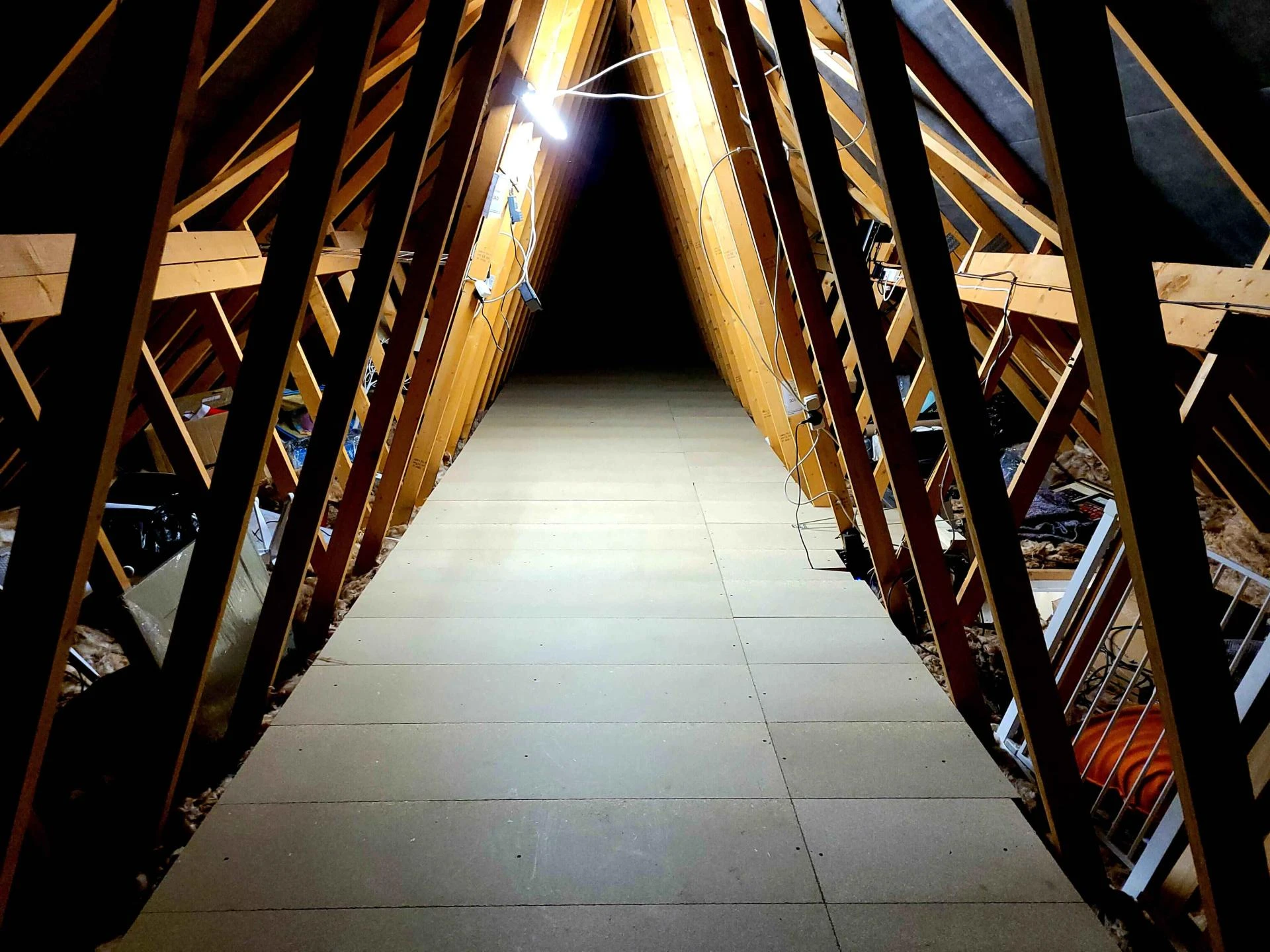
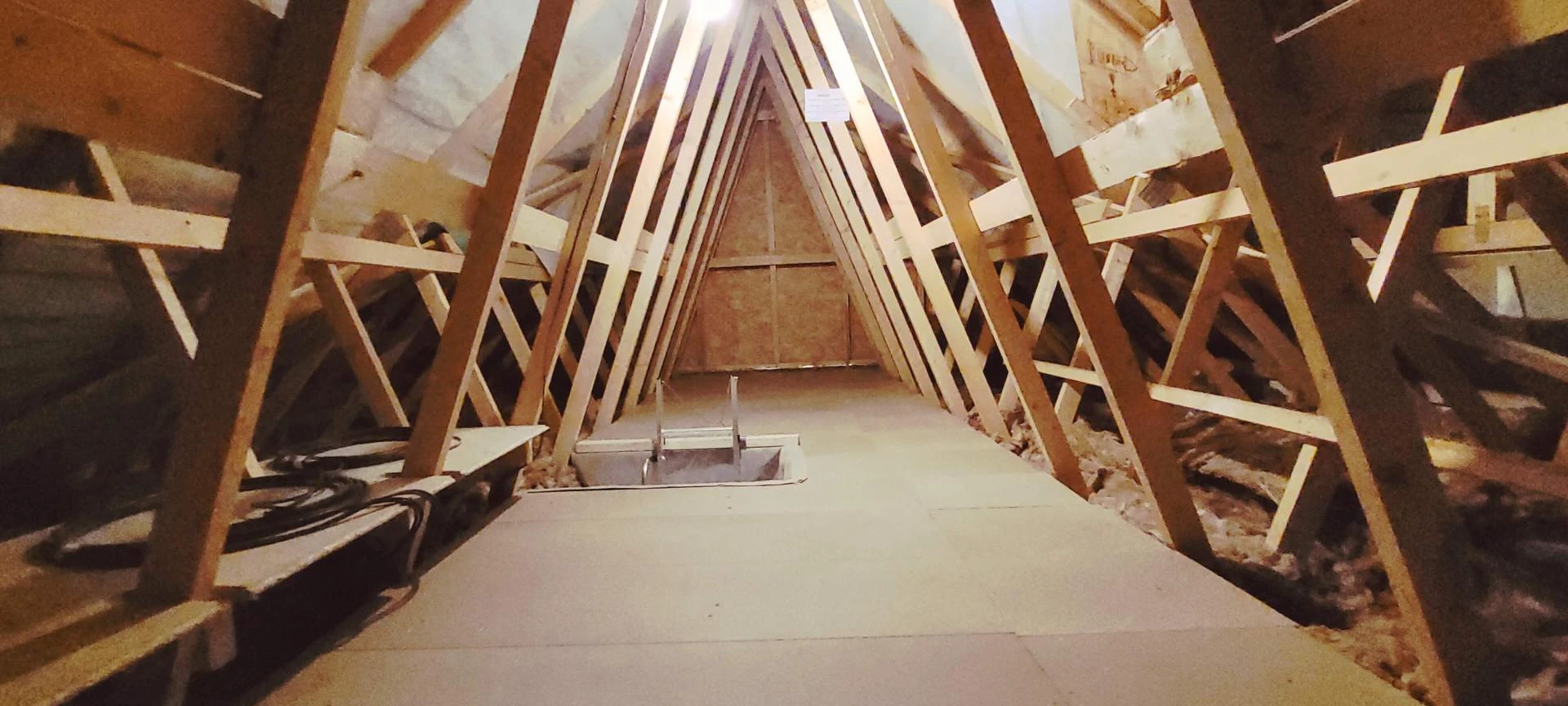
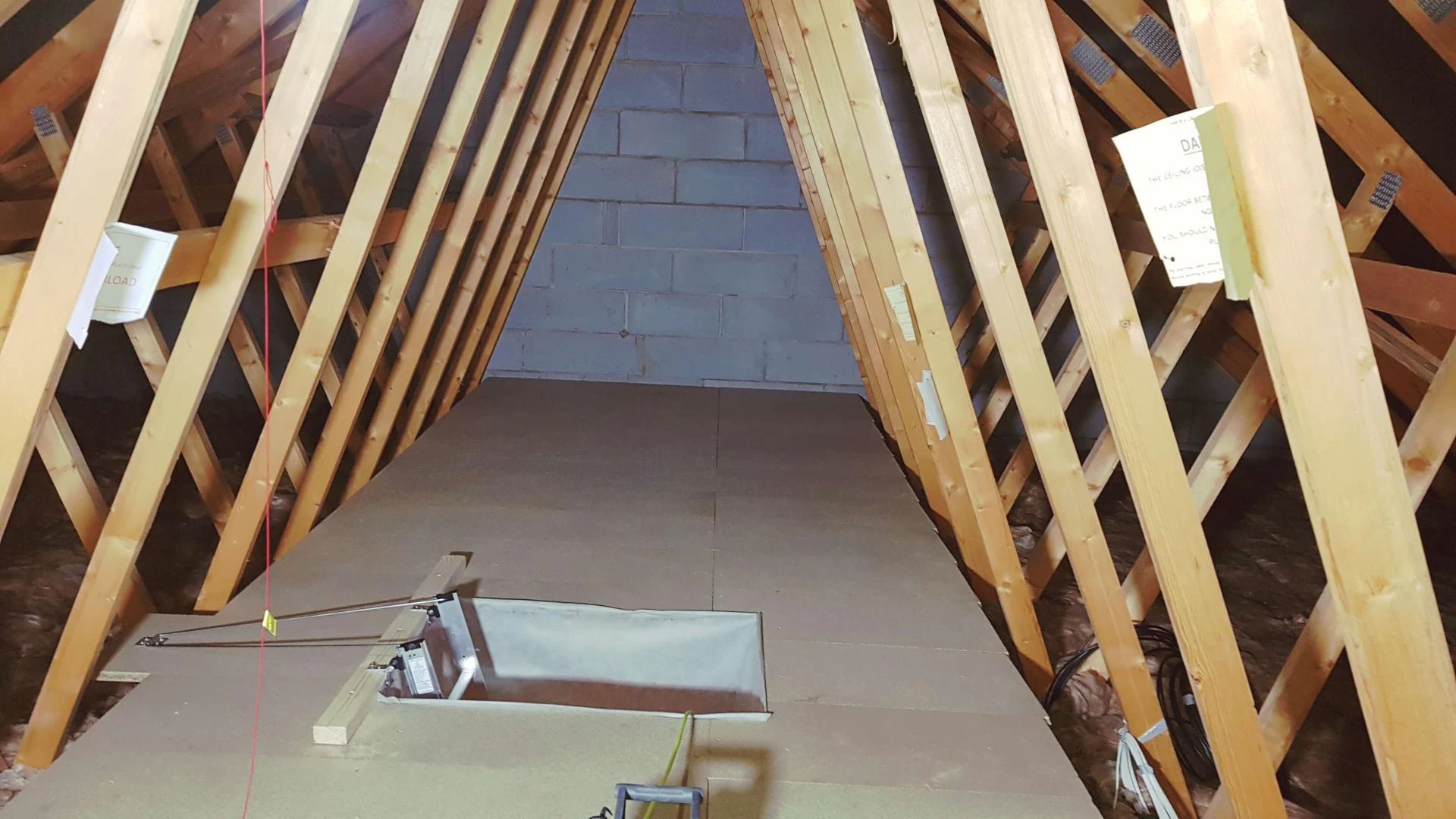
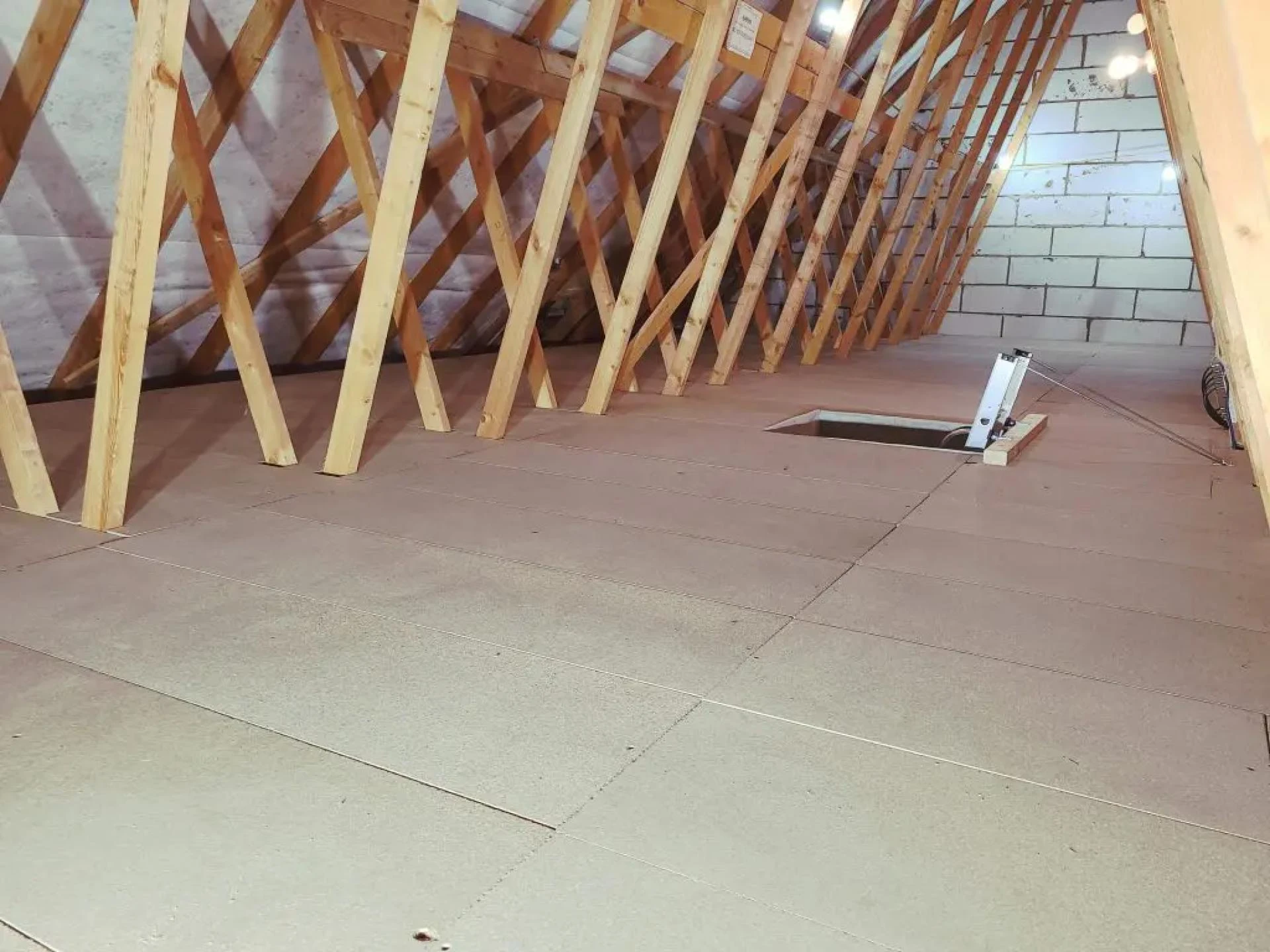
Loft boarding is one of the most practical and cost-effective ways to maximize space in your home. Whether you’re after extra storage or looking to enhance your property’s energy efficiency and value, boarding your loft can bring numerous benefits. However, once you’ve decided to go ahead with this home improvement project, the next big question arises: should you do it yourself or hire a professional?
In this article, we’ll explore the key differences between DIY and professional loft boarding, particularly in the context of Loft Boarding in Manchester, where local expertise and property types can influence your decision. We’ll weigh up the pros and cons of both options and help you determine which route is best for you.
Why Loft Boarding Matters
Before diving into the DIY vs. professional debate, it’s worth understanding why loft boarding is such a valuable project for homeowners.
Benefits of Loft Boarding
- Maximized Storage Space: Turn an empty, dusty loft into a practical storage area.
- Increased Home Value: A well-boarded loft can add resale value.
- Improved Energy Efficiency: Proper insulation combined with boarding can cut energy bills.
- Safety: Reduces the risk of accidents when accessing the loft.
For Manchester homeowners, where housing can range from older terraces to modern builds, loft boarding can solve space constraints in homes with limited storage.
DIY Loft Boarding: What to Expect
What Does DIY Loft Boarding Involve?
DIY loft boarding requires planning, the right tools, and some technical know-how. You’ll be measuring joists, purchasing materials like loft legs, insulation, chipboard panels, and possibly wiring considerations for lighting.
Pros of DIY Loft Boarding
- Cost Savings: You avoid labor costs, which can be significant.
- Flexibility: Work on your own timeline and pace.
- Personal Satisfaction: There’s a sense of pride in completing a home project yourself.
Cons of DIY Loft Boarding
- Time-Consuming: It may take days or even weeks depending on your skill level.
- Safety Risks: Climbing in and out of the loft and handling tools can be hazardous.
- Lack of Warranty: Any errors or future issues are entirely your responsibility.
- Building Regulations: You may not be familiar with local building codes and energy standards.
Is DIY Really Cheaper?
While DIY saves money upfront, mistakes can be costly. If you accidentally damage insulation, joists, or electrical systems, you could end up spending more than hiring a professional.
Professional Loft Boarding: The Expert Advantage
Hiring professionals ensures the job is done efficiently, safely, and in accordance with building regulations.
What Does Professional Loft Boarding Include?
Most companies offering Loft Boarding in Manchester provide:
- A full consultation and survey
- Raised boarding systems to preserve insulation
- High-quality materials and fittings
- Optional extras like ladders, lighting, and hatches
- Warranties on labor and materials
Pros of Hiring a Professional
- Expertise: Professionals know how to handle different loft types.
- Speed: Projects are usually completed within a day or two.
- Safety: Proper risk management and insurance coverage.
- Regulatory Compliance: Ensures boarding meets building regulations.
- Peace of Mind: Warranties and guarantees offer long-term assurance.
Cons of Hiring a Professional
- Higher Initial Cost: Labor charges can be substantial.
- Less Personal Control: You’ll need to work around someone else’s schedule.
- Finding the Right Company: Not all contractors are equally reliable.
Loft Boarding in Manchester: Local Factors to Consider
Manchester presents unique circumstances when it comes to loft boarding.
Typical Manchester Homes
The city has a mix of Victorian and Edwardian terraces, 1930s semis, and contemporary homes. Older properties may have:
- Narrow or uneven joists
- Outdated insulation
- Low head height
- Wiring or plumbing routes in the loft
Weather and Insulation
Given the city’s damp and chilly climate, insulation is key. A professional will understand the importance of maintaining thermal efficiency when boarding over insulation, particularly in compliance with UK building regulations.
Professional Networks
There are several trusted companies offering Loft Boarding in Manchester with excellent local reviews and years of experience in dealing with a variety of house types.
Cost Comparison: DIY vs. Professional
Let’s break down an estimated cost comparison.
DIY Costs
- Loft Boards (chipboard): £100–£200
- Insulation (if replacing): £100–£300
- Tools & Safety Gear: £50–£150
- Loft Legs or Raised System: £100–£200
- Ladder & Hatch (optional): £150–£300
Total DIY Cost Estimate: £500–£1,000
Professional Costs
- Survey and Installation: £800–£1,500
- Optional Upgrades (ladder, lighting): +£300–£500
- VAT and warranty typically included
Total Professional Cost Estimate: £1,200–£2,000
While DIY might seem cheaper, consider the value of time, tools you may never use again, and the potential risk of errors.
Time and Effort Involved
DIY Time Commitment
- Research and planning: 5–10 hours
- Purchasing materials: 1–2 hours
- Installation: 15–25 hours
- Clean-up and corrections: 5+ hours
Total Time: 25–40+ hours
Professional Time Commitment
- Consultation: 1 hour
- Installation: 1–2 days (8–12 hours)
- No cleanup or follow-up stress
For busy homeowners, hiring a pro is often a no-brainer.
Tools & Skills Needed for DIY
Unless you’re a seasoned DIYer, you’ll need:
- Circular saw or jigsaw
- Cordless drill
- Screwdrivers, tape measure, hammer
- Safety gear (gloves, goggles, mask)
- Knowledge of joist spacing and insulation best practices
If you're unfamiliar with power tools or carpentry, hiring a professional might be the safer option.
Building Regulations and Safety
UK building regulations must be followed when boarding a loft. Some key points include:
- Insulation depth: Must not be compressed under boards.
- Ventilation: Poor airflow can cause condensation and mold.
- Load-bearing: Joists must support added weight.
- Electrical safety: Cabling must remain accessible.
Professionals are trained to handle these nuances—DIYers risk non-compliance which can affect resale or insurance.
The Middle Ground: Hybrid Approach
Some homeowners choose a hybrid approach:
- Hire a pro for structural and insulation work
- Do finishing touches (painting, labeling storage, organizing) themselves
This approach balances cost savings with professional reliability.
So, Which Should You Choose?
Choose DIY If:
- You have solid DIY skills and experience
- Your loft is simple, dry, and easy to access
- You're on a tight budget
- You’re comfortable taking your time
Choose Professional If:
- Your home is older or has complex roof/joist structures
- You want peace of mind and regulatory compliance
- You're short on time or tools
- You plan to sell or rent the property later
Conclusion
Both DIY and professional loft boarding have their merits. It ultimately comes down to your budget, confidence, and the complexity of your home. If you’re in Manchester, choosing a reputable expert for Loft Boarding in Manchester ensures that your investment is safe, efficient, and compliant with UK standards.
Whatever path you take, loft boarding is a smart move to improve your home’s functionality and value. Just be sure to plan carefully, prioritize safety, and think long-term.
Frequently Asked Questions
1. Is loft boarding a good investment?
Yes, it can significantly increase storage space and even boost your home’s value. It also improves insulation if done properly.
2. Can I walk on a boarded loft?
Only if it’s been properly boarded over structural joists or raised loft legs. Walking on poorly boarded areas is dangerous.
3. How long does professional loft boarding take?
Most standard lofts can be completed in 1–2 days, depending on size and complexity.
4. Do I need planning permission to board my loft?
Generally, no. But it must comply with building regulations, especially regarding insulation and structural support.
5. What’s the biggest risk of DIY loft boarding?
Damaging insulation, causing structural issues, or creating safety hazards like tripping or electrical risks are common pitfalls.








Sign in to leave a comment.