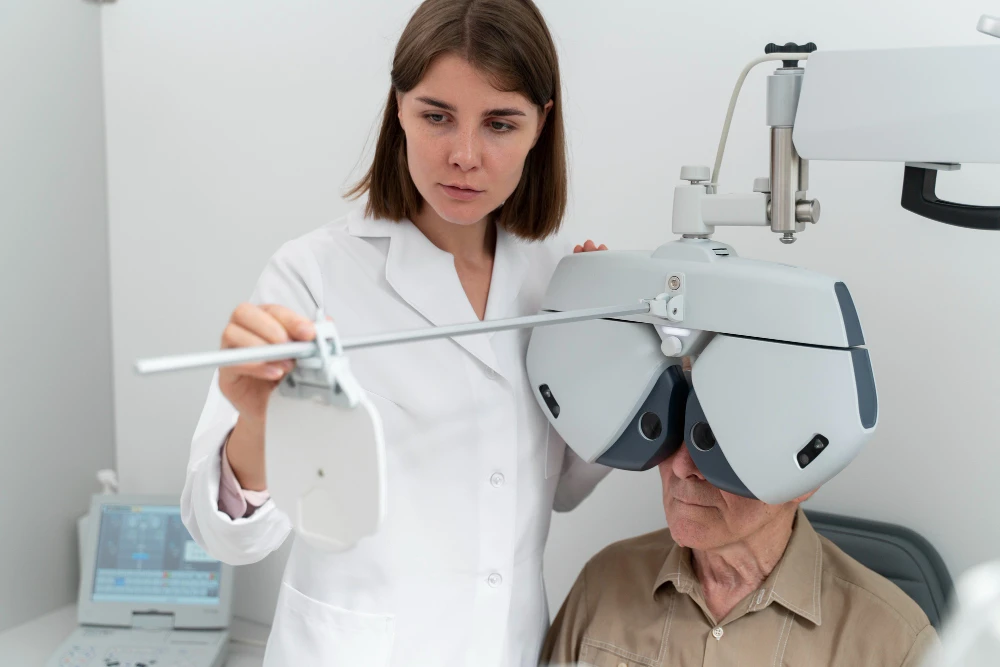

Diabetic retinopathy is one of the leading causes of vision loss among people with diabetes, yet many patients delay seeing the right eye care professional. If you have diabetes and notice changes in your vision, consulting a diabetic retinopathy specialist Tampa residents trust can make a critical difference in protecting your eyesight and long-term eye health.
This guide explains when you need a specialist, the symptoms to watch for, the tests involved, and how expert care improves outcomes.
What Is Diabetic Retinopathy?
Diabetic retinopathy is a diabetes-related eye condition that damages the blood vessels of the retina. Over time, high blood sugar levels weaken these vessels, causing them to leak, swell, or close off completely. In advanced stages, abnormal new blood vessels can grow, leading to severe vision loss or blindness if untreated.
Early stages may not cause noticeable symptoms, which is why proactive, specialist-led care is essential.
When Should You See a Diabetic Retinopathy Specialist?
While general eye exams are important, a diabetic retinopathy specialist has advanced training in diagnosing and treating retinal diseases related to diabetes. You should consider seeing a specialist if:
- You’ve had diabetes for several years
- Your blood sugar levels are difficult to control
- You’ve been told you have retinal changes
- You notice new or worsening vision problems
Patients in and around Tampa often benefit from early referral to a specialist who can monitor subtle retinal changes before they become vision-threatening.
Common Symptoms You Shouldn’t Ignore
Diabetic retinopathy can progress silently. However, as the condition advances, symptoms may include:
- Blurred or fluctuating vision
- Dark spots or floaters
- Difficulty seeing at night
- Faded or distorted colors
- Sudden vision loss in one or both eyes
Any of these signs warrant prompt evaluation by a specialist.
Diagnostic Tests Used by Specialists
A diabetic retinopathy specialist uses advanced imaging and diagnostic tools to assess retinal health accurately. These tests help detect damage early and guide personalized treatment.
Common tests include:
- Comprehensive dilated eye examination
- Retinal photography to document changes
- Optical coherence tomography (OCT) to measure retinal swelling
- Fluorescein angiography to evaluate blood flow and leakage
These tests allow specialists to detect problems long before vision loss becomes permanent.
Treatment Options and Ongoing Care
Treatment depends on the stage and severity of diabetic retinopathy. A specialist creates a customized care plan focused on preserving vision and preventing progression.
Treatment approaches may include:
- Careful monitoring in early stages
- Injectable medications to reduce swelling and abnormal vessel growth
- Laser therapy to seal leaking blood vessels
- Surgical procedures for advanced cases
Equally important is collaboration with your primary care doctor or endocrinologist to control blood sugar, blood pressure, and cholesterol.
Why Specialist Care Matters?
Seeing a diabetic retinopathy specialist offers clear advantages:
- Advanced expertise in retinal diseases
- Access to the latest diagnostic technology
- Evidence-based, personalized treatment plans
- Early intervention that reduces the risk of vision loss
Specialist care aligns by emphasizing experience, medical expertise, clinical authority, and patient-centered trust.
Wrapping Up
Diabetic retinopathy doesn’t have to lead to vision loss—especially when detected and managed early. Understanding symptoms, undergoing regular testing, and working with a qualified specialist are key steps in safeguarding your eyesight.
If you have diabetes and concerns about your vision, consulting a trusted diabetic retinopathy specialist can help you maintain clear vision and quality of life for years to come. Early action today can prevent irreversible eye damage tomorrow.














Sign in to leave a comment.