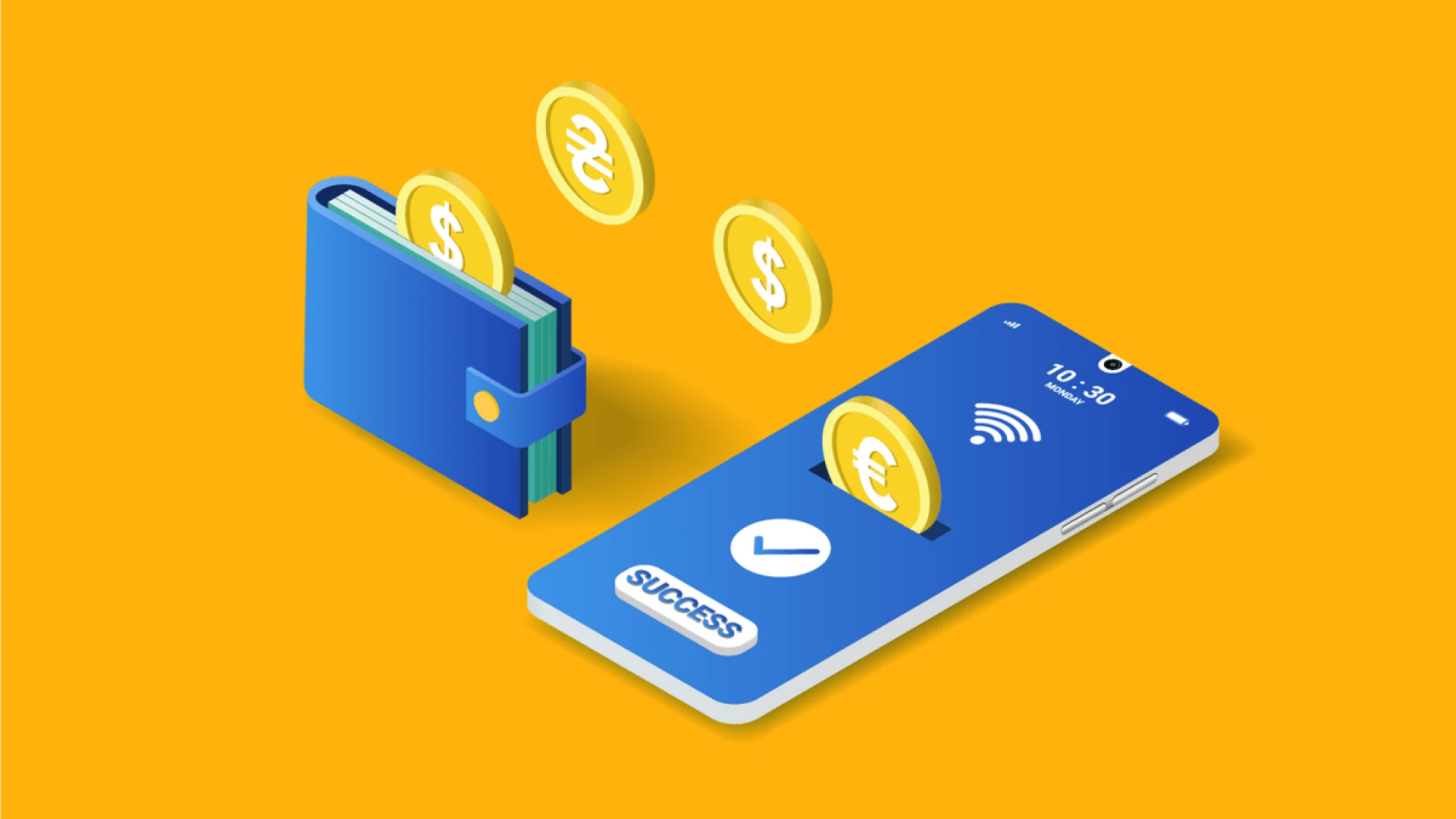

In the digital age, financial transactions have evolved dramatically. Among the innovations, E Money tokens stand out as a transformative force. These digital assets are reshaping the way we handle money, offering secure, efficient, and versatile solutions for a wide range of financial activities. This article delves into the essence of E Money tokens, their benefits, and their impact on the financial landscape.
What Are E Money Tokens?
E Money tokens are a type of digital currency that represents monetary value stored electronically. Unlike cryptocurrencies such as Bitcoin or Ethereum, which operate on decentralized networks, E Money tokens are typically issued by regulated financial institutions or entities. They are designed to mirror the value of fiat currencies, like the US dollar or the euro, ensuring stability and trust.
How Do E Money Tokens Work?
The functioning of E Money tokens involves several key steps:
1. Issuance: A regulated financial institution or a licensed e-money issuer creates the tokens, backing them with an equivalent amount of fiat currency.
2. Storage: These tokens are stored in digital wallets, which can be accessed via smartphones, computers, or other digital devices.
3. Transactions: Users can transfer tokens to others, make purchases, or convert them back into fiat currency. Each transaction is recorded on a digital ledger, ensuring transparency and security.
4. Regulation: E Money tokens are subject to financial regulations, providing an additional layer of security and trust compared to unregulated digital currencies.
Benefits of E Money Tokens
E Money tokens offer a myriad of benefits that make them an attractive alternative to traditional financial methods:
1. Speed and Efficiency: Transactions with E Money tokens are typically faster than traditional bank transfers, especially for cross-border payments. This speed enhances business operations and reduces waiting times for consumers.
2. Lower Costs: By eliminating intermediaries, E Money tokens can reduce transaction fees, making them a cost-effective solution for both individuals and businesses.
3. Security: Advanced encryption and blockchain technology ensure that transactions are secure, reducing the risk of fraud and hacking.
4. Accessibility: E Money tokens provide financial services to unbanked populations, enabling them to participate in the digital economy.
5. Transparency: The digital ledger records all transactions, offering transparency and traceability that help in fraud prevention and financial management.
Impact on Financial Transactions
E Money tokens are revolutionizing financial transactions in several ways:
1. Global Payments: They facilitate seamless cross-border payments, reducing the complexities and costs associated with international transactions.
2. Micropayments: E Money tokens enable efficient processing of micropayments, which are often impractical with traditional financial systems due to high fees.
3. Financial Inclusion: By providing access to digital financial services, E Money tokens help bridge the gap for the unbanked and underbanked populations.
4. Innovation in Financial Services: The rise of E Money tokens is driving innovation in the financial sector, leading to new services and business models that enhance customer experience.
Regulatory Considerations
While E Money tokens offer numerous advantages, they also pose regulatory challenges. Regulators must ensure that these digital assets comply with existing financial laws and prevent misuse for illegal activities. Key regulatory considerations include:
1. Anti-Money Laundering (AML) and Know Your Customer (KYC) Compliance: Issuers of E Money tokens must implement robust AML and KYC measures to prevent fraud and money laundering.
2. Consumer Protection: Regulatory frameworks must protect consumers from potential risks associated with digital transactions, including loss of funds and data breaches.
3. Financial Stability: Regulators need to monitor the impact of E Money tokens on financial stability, ensuring that their adoption does not undermine the traditional banking system.
Future Outlook
The future of E Money tokens looks promising as they continue to gain acceptance and integration into the financial ecosystem. Key trends to watch include:
1. Increased Adoption: As more businesses and consumers recognize the benefits of E Money tokens, their adoption is expected to grow, driving further innovation in the financial sector.
2. Integration with Emerging Technologies: The combination of E Money tokens with technologies like blockchain, artificial intelligence, and the Internet of Things (IoT) will create new possibilities for financial services and transactions.
3. Enhanced Regulatory Frameworks: As the market for E Money tokens evolves, regulatory frameworks will adapt to ensure they are secure, transparent, and beneficial for all stakeholders.
Conclusion
E Money token is revolutionizing financial transactions by offering a secure, efficient, and accessible alternative to traditional banking methods. Their ability to streamline payments, reduce costs, and enhance financial inclusion makes them a powerful tool in the digital economy. As technology advances and regulatory frameworks evolve, the adoption and impact of E Money tokens are set to grow, transforming the future of finance.











Sign in to leave a comment.