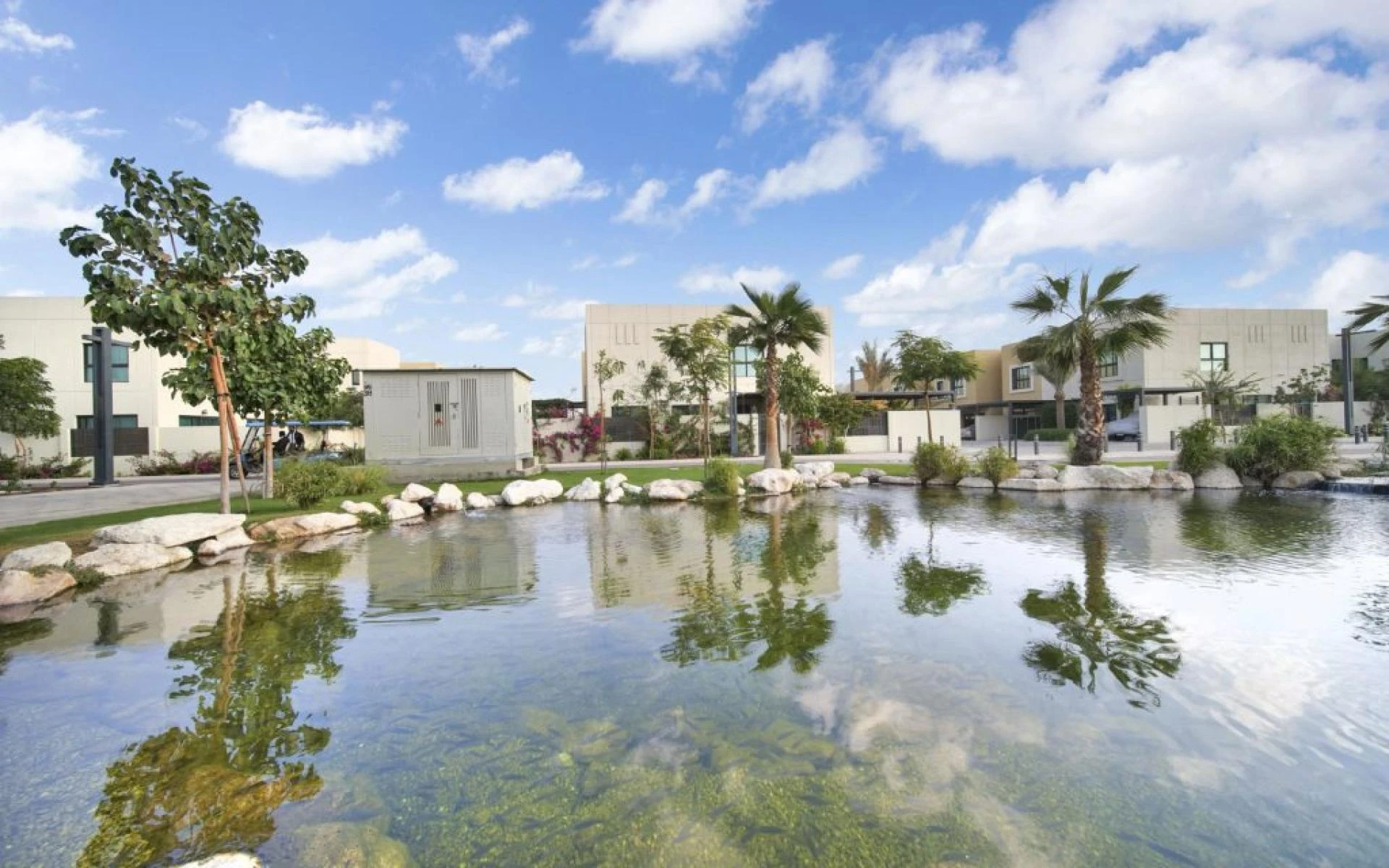
Creating and maintaining an eco pond is a rewarding way to bring natural beauty to your property while supporting local wildlife and the environment. Unlike traditional swimming pools that rely heavily on chemicals, an eco pond uses natural processes to maintain water quality, making it a sustainable alternative for homeowners seeking an environmentally conscious water feature. Whether you're maintaining natural swimming ponds or a decorative water garden, these eco-friendly maintenance tips will help keep your pond thriving year-round.
Understanding Your Eco Pond Ecosystem
An eco pond functions as a self-sustaining ecosystem where plants, beneficial bacteria, and natural filtration work together to keep water clean and clear. The key to successful maintenance is supporting these natural processes rather than fighting against them. Unlike conventional swimming pool maintenance service approaches that depend on chlorine and harsh chemicals, eco pond care focuses on balance and biodiversity.
Essential Maintenance Practices
Water Quality Management
Regular water testing is crucial for maintaining a healthy eco pond. Monitor pH levels, ammonia, and nitrate concentrations monthly to ensure optimal conditions for aquatic life and plants. The ideal pH range for most natural swimming ponds is between 6.5 and 8.5. If levels drift outside this range, natural amendments like crushed limestone or peat moss can help restore balance without introducing harmful chemicals.
Plant Care and Trimming
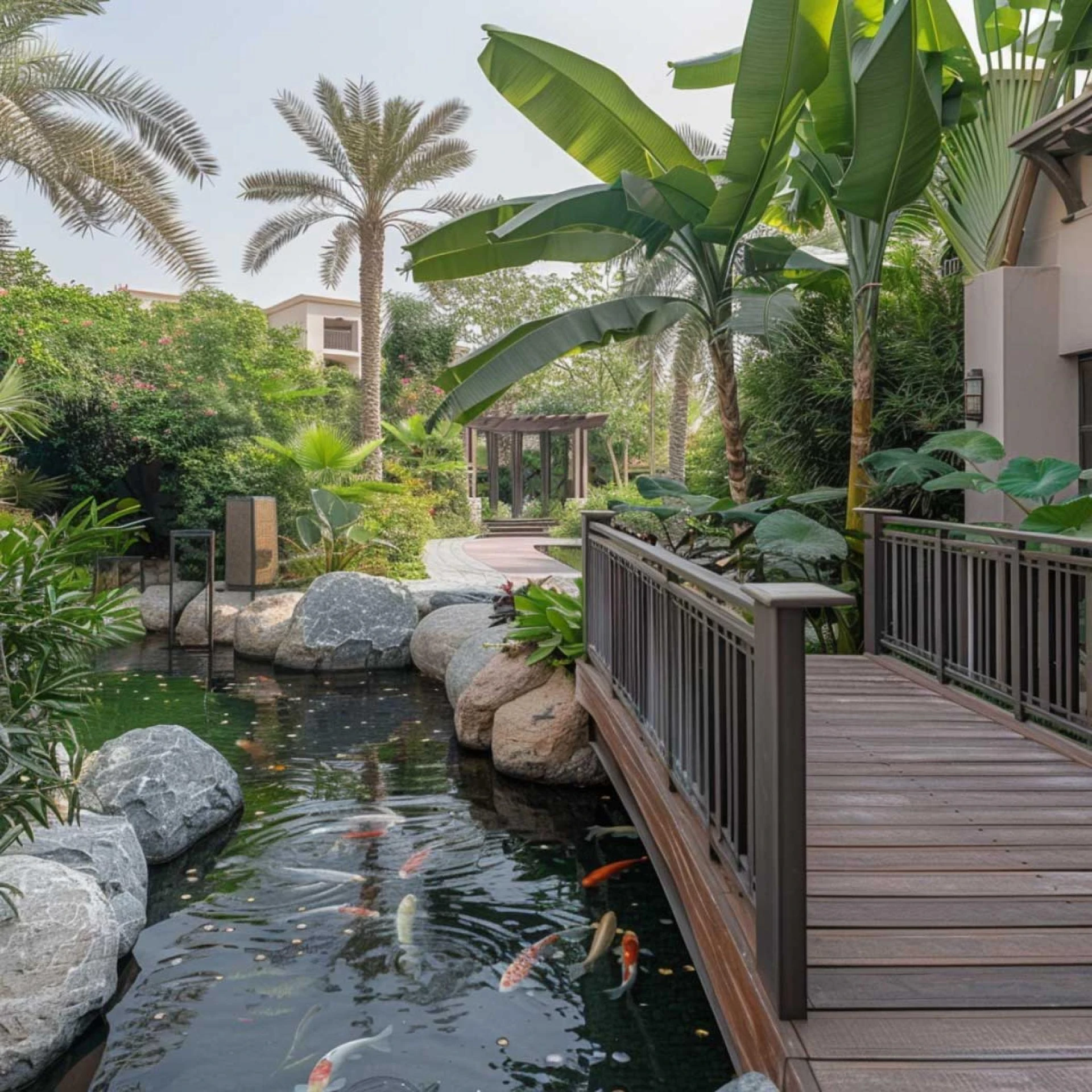
Aquatic plants are the backbone of any eco pond system, serving as natural filters that remove excess nutrients and provide oxygen. Regularly trim dead or overgrown vegetation to prevent decomposition in the water, which can lead to algae blooms. Submerged plants like hornwort and water milfoil should be thinned periodically, while marginal plants need trimming before winter to prevent organic matter buildup.
Debris Removal
Fallen leaves, twigs, and other organic debris can accumulate quickly, especially during autumn. Use a pond skimmer daily during peak leaf-fall season and remove debris from the bottom with a pond vacuum monthly. This prevents nutrient overload that feeds unwanted algae growth and maintains water clarity in your natural swimming ponds.
Beneficial Bacteria Supplementation
Adding beneficial bacteria supplements helps break down organic waste and maintains the biological balance in your eco pond. These microorganisms consume harmful ammonia and nitrites, converting them into less toxic compounds. Apply bacteria treatments monthly during warmer months when biological activity is highest.
Seasonal Maintenance Considerations
Spring: Remove winter debris, divide overgrown plants, and gradually restart pumps and filtration systems. This is the ideal time to add new aquatic plants.
Summer: Monitor water levels during hot weather and top up as needed. Increase aeration if temperatures rise significantly, as warm water holds less oxygen.
Autumn: Install netting to catch falling leaves, trim back dying vegetation, and prepare plants for winter dormancy.
Winter: Reduce feeding if you have fish, maintain a hole in ice for gas exchange, and run de-icers in extreme cold to protect aquatic life.
Professional Support When Needed
While eco ponds are designed to be low-maintenance, complex issues sometimes require professional expertise. If you experience persistent water quality problems, excessive algae growth, or equipment malfunctions, consulting with specialists can save time and prevent costly mistakes.
Aqualivin offers comprehensive swimming pool maintenance service expertise that extends to eco pond systems. Their team understands the unique requirements of natural swimming ponds and can provide tailored solutions that maintain your pond's ecological balance while ensuring it remains a beautiful, functional water feature. From system design consultations to ongoing maintenance support, Aqualivin helps you enjoy all the benefits of sustainable pond ownership without the hassle.
Frequently Asked Questions
Q: How often should I clean my eco pond?
A: Unlike traditional pools requiring constant chemical treatment, eco ponds need minimal intervention. Perform weekly skimming, monthly debris removal from the bottom, and seasonal deep maintenance.
Q: Can I swim in my eco pond year-round?
A: Swimming season depends on your climate and pond design. Natural swimming ponds are typically comfortable from late spring through early fall when water temperatures exceed 65°F.
Q: What's the difference between maintaining an eco pond versus traditional pool maintenance?
A: Traditional swimming pool maintenance service relies on chemical sanitizers, regular shocking, and frequent pH adjustments. Eco ponds use biological filtration, aquatic plants, and beneficial bacteria instead of chemicals.






Sign in to leave a comment.