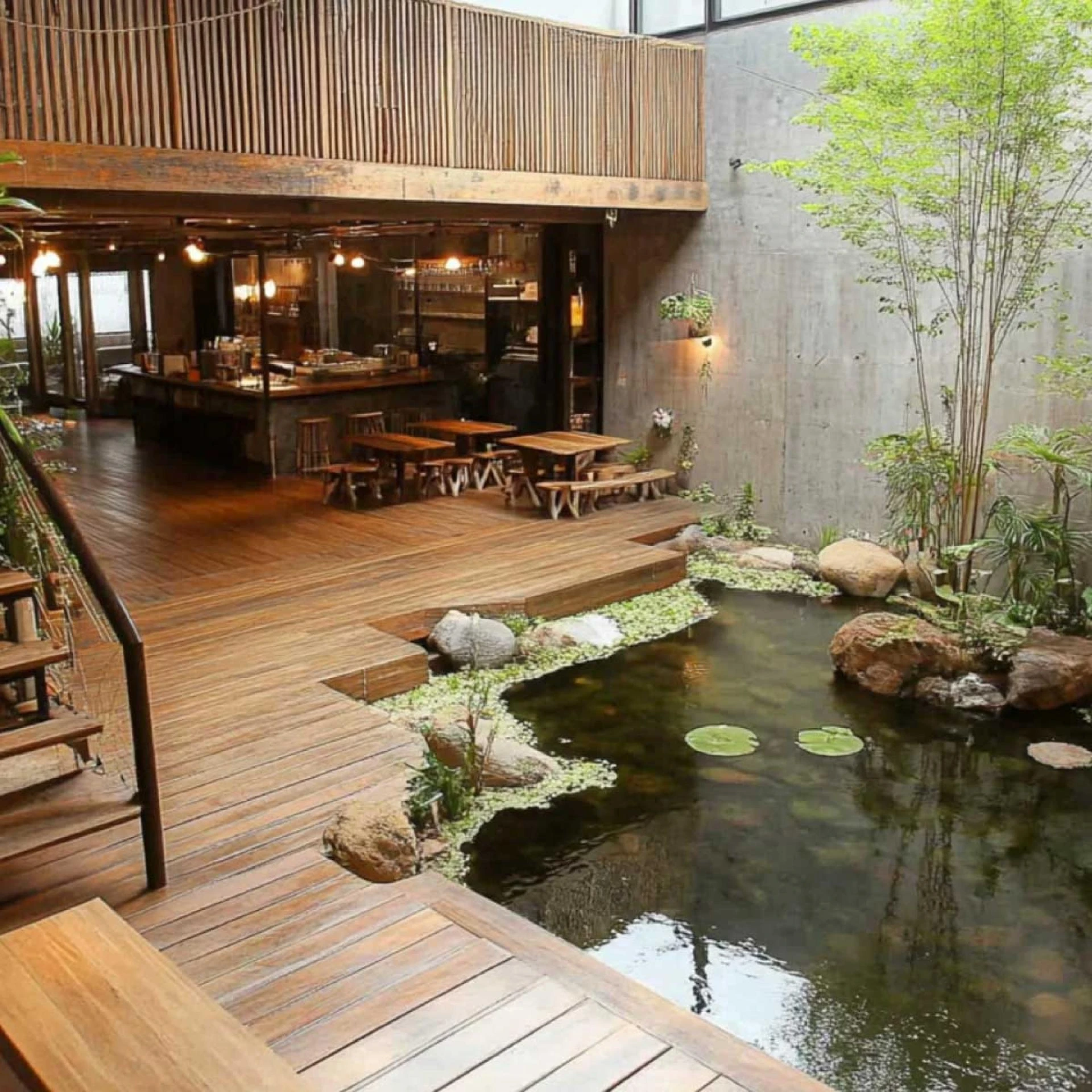
In recent years, homeowners, resorts, and developers have started exploring more sustainable ways to design outdoor water features. One option gaining popularity is the eco pond—a natural, environmentally friendly alternative to conventional ponds. While traditional ponds are often decorative and require chemical maintenance, eco ponds focus on sustainability, natural filtration, and ecological balance.
If you're considering adding a pond to your landscape, understanding the difference between these two options can help you make the right choice.
What Is an Eco Pond?
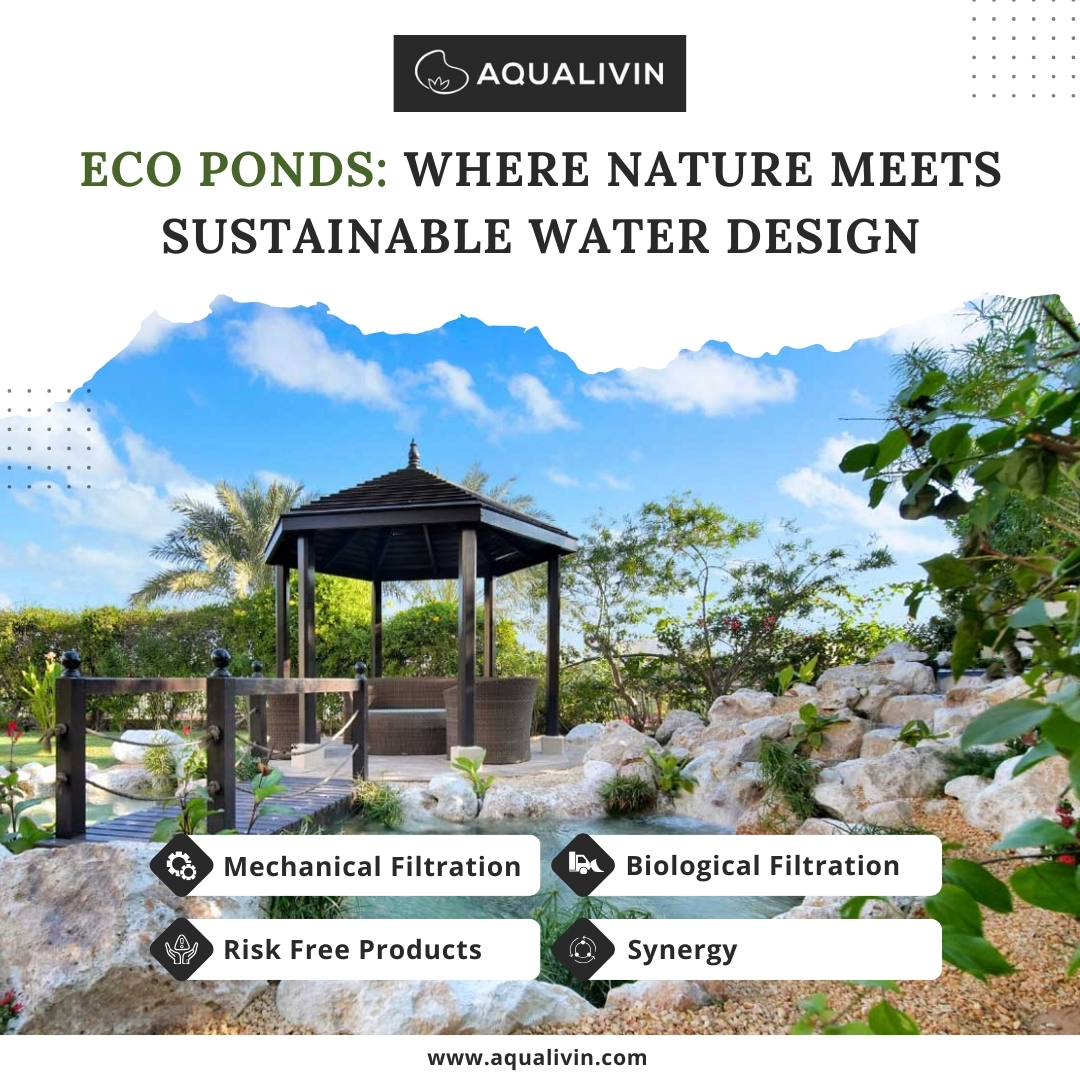
An eco pond is designed to mimic natural aquatic ecosystems. Instead of relying on chemicals or heavy filtration systems, eco ponds use plants, beneficial bacteria, and natural water circulation to keep the water clean and balanced.
These ponds often feature aquatic plants, biological filters, and gravel beds that naturally purify water. The goal is to create a living ecosystem where fish, plants, and microorganisms work together to maintain water quality.
Eco ponds are commonly used for recreation, swimming, or relaxation while maintaining a minimal environmental footprint.
How Traditional Ponds Work
Traditional ponds are usually ornamental water features designed primarily for aesthetics. They often rely on pumps, artificial filters, and chemical treatments to control algae and maintain water clarity.
While traditional ponds can look beautiful, they typically require regular maintenance, including chemical treatments, cleaning, and mechanical filtration. This can increase long-term costs and environmental impact.
In contrast, an eco pond reduces reliance on chemicals and mechanical systems by allowing nature to do most of the work.
Key Differences Between Eco Ponds and Traditional Ponds
1. Natural Filtration System
The biggest difference is how water is cleaned. An eco pond uses natural filtration through plants and beneficial microorganisms. Traditional ponds rely heavily on artificial filters and chemicals.
2. Environmental Impact
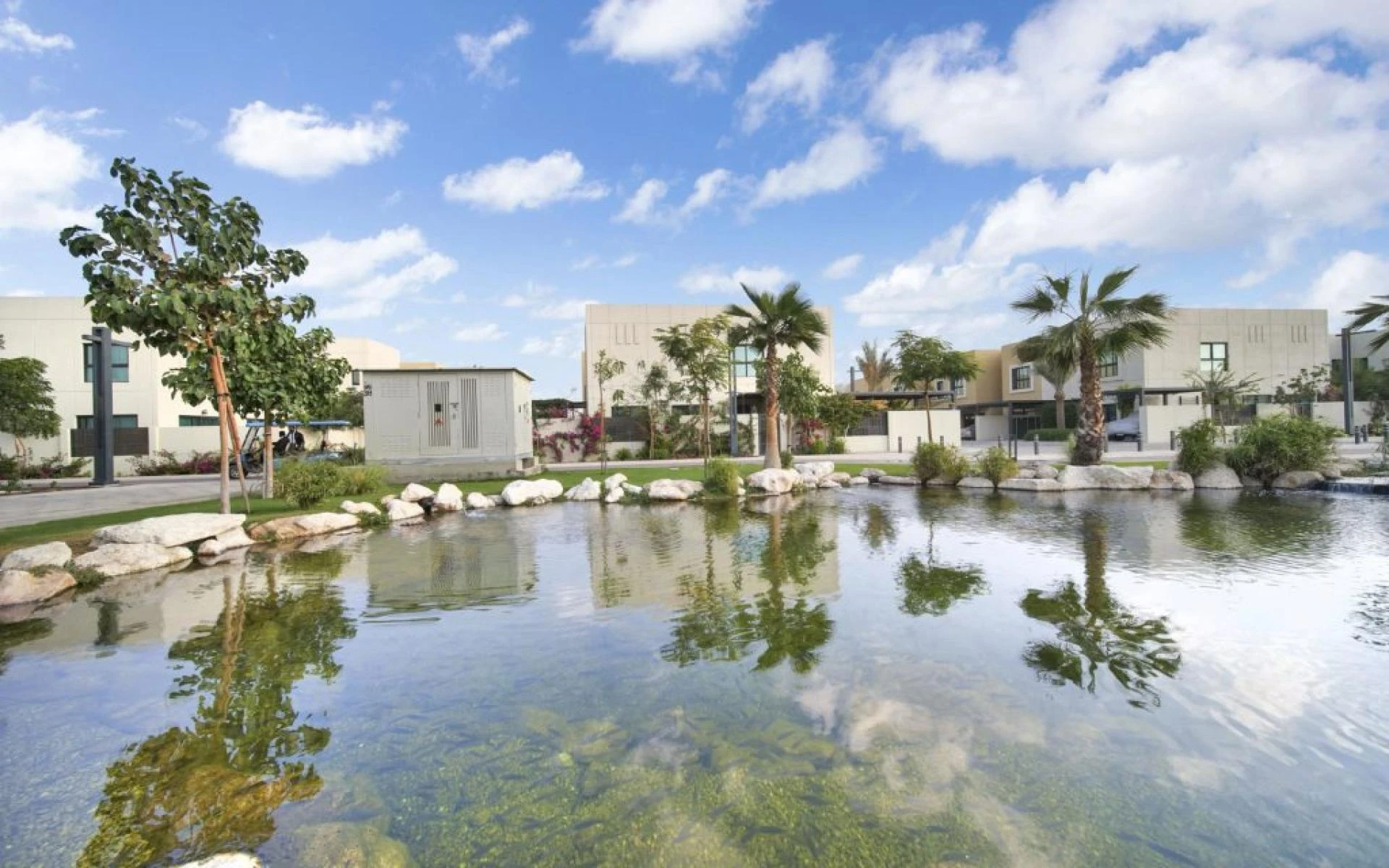
Eco ponds are designed to support biodiversity and reduce environmental harm. They attract birds, butterflies, and aquatic life. Traditional ponds rarely support such ecosystems because of chemical treatments.
3. Recreational Use
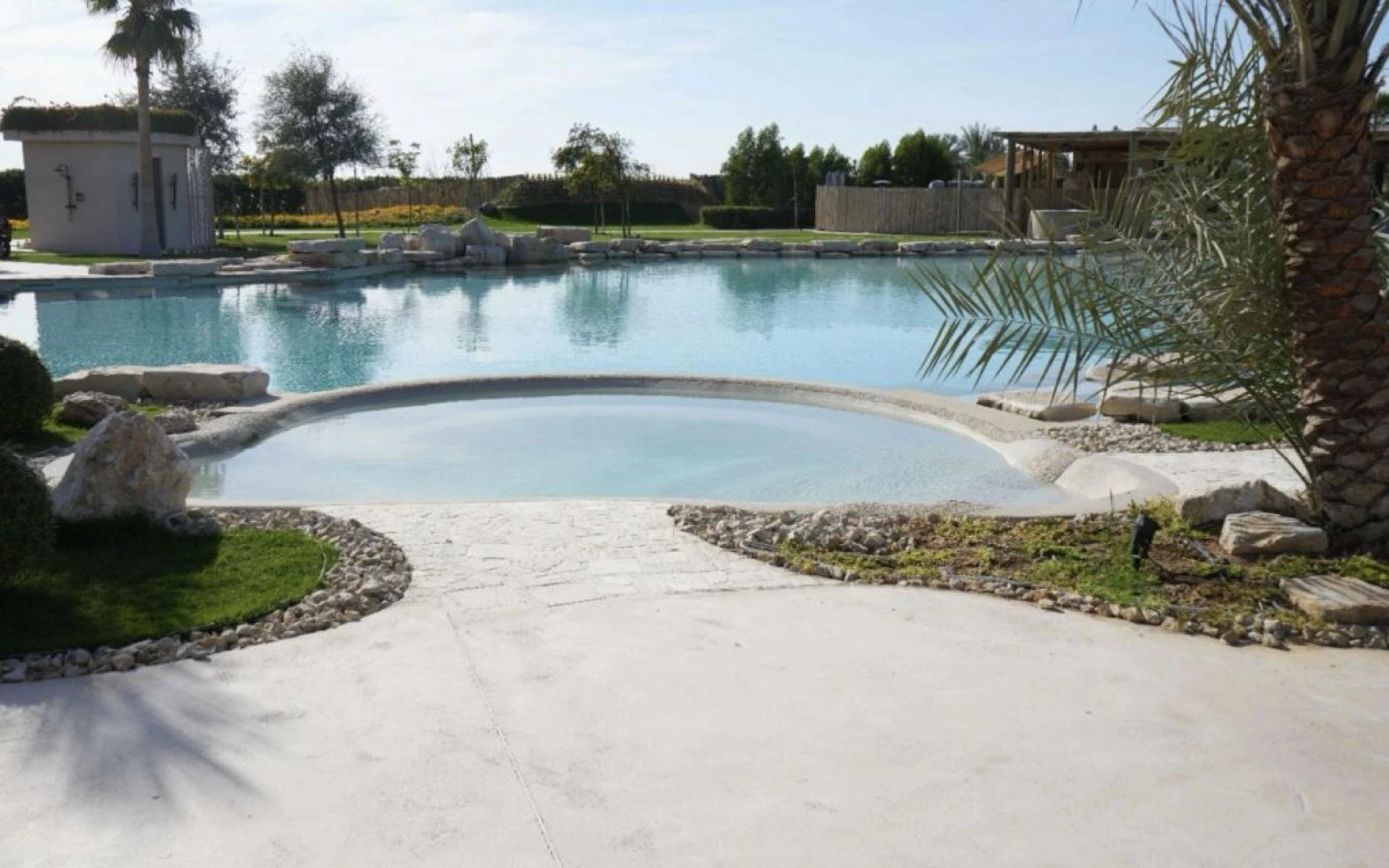
Many eco ponds are designed for swimming and relaxation, offering a natural swimming experience similar to a lake. Traditional ponds are usually decorative and not intended for swimming.
4. Maintenance Requirements
Eco ponds generally require less chemical maintenance, though they do require occasional plant care and monitoring. Traditional ponds often demand more frequent cleaning and chemical balancing.
5. Aesthetic Appeal
Eco ponds blend seamlessly into natural landscapes. They often feature rocks, plants, and natural edges that mimic natural lakes. Traditional ponds may have more formal shapes and artificial elements.
Why Eco Ponds Are Becoming Popular
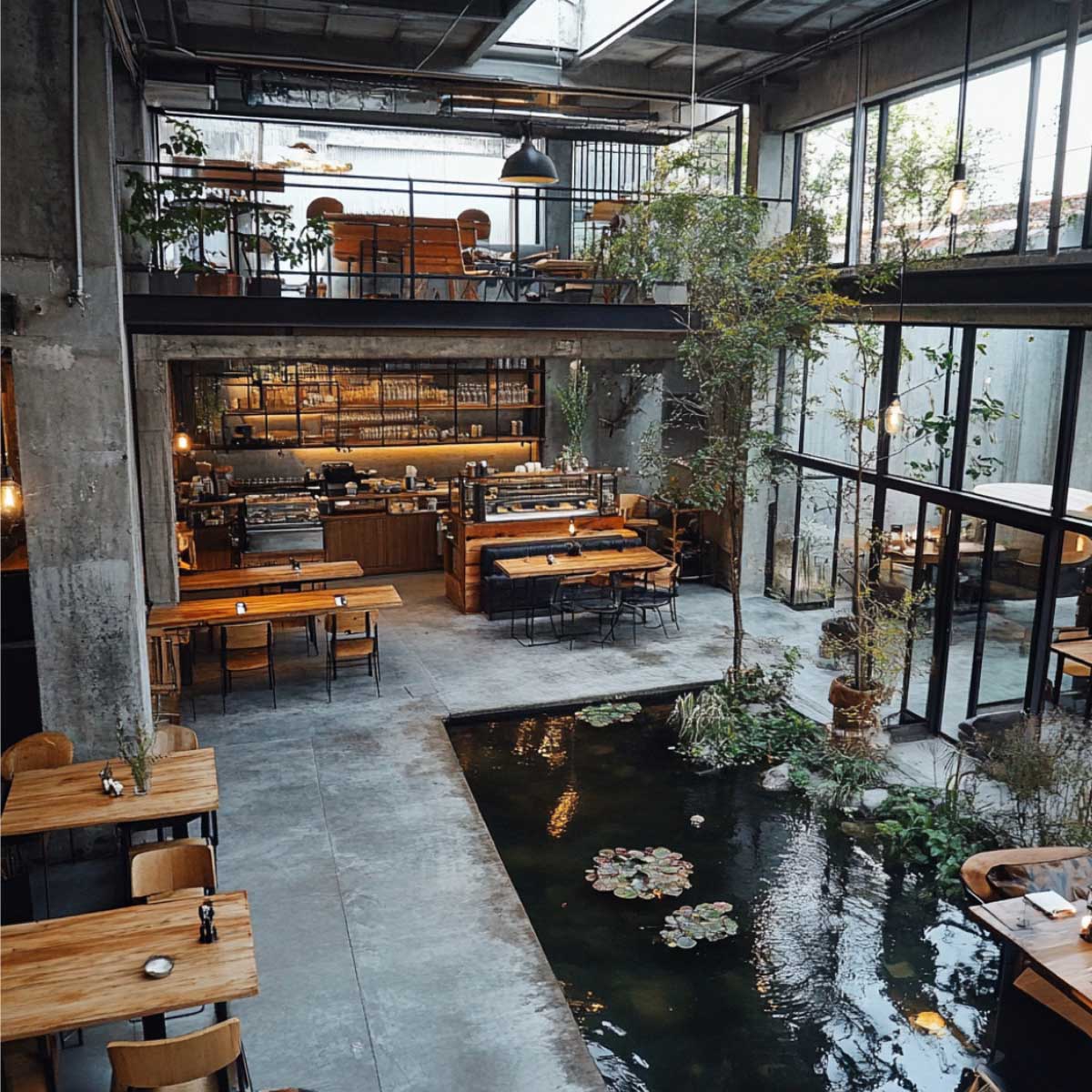
As sustainability becomes a priority in modern landscaping, more property owners are choosing eco-friendly water features. Eco ponds reduce chemical use, support wildlife, and provide a relaxing natural environment.
In regions with warm climates, these ponds also offer a refreshing alternative to traditional pools. Many recreational ponds companies in Dubai are now incorporating eco-friendly pond designs into residential communities, resorts, and wellness spaces.
If you’re planning a natural water feature that blends beauty with sustainability, an eco pond could be the perfect solution. Companies like Aqualivin specialize in designing eco-friendly water systems that combine modern engineering with nature-inspired design, creating ponds that are both functional and environmentally responsible.
FAQs
1. What is the main purpose of an eco pond?
An eco pond is designed to create a natural ecosystem where plants and beneficial bacteria filter the water, reducing the need for chemicals while supporting aquatic life.
2. Are eco ponds suitable for swimming?
Yes, many eco ponds are built as natural swimming ponds. They provide a clean, chemical-free swimming experience using natural filtration systems.
3. Do eco ponds require maintenance?
Eco ponds still require maintenance, such as trimming plants and monitoring water balance, but they typically require fewer chemicals and less mechanical upkeep than traditional ponds.












Sign in to leave a comment.