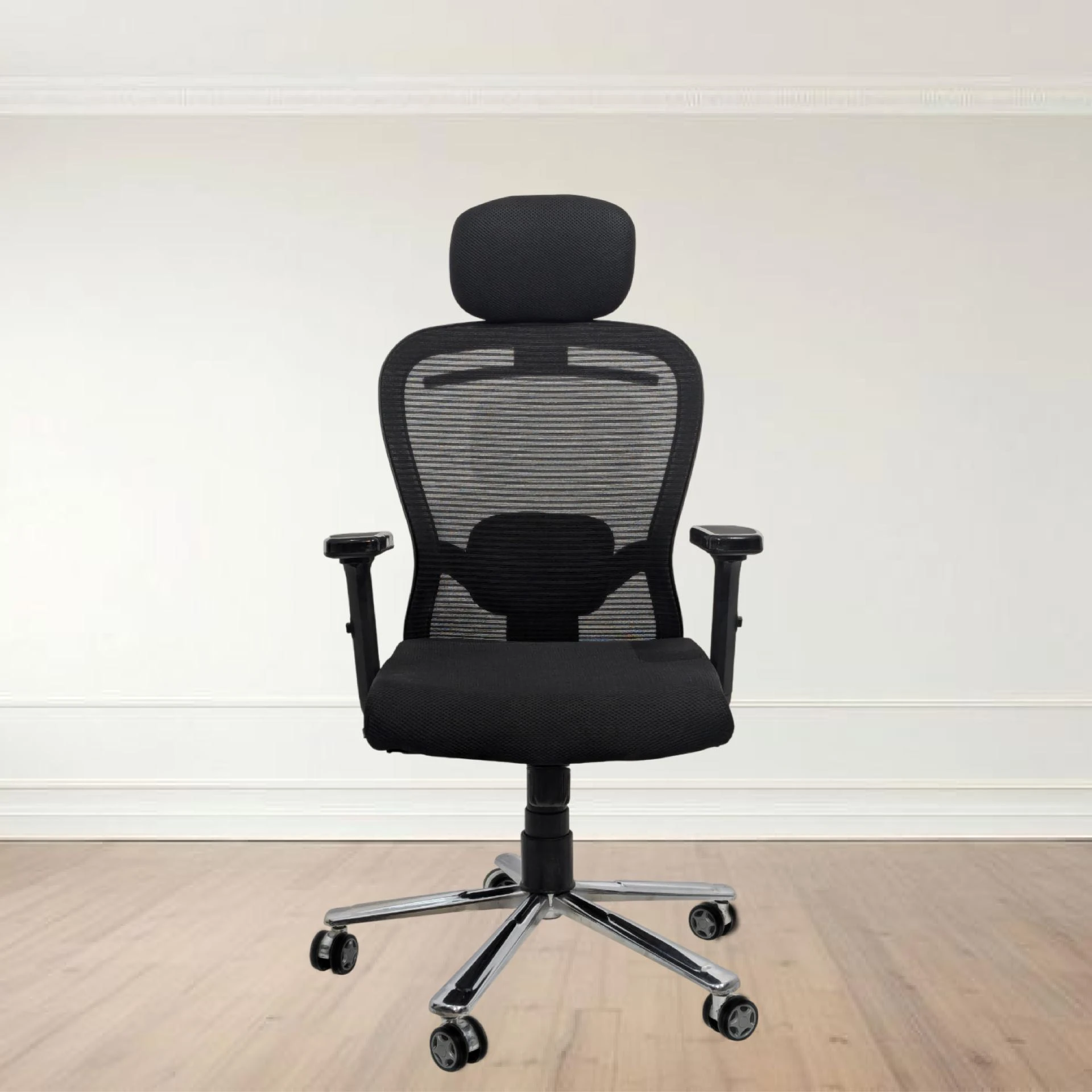

Sitting has become the default posture for knowledge work, and the consequences are both immediate and cumulative. Prolonged poor seating contributes to persistent neck pain, lower back strain and decreased concentration, which in turn erode productivity and job satisfaction. Health authorities and occupational safety experts have long highlighted the connection between sedentary work and musculoskeletal disorders, and trending research since the rise of remote work shows that employees who invest in ergonomically designed seating report fewer aches and better sustained focus. Choosing the right chair is no longer a boutique preference; it is a pragmatic investment in human capital and daily performance.
Ergonomics goes beyond a comfortable cushion. It’s about engineered support that respects the human spine’s curves, enables dynamic micro-movements and reduces static loading on muscles. A poorly designed seat forces the body into compensatory positions that accelerate fatigue and create hotspots of discomfort. By contrast, the best office chair provides adjustable, targeted support so that your body remains aligned over hours of concentrated work. This alignment reduces the onset of pain, but equally important, it preserves energy and mental clarity—variables that translate directly into better work output and fewer interruptions throughout the day.
Core Features That Define the Best Office Chair for Long Hours
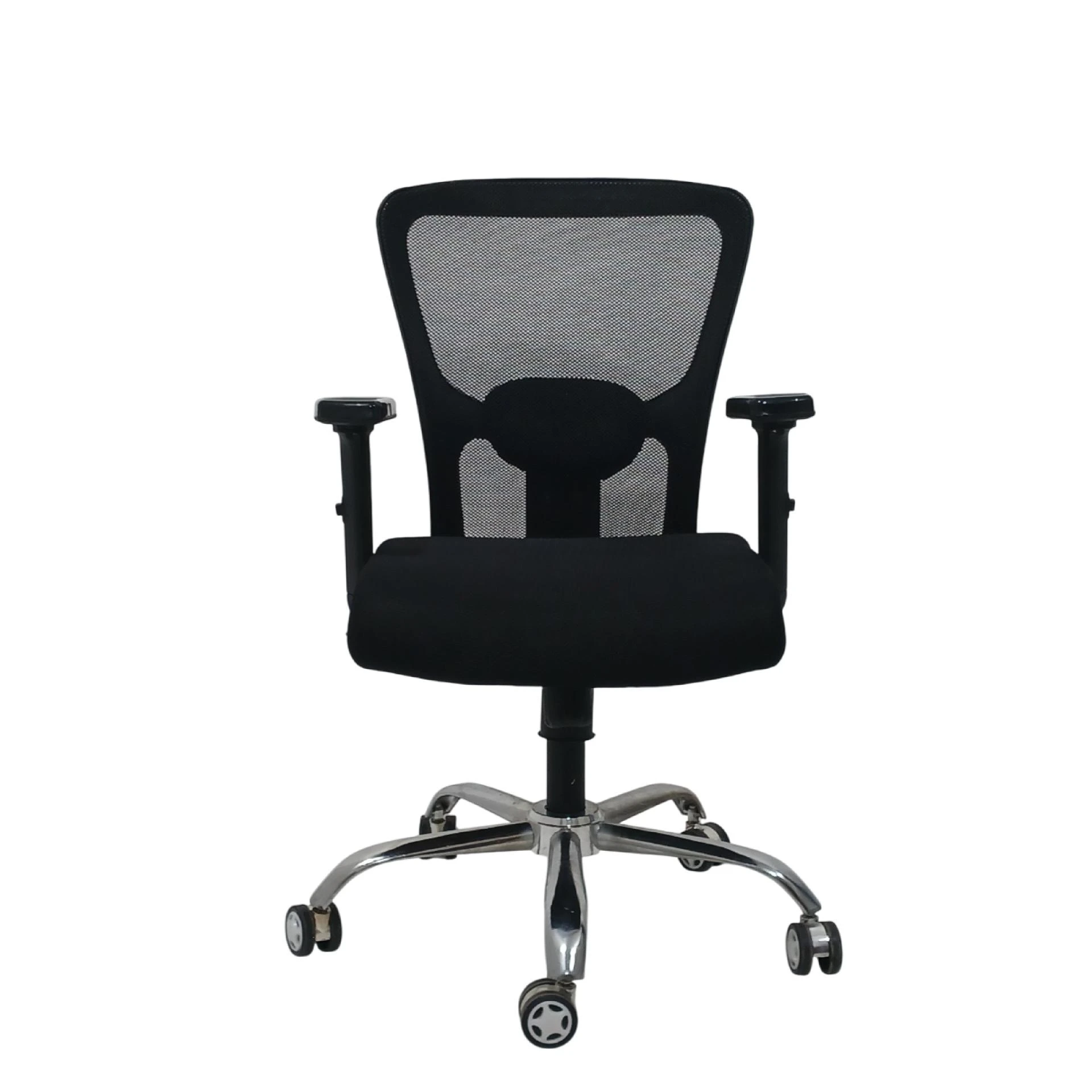
When you evaluate options, prioritize chairs that combine firm engineering with thoughtful adjustability. A contoured lumbar support—preferably adjustable in height and depth—prevents the pelvis from tilting posteriorly and keeps the spinal segments stacked naturally. The seat pan should offer sufficient width and depth, and a waterfall front to reduce pressure at the back of the thighs; high-density foam or resilient mesh that balances comfort with long-term shape retention delivers the best compromise between plushness and support. Tilt mechanisms that provide lockable recline positions and synchronised movement encourage occasional leaning while keeping the lumbar engaged, which relieves static load on the lower back.
Armrests are more than arm props; they determine shoulder position and neck tension. Look for armrests with multiple degrees of freedom—height, width and pivot adjustments—so the elbows can rest lightly at roughly ninety degrees without elevating the shoulders. Base stability and caster selection matter for safety and fluid movement across floor surfaces; a sturdy, five-point base and high-quality casters prevent wobble and allow you to shift tasks without awkward reaching. Materials and finish are silent communicators of durability: breathable mesh for hotter climates, durable upholstery for heavy daily use, and corrosion-resistant mechanisms that promise longevity. Collectively these features create the ergonomic architecture that supports hours of focused work.
How to Set Up Your Chair for Maximum Comfort and Productivity
Even the best office chair will underperform if it’s not set up correctly. The height should allow feet to rest flat on the floor or on a footrest, with knees at approximately hip level; a seat that’s too high compresses the underside of the thighs, while one that’s too low increases lumbar flexion. Seat depth matters because it influences how well the lumbar support engages: sit back so your lower back presses into the lumbar curve while leaving a small gap—about two to three finger widths—between the seat edge and the back of your knees. The backrest angle should be set so you can type and read with your elbows at a 90-degree angle and your upper arms relaxed.
Micro-adjustments are where the real gains appear. Small changes to the tilt tension and lumbar position over a workweek reveal a personalised sweet spot that reduces tension and improves endurance. It is also essential to use the chair dynamically: stand and stretch periodically, alternate between upright and slightly reclined postures, and avoid locking the spine in one position for hours on end. These setup habits convert a static object into an active tool for wellbeing, minimizing the physical toll of long work sessions and allowing mental resilience to remain high throughout the day.
Scientific and Market Trends That Support Investing in Ergonomic Chairs
Research and workplace surveys consistently demonstrate that ergonomic interventions reduce musculoskeletal complaints and support sustained office performance. Health education platforms emphasise that ergonomic seating can be part of a broader preventive strategy against chronic back pain, and occupational safety guidelines endorse adjustable workstations as effective risk mitigation. Market trends following the global shift toward hybrid and remote work have pushed demand for high-quality home-office solutions, and manufacturers are responding with more ergonomically tuned designs that pack professional features into affordable price points. This convergence of science and market choice makes it easier than ever to find the best office chair that delivers measurable health and productivity benefits.
Beyond individual health advantages, decision-makers in organisations notice bottom-line impacts: fewer sick days, improved employee engagement and lower long-term ergonomic claims. Ergonomic seating is no longer a niche expense; it has become a strategic component of employee wellness programs. As workplace design places greater emphasis on productivity per square foot and talent retention, the chair is recognized as a fulcrum for both comfort and performance.
Matching Chair Types to Real-World Needs
Different work styles and body types require different ergonomic priorities. For professionals who spend prolonged hours in focused tasks—software developers, editors or analysts—chairs with robust lumbar adjustability, synchronous tilt and breathable seats enable long bouts of attention without discomfort. Managers and executives often value high-back designs with headrests and plush cushioning to combine support with an authoritative aesthetic for meetings and video calls. Students and compact-space workers benefit from compact ergonomic designs that provide core support and flexibility while fitting into tighter desk arrangements. Gamers or creative professionals who alternate between intense sprints and breaks might prefer recline functions that allow temporary relaxation without sacrificing spinal support.
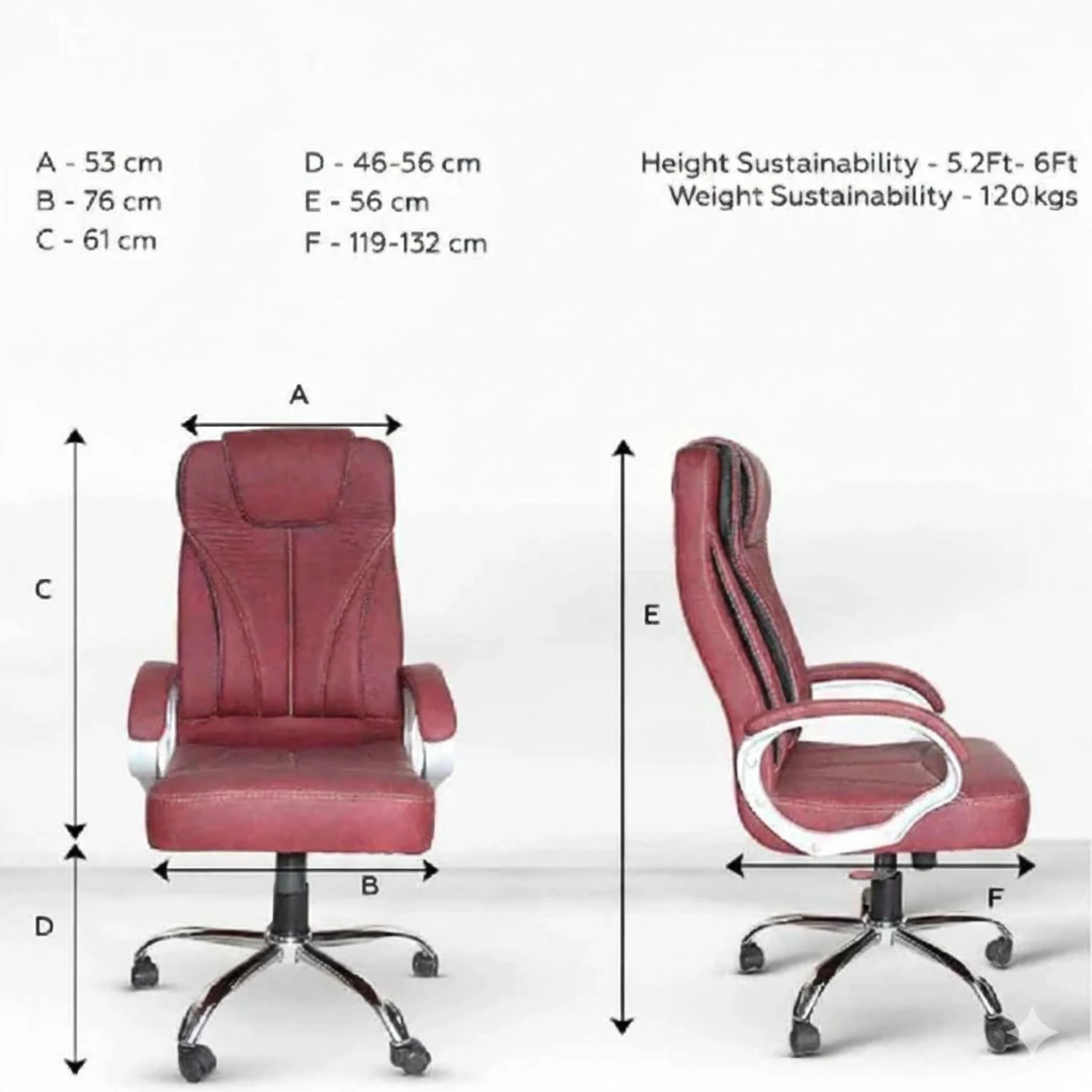
Choosing the right category depends on workflow and duration. If the workday stretches beyond six hours, prioritise adjustability and durable mechanisms; if the chair will serve multiple users, choose a heavy-duty construction with a higher weight capacity and broader range of adjustment. The best office chair is not a single model but the one that aligns with how the seat will be used, the user’s body morphology and the environment in which it resides.
Maintenance, Warranty and Long-Term Value
A lasting relationship with an office chair depends on routine maintenance and transparent warranty terms. Regular cleaning of upholstery, periodic lubrication of moving parts when specified by the manufacturer, and inspection of casters prolong the life of the chair and preserve the original ergonomic performance. A robust warranty covering the mechanism, gas lift and structural components gives consumers confidence that the chair is a long-term investment rather than a recurring expense. When comparing options, weigh the initial cost against expected lifespan, warranty coverage and the chair's replaceable or serviceable parts. Spending a bit more up-front on a model with a proven warranty and durable materials often results in lower total cost of ownership and better sustained support for daily workloads.
A chair that loses recline function, collapses or experiences fabric degradation within a year is a false economy. Conversely, a well built seat with serviceable components and a clear manufacturer commitment will deliver comfort for years, making the purchase an asset to both personal wellbeing and organisational ergonomics budgets.
Practical Purchase Roadmap and Decision Signals
When narrowing choices, test for authentic adjustability rather than cosmetic features. A chair that advertises many adjustments but delivers little real movement is inferior to a simpler design with meaningful range. Seek independent reviews and ergonomics guides that validate performance; when possible, trial the chair for a few days to learn whether its adjustments map to your body’s needs. Look for specific technical specs—gas lift class, mechanism type, foam density and recommended weight capacity—because these specifications correlate with durability and suitability for prolonged use.
Finally, consider return policies and delivery timelines. Free trial periods and transparent return logistics reduce purchase friction and ensure you can adapt if the chosen model does not meet expectations. The best office chair is validated not only by spec sheets but by how it performs in your daily workflow.
Conclusion — Where to Begin Your Ergonomic Upgrade
Investing in ergonomics is a practical and measurable way to reclaim comfort, sustain productivity and protect long-term health. When you prioritise adjustable lumbar support, proper tilt mechanisms and materials suited to your climate and workload, you equip yourself to work longer hours with less fatigue and greater clarity. Industry guidance from occupational health authorities and the proliferation of purpose-built designs mean that the perfect balance of comfort and function is within reach for most budgets.










Sign in to leave a comment.