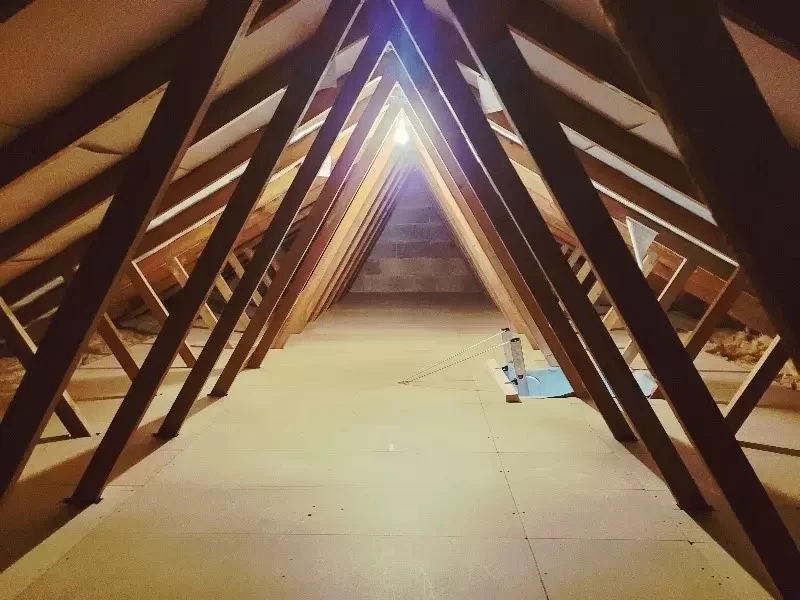

Loft boarding is an increasingly popular home improvement project among homeowners in Nottinghamshire. By converting unused attic space into a functional storage area, you can declutter your living areas, enhance your property's value, and improve energy efficiency. This comprehensive guide will walk you through the essentials of loft boarding, helping you make informed decisions for your home.
What Is Loft Boarding?
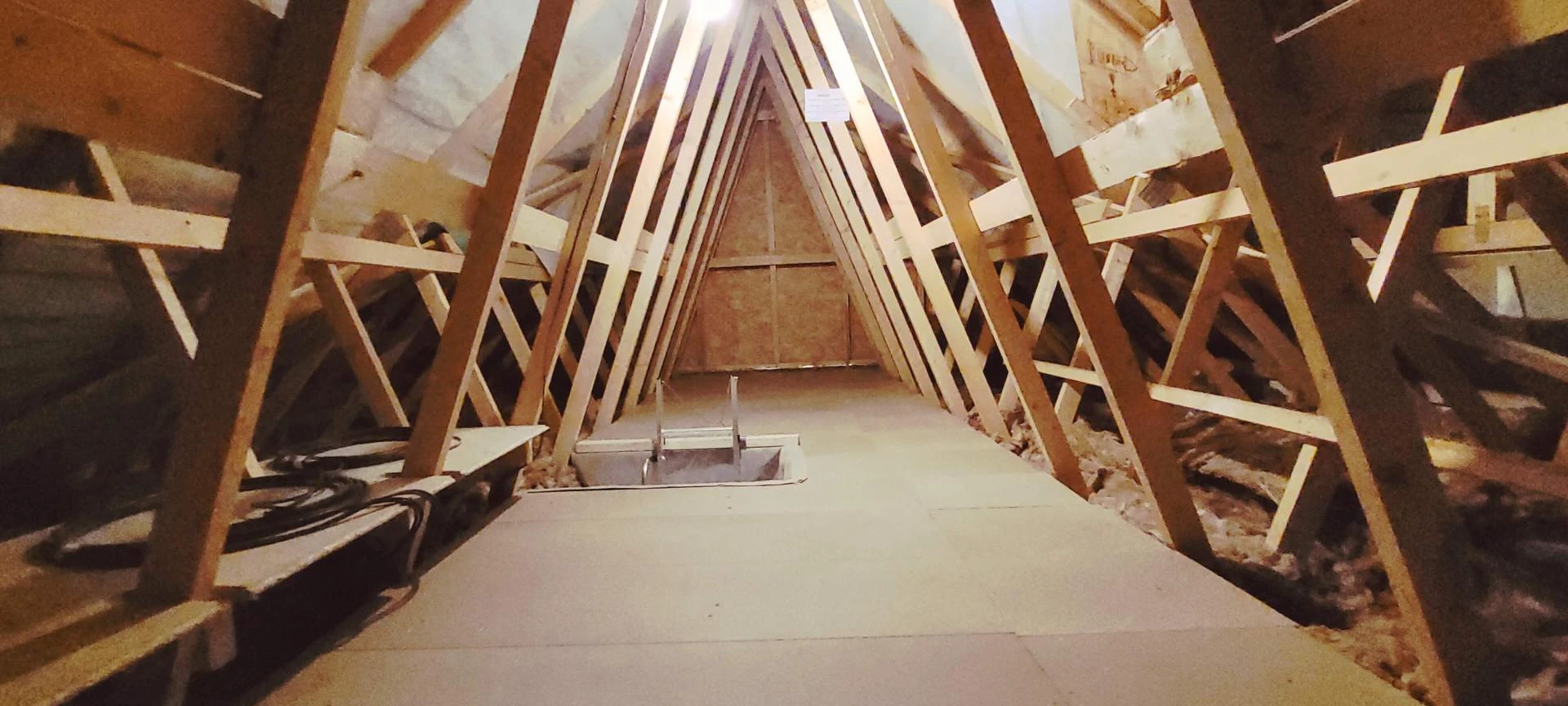
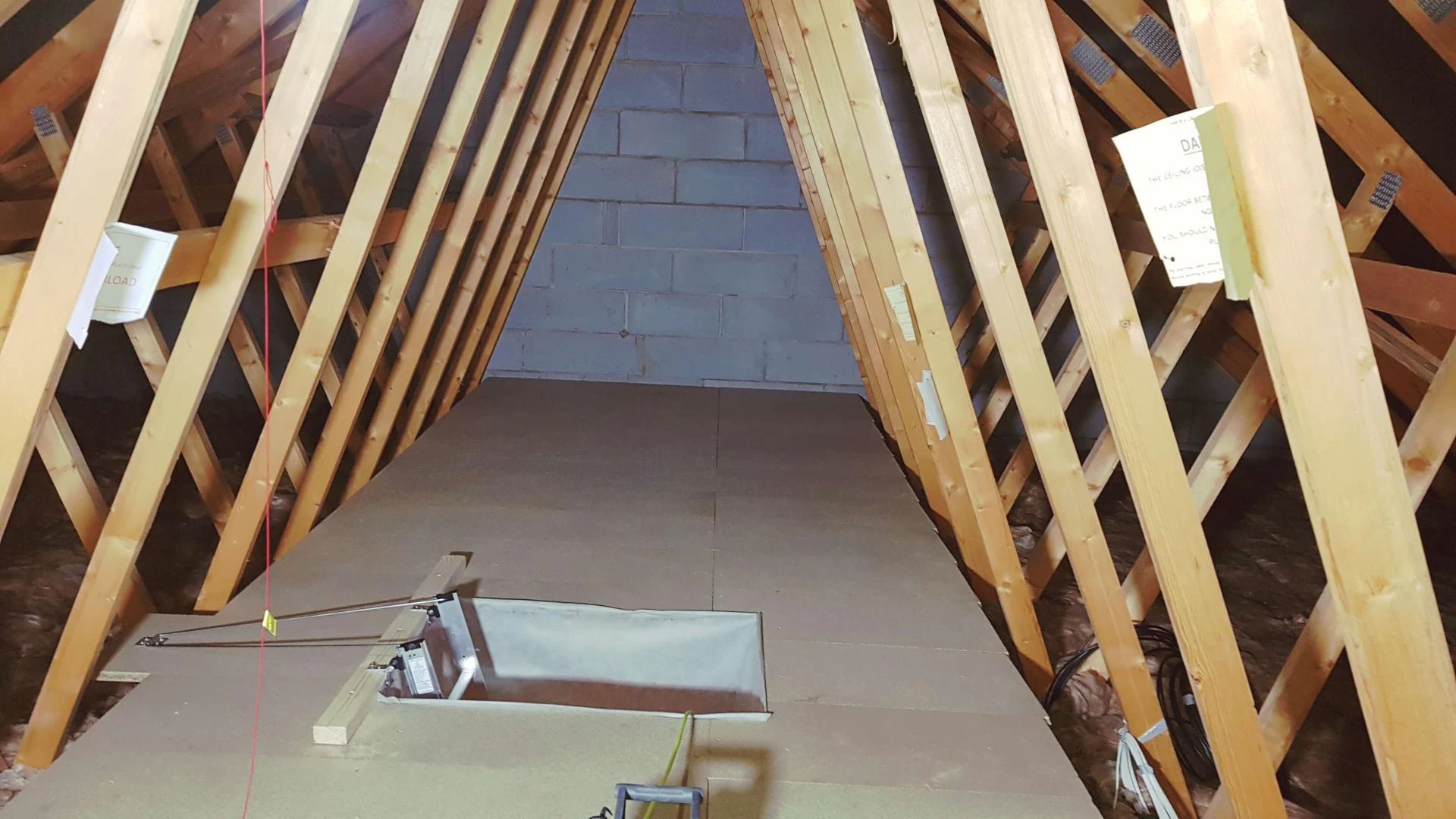
Loft boarding involves installing a raised floor over the joists in your attic, creating a safe and accessible platform for storage. This process allows you to utilize the loft space without compromising insulation or structural integrity.
Benefits of Loft Boarding
Increased Storage Space
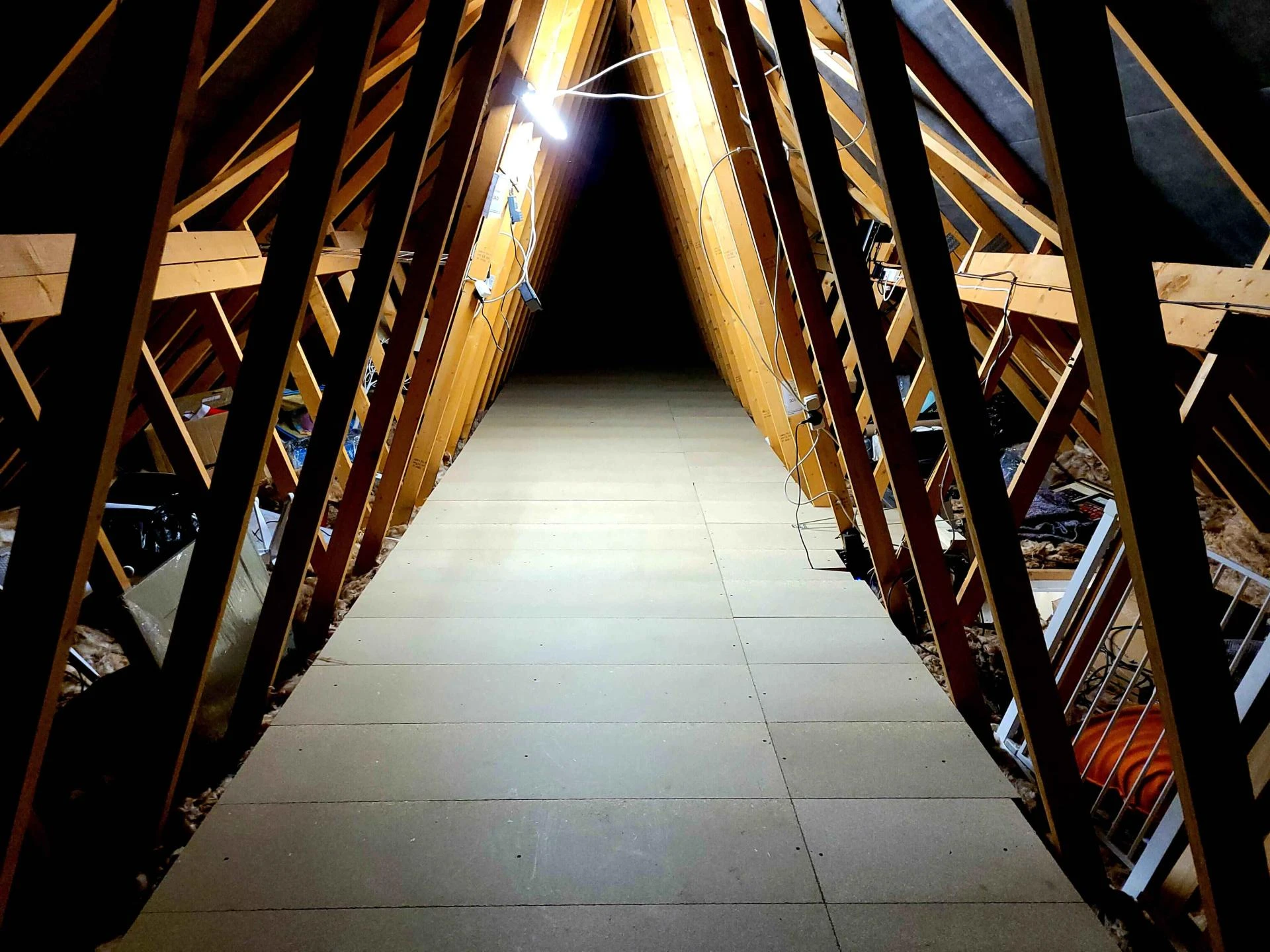
One of the primary advantages of loft boarding is the significant increase in storage capacity. By transforming your loft into a usable area, you can store items such as seasonal decorations, luggage, and memorabilia, freeing up valuable space in other parts of your home.
Enhanced Energy Efficiency
Properly installed loft boarding can contribute to better insulation, reducing heat loss through the roof. This improvement helps maintain a consistent indoor temperature, leading to lower heating bills and a more comfortable living environment.
Added Property Value
A well-executed loft boarding project can increase your property's appeal to potential buyers. The additional storage space and improved energy efficiency are attractive features that can set your home apart in the competitive Nottinghamshire housing market.
Factors to Consider Before Loft Boarding
Before embarking on a loft boarding project, it's essential to consider several factors to ensure a successful outcome.
Building Regulations and Permissions
In most cases, boarding a loft for storage purposes doesn't require planning permission. However, if you intend to convert the loft into a habitable space in the future, you must comply with UK building regulations. Consulting with professionals can help you navigate these requirements and plan accordingly.
Insulation Requirements
Maintaining adequate insulation is crucial in the UK climate. Loft boarding should be installed without compressing existing insulation to preserve its effectiveness. Raised loft boarding systems are designed to protect insulation while providing a stable storage platform.
Structural Integrity and Load-Bearing Capacity
Assessing your loft's structural integrity is vital to ensure it can support the additional weight of boarding and stored items. Professional installers can evaluate the load-bearing capacity and reinforce the structure if necessary, ensuring safety and durability.
Loft Boarding Costs in Nottinghamshire
The cost of loft boarding varies based on factors such as loft size, materials used, and installation complexity. On average, homeowners in Nottinghamshire can expect to invest between £800 and £1,500 for a standard loft boarding project.
Factors Influencing the Cost
- Loft Size: Larger lofts require more materials and labor, increasing the overall cost.
- Insulation Depth: Thicker insulation may necessitate raised boarding systems, which can be more expensive.
- Access Difficulty: Hard-to-reach lofts may require additional time and specialized equipment, affecting the price.
- Additional Features: Incorporating elements like loft ladders, lighting, or enhanced insulation will add to the total expense.
DIY vs. Professional Loft Boarding
While some homeowners may consider a DIY approach to loft boarding, it's important to weigh the pros and cons.
DIY Loft Boarding
Undertaking the project yourself can save on labor costs. However, it requires a good understanding of structural integrity, insulation preservation, and safety protocols. Mistakes can lead to compromised insulation, structural issues, or even personal injury.
Professional Installation
Hiring experienced professionals ensures that the loft boarding is installed safely and in compliance with building regulations. Professionals can assess structural integrity, recommend suitable materials, and complete the project efficiently. While this option involves higher upfront costs, it offers peace of mind and long-term benefits.
Choosing the Right Loft Boarding System
Selecting an appropriate loft boarding system is crucial for maximizing benefits and ensuring longevity.
Standard Loft Boarding
This method involves placing boards directly onto the joists. While it is a quicker and more affordable option, it may not be suitable if you have existing insulation, wiring, or pipework, as it can compress insulation and hinder airflow.
Raised Loft Boarding
Raised loft boarding systems elevate the platform above the insulation, preventing compression and maintaining thermal efficiency. This approach is particularly beneficial for preserving the effectiveness of your insulation and ensuring proper ventilation, reducing the risk of dampness and condensation.
Finding Loft Boarding Professionals in Nottinghamshire
When searching for loft boarding specialists in Nottinghamshire, consider the following steps:
- Research and Reviews: Look for companies with positive customer feedback and a proven track record.
- Certifications and Insurance: Ensure the company holds relevant certifications and adequate insurance coverage.
- Detailed Quotes: Request comprehensive quotes outlining the scope of work, materials, and costs involved.
By carefully selecting a reputable professional, you can ensure a successful loft boarding project that meets your needs and budget.
Conclusion
Loft boarding is a practical and valuable investment for homeowners in Nottinghamshire, offering increased storage space, improved energy efficiency, and enhanced property value. By understanding the benefits, costs, and considerations involved, you can make informed decisions and transform your loft into a functional and efficient space.
Frequently Asked Questions
1. Do I need planning permission to board my loft in Nottinghamshire?
For storage purposes, loft boarding typically doesn't require planning permission. However, if you're converting the space into a habitable room, you must comply with building regulations and may need planning approval.
2. How long does the loft boarding installation process take?
The duration depends on the loft's size and complexity. A standard loft boarding project usually takes between one and three days to complete.
3. Can I still access my insulation after loft boarding?
Yes, raised loft boarding allows access to insulation without compressing it. This design maintains energy efficiency and ensures insulation remains effective.
4. What type of materials are used for loft boarding?
Loft boards are typically made from moisture-resistant chipboard, which provides durability and stability for storage purposes.
5. Is loft boarding suitable for all types of homes?
Loft boarding is suitable for most homes, but structural assessments may be necessary for older properties or those with unique architectural features.










Sign in to leave a comment.