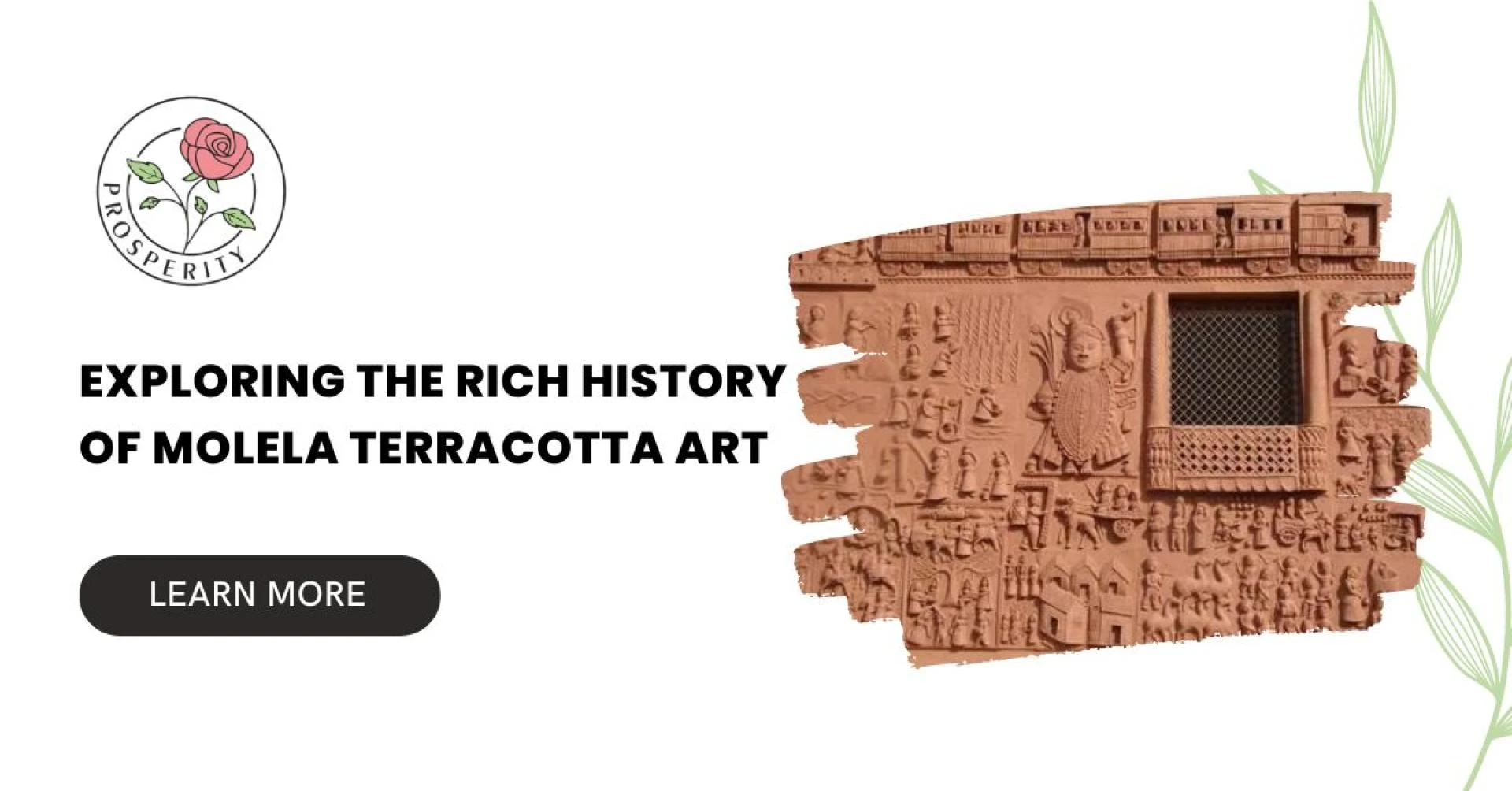

Molela terracotta art is one of India's oldest forms of artistic expression and has been around for centuries. The small village of Molela, in Rajasthan, is home to some of the most talented terracotta artists in the world and their work is renowned for its intricate detailing and vibrant color schemes. This particular type of art has a long and rich history that dates back to ancient times and continues to be celebrated today. Let’s take a closer look at this amazing form of craftsmanship!
What is Molela Terracotta Art?
Molela terracotta art is a traditional form of Indian pottery that has been practiced by families in the village of Molela since ancient times. It involves molding clay into various shapes such as animals, deities, buildings, or any other objects before firing them in an oven. The finished pieces are usually brightly colored with pigment made from local materials such as cow dung, red sandstone, and ground minerals. This type of art was once used to adorn temples, walls, floors and furniture but today it’s mainly used for decorative purposes.
How Is Molela Terracotta Art Made?
The process of making Molela terracotta art begins with collecting raw clay from nearby wetlands or rivers. The clay is then mixed with water to create a soft dough that can be molded into various shapes using simple tools like sticks or knives. Once the desired shape has been achieved, the piece is fired in a kiln at temperatures up to 1120 degrees Celsius (2050 degrees Fahrenheit). After cooling off, the piece is coated with natural pigments and glazes before being fired again to harden it further. This entire process can take weeks or even months depending on how complex the design is!
Conclusion:
Molela terracotta art has been around for centuries and continues to be celebrated today as one of India's oldest forms of artistic expression. From collecting raw clay from nearby wetlands to carefully handcrafting intricate pieces using basic tools, this traditional form of pottery requires skillful craftsmanship and an eye for detail which makes it truly unique! If you're looking for something special to add character to your home decor or just want an interesting conversation starter then consider investing in some beautiful pieces from the talented artists in Molela!








Sign in to leave a comment.