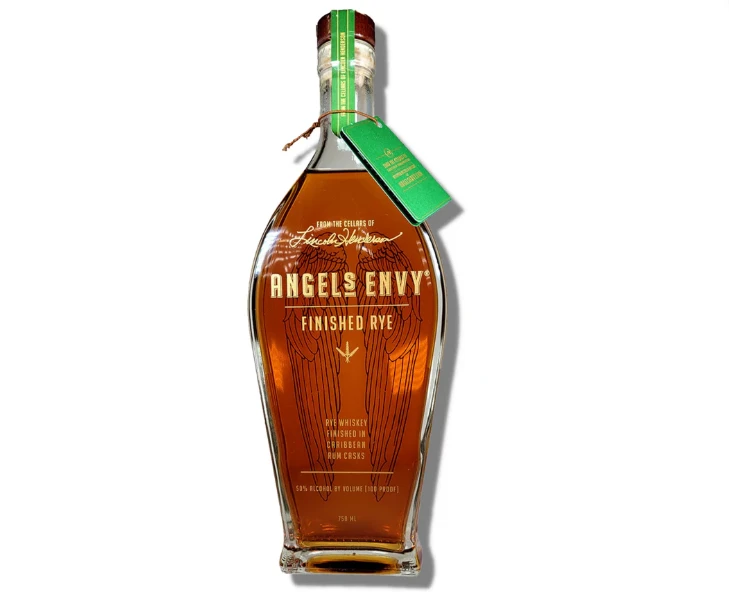

The story of rye whiskey is deeply tied to North America’s early distilling traditions. Originating in the northeastern United States during the late 18th century, rye quickly became the grain of choice for many settlers due to its ability to thrive in cooler climates and less fertile soil. This resilience made it a staple crop and, subsequently, a primary ingredient for early American spirits. While bourbon found its roots further south, rye became the preferred drink in regions like Pennsylvania and Maryland, each developing its distinctive style influenced by local agricultural practices and climate.
Distinctive Grain Composition and Production Process
The flavor of rye whiskey begins with its grain bill, which, by law in the United States, must contain at least 51% rye grain. The remaining portion often includes corn and malted barley, each contributing subtle sweetness and body. Rye itself imparts a bold, spicy character, often described as peppery, earthy, and slightly fruity. Distillers carefully control fermentation temperatures, yeast strains, and water sources to enhance these characteristics. Once distilled, the spirit must be aged in new charred oak barrels, which add notes of vanilla, caramel, and toasted wood while mellowing the grain’s sharper edges over time.
Understanding Flavor Nuances in Premium Rye Whiskey
Premium expressions of rye whiskey are known for their complex and layered flavor profiles. Tasters often identify a signature spiciness that lingers on the palate, complemented by herbal undertones like mint, dill, or clove. Higher proof bottlings tend to carry more intense spice, while lower proof versions may lean toward softer vanilla and caramel notes. The length of barrel aging also plays a crucial role, with extended maturation developing richer flavors and a smoother mouthfeel. In some cases, distillers release limited editions from a single barrel, offering a unique snapshot of the whiskey’s maturation journey without blending from multiple sources.
The Role of Climate and Barrel Aging
Where and how rye whiskey ages significantly impacts its final character. Distilleries in cooler climates may experience slower maturation, resulting in a more delicate integration of flavors. In contrast, warmer environments accelerate the interaction between spirit and wood, intensifying caramelization and spice. Barrel char levels are another variable, with heavier char contributing deeper color and smoky sweetness, while lighter char allows the grain’s brightness to shine through. Many connoisseurs seek out special releases, especially those crafted from a single barrel, to explore these nuances in their purest form.
Food Pairings That Enhance the Experience
The bold flavor of rye whiskey pairs beautifully with a wide range of foods. Its peppery kick can complement rich meats like smoked brisket or roasted duck, while its herbal notes balance well against creamy cheeses or dark chocolate desserts. For a more adventurous pairing, rye can be enjoyed alongside spiced nuts or rye bread topped with aged cheddar, enhancing its grain-forward qualities. These combinations allow both the whiskey and the dish to reveal new dimensions of flavor, creating an elevated tasting experience for enthusiasts and casual drinkers alike.
Why Rye Whiskey Appeals to Modern Drinkers
In recent years, rye whiskey has seen a resurgence in popularity, driven by both craft distillers and heritage brands reintroducing historic recipes. Its distinctive spice, balanced sweetness, and versatility in cocktails like the Manhattan and Old Fashioned make it appealing to a new generation of drinkers seeking something bolder than standard whiskey options. Limited-edition releases, especially those drawn from a single barrel, have become highly sought-after among collectors, offering not only exceptional taste but also a tangible connection to the artistry and tradition behind the spirit.
Conclusion
Premium rye whiskey offers a tasting journey shaped by history, grain selection, climate, and aging techniques. Its bold spice, layered complexity, and adaptability in both neat pours and cocktails have cemented its place in the hearts of whiskey lovers worldwide. For those eager to explore a truly unique and unblended expression, a single barrel release delivers the purest reflection of a distiller’s craftsmanship and the grain’s natural character.














Sign in to leave a comment.