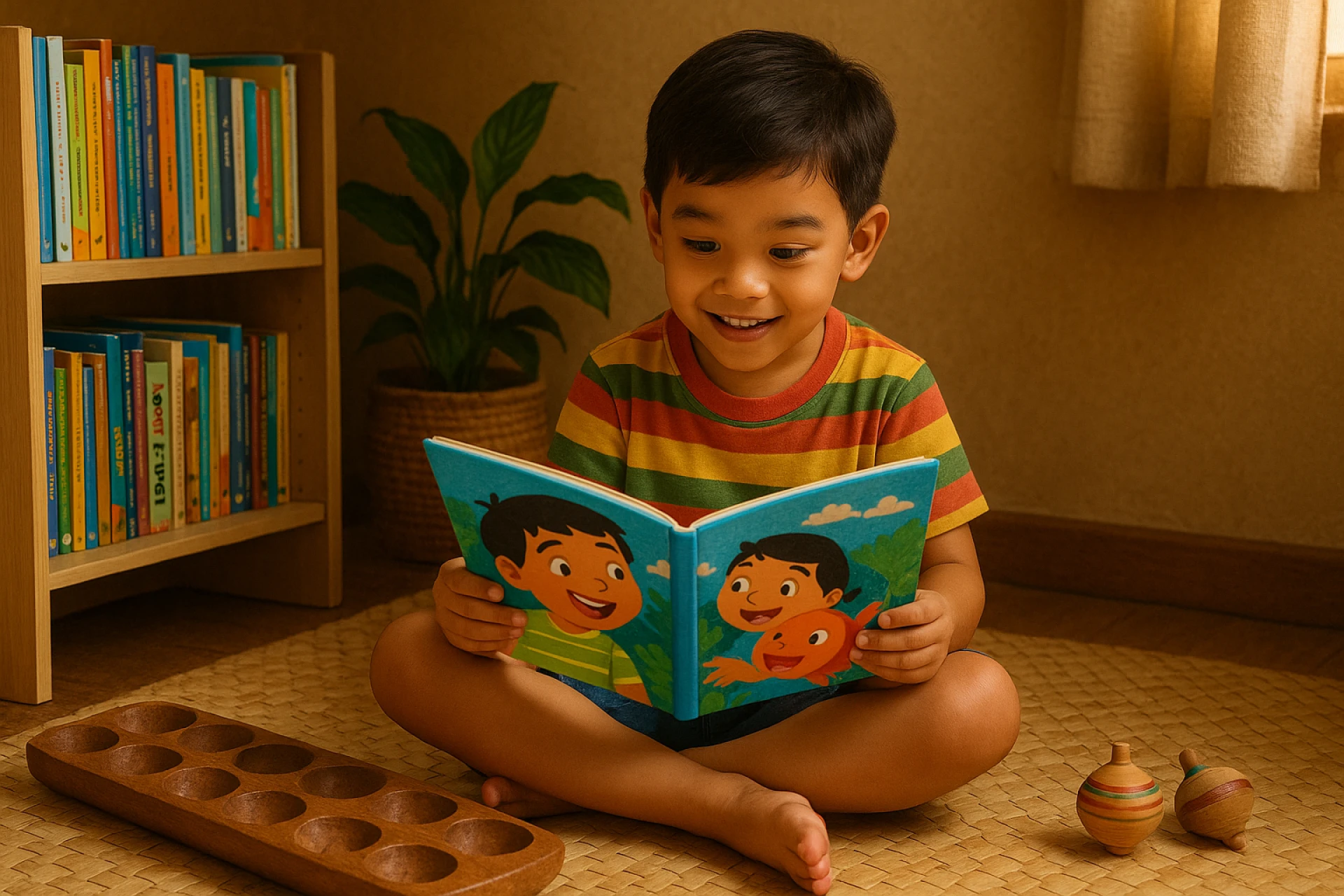
Long before kids write their first full sentence or read a paragraph on their own, they begin connecting sounds, images, and meaning. That’s why the books we give them early on matter so much. When we hand a toddler a board book in Filipino, we’re not just introducing words—we’re passing on rhythm, values, and identity. Filipino children’s books made for early readers don’t just teach basic language skills; they quietly and powerfully shape how a child sees their world and their place in it.
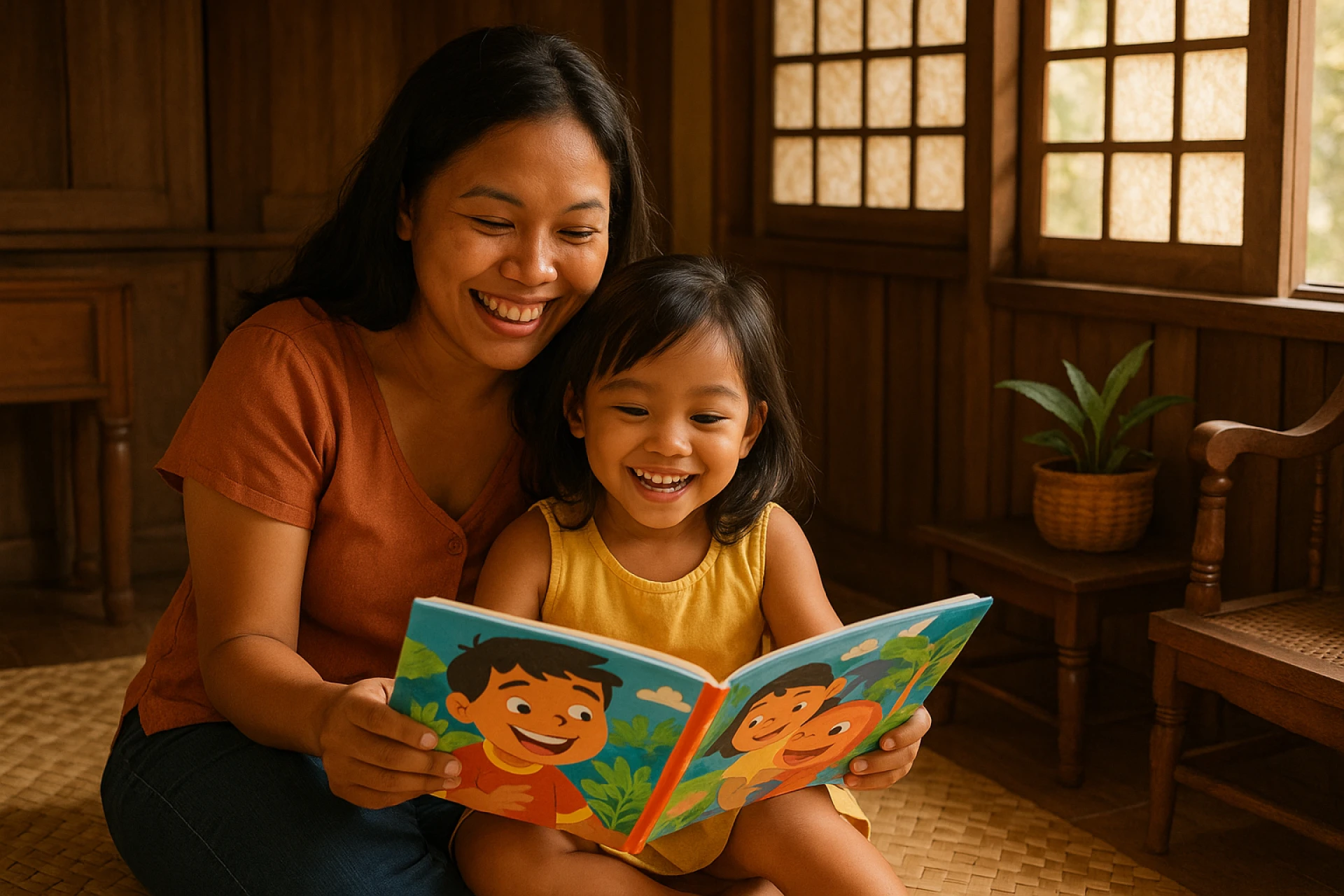
Every "A" and "Ba" in these early titles can open a door. Whether the book features everyday words like gatas or aso, or touches on traditions and family life, it lays down roots. That’s especially important in households where English often dominates screen time, schoolwork, and conversation. Books in Filipino meet kids where they are—with colorful pages, simple sentences, and relatable situations—but lead them somewhere deeper: home.
More Than Words: Why Filipino Children’s Books Matter Early
It’s easy to see early reading as just a stepping stone—something kids do until they can move on to “real books.” But that first phase of reading builds far more than literacy. It’s where children discover patterns in language, develop emotional connections, and, ideally, hear voices that sound like their own.
Filipino children’s books aimed at early readers tend to highlight everyday moments that feel familiar: a trip to the palengke, eating with family, or listening to Lola’s stories. These books don’t need to be grand or poetic. Their power comes from recognition. When a child sees a bowl of sinigang in a story or hears the word tahimik as part of a gentle lullaby, they connect that sound with a real feeling. The language becomes more than academic—it becomes lived.
Publishers and writers in the Philippines have increasingly paid attention to the need for books that reflect children's lives. In recent years, more titles have popped up that use Filipino as the primary language and frame stories around local settings. Some even weave in regional languages or mix English and Filipino naturally, the way many families speak at home.
These books often work double-duty. They help kids gain confidence in reading while also strengthening their identity. It’s not just about knowing that buwan means "moon." It’s about hearing buwan used in a bedtime story and associating it with comfort, with family, with one’s own rhythm of life.
Bringing Language to Life Through Stories and Sounds
You don’t need a full curriculum to teach a child a language—just a story, a voice, and time. The beauty of Filipino children’s books for early readers is that they keep things simple without watering them down. Authors often use repetition, rhyme, and playful sound patterns to help little ones follow along. Kids laugh when they hear funny-sounding words and love repeating phrases. Before you know it, they start saying kulay pula or isang mansanas during playtime.
Picture books and board books in Filipino often center on routines and repetition: brushing teeth, getting dressed, counting fruits. These small, everyday actions become language anchors. And because many of these stories are read aloud, they also foster interaction. A parent or teacher reads a line, and the child repeats it. It becomes a shared rhythm—a little back-and-forth that’s both fun and educational.
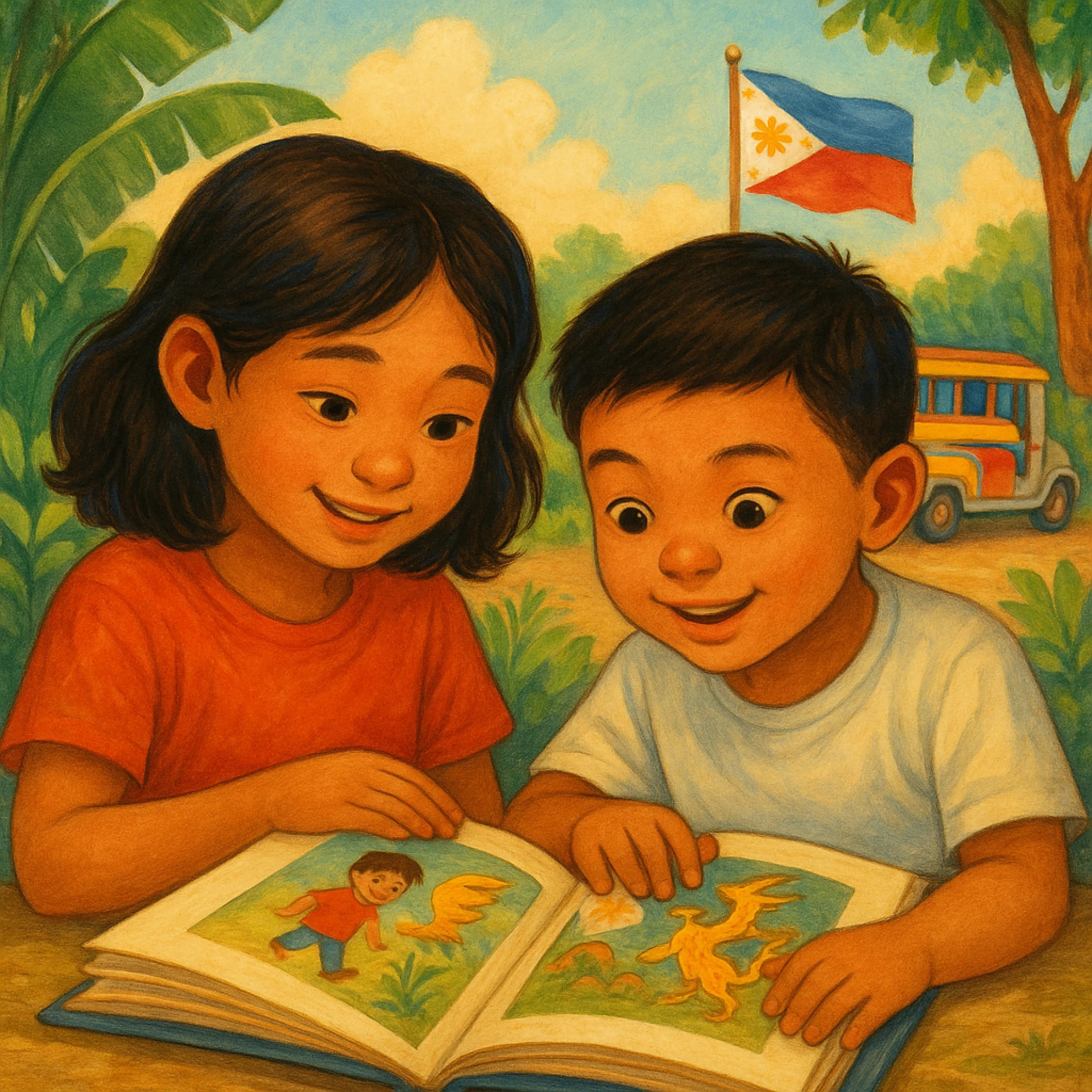
Illustrations play a huge part, too. The visuals don’t just support the text; they complete it. A drawing of a jeepney isn’t just decoration—it helps a child associate the word jeepney with its shape, its color, and the sense of movement. And when those illustrations show brown-skinned kids, woven mats, or slippers by the door, they send a quiet but powerful message: your life is worth reading about.
Many families also rely on books to bridge distance. For Filipino families abroad, early reader books in Filipino become tools to keep kids connected to home. Even if Tagalog isn’t the primary language spoken in the household, hearing and seeing it regularly helps children stay rooted. These books don’t just preserve language—they preserve belonging.
How Parents and Teachers Can Keep It Going
Early exposure matters, but so does consistency. One great way to build a child’s connection to Filipino is to include storytime in the everyday routine, even if it’s just five minutes before bed. Rotating a few Filipino books into the weekly reading pile keeps the language alive without pressure.
Adults don’t need to be fluent to make this work. In fact, many parents find that they learn or relearn words alongside their kids. That’s the beauty of early reader books—they meet everyone at the starting line. If you’re unsure about pronunciation or meaning, use the pictures to help guide the story. Some books also include English translations or word lists at the back, which makes them great for dual-language learning.
Teachers can do their part by making sure Filipino books are present in classrooms—not just during Buwan ng Wika but all year round. Having a few age-appropriate titles in Filipino on the classroom shelf gives kids more chances to explore the language at their own pace. It shows them that Filipino isn’t just for special occasions—it’s part of daily life.
By offering kids these kinds of books early, we give them more than just vocabulary. We give them a chance to speak with confidence, to listen closely, and to see themselves reflected in stories that matter. Every small word, every simple sentence, becomes a building block—not just for reading skills, but for a lifelong connection to who they are.










Sign in to leave a comment.