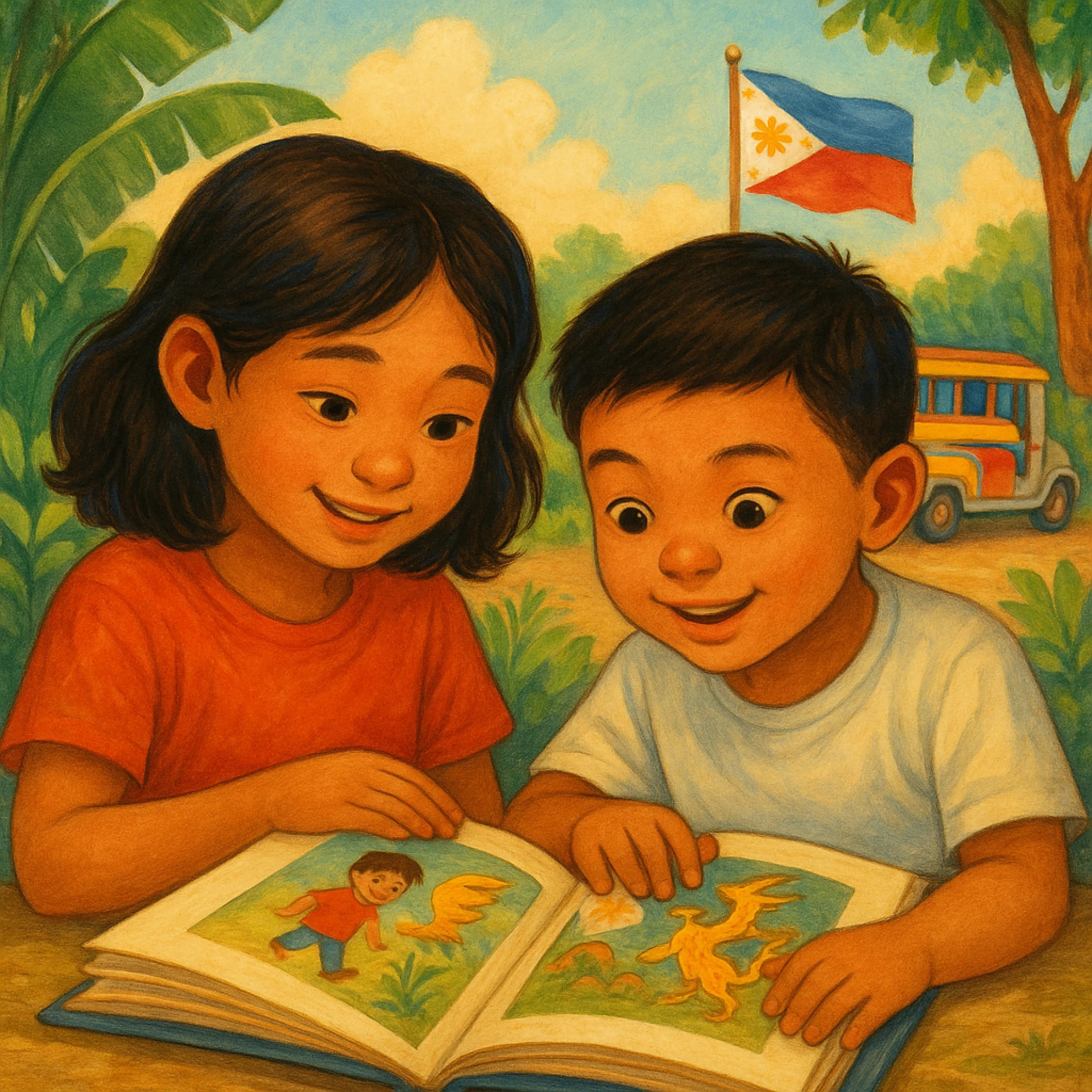

Every Filipino child grows up hearing tales about a turtle outsmarting a monkey or a beautiful diwata named Maria Makiling watching over the mountains. These stories aren’t just entertaining—they carry the heartbeat of our culture. And now, thanks to a new wave of writers and illustrators, these classics are finding fresh life in Filipino children’s books that speak to today’s young readers.
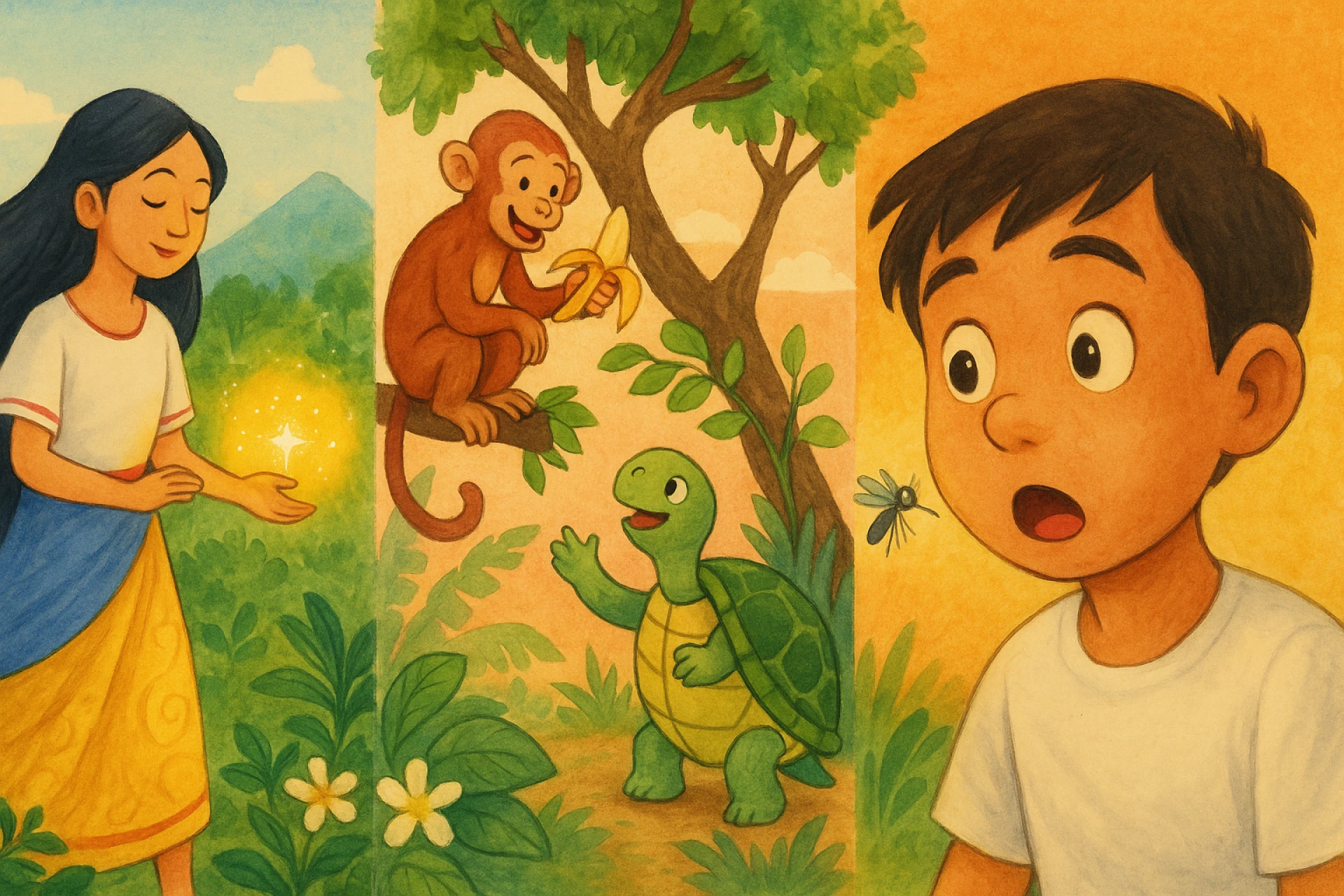
Young kids today may scroll through screens more than they flip pages, but that hasn’t dulled their appetite for a good story. What’s changed is the delivery. Traditional folktales are being retold in ways that fit the rhythm of modern childhood—more visual, more interactive, and often more grounded in the experiences of a new generation. It’s not just nostalgia wrapped in glossy paper; it’s a smart way to make our oldest tales matter now.
Why These Legends Still Matter
There’s something timeless about a good trickster tale or a mountain spirit who guards the forest. But without context or emotional hooks, these stories risk feeling like homework. That’s where today’s authors are stepping in. They’re reshaping these legends to connect with real-life issues kids understand—like friendship, jealousy, fairness, or standing up for what’s right.
Take “Alamat ng Lamok” in its newer versions. Once just a tale to scare kids away from mischief, recent retellings flip the narrative. Now the mosquito's origin still has a sting of misbehavior, but there’s more empathy, more cause-and-effect, and more opportunity for kids to talk about choices.
And then there’s Maria Makiling—she's no longer just the mystical figure of a faraway mountain. In some modern stories, she's a young girl discovering her power or learning how to use her magic to help her community. These new takes don’t erase the original; they just shift the angle so young readers can feel part of the story.
The Role of Filipino Children’s Books in Cultural Memory
Retelling folk stories isn’t just about making old things cute or trendy. It’s about making sure kids grow up with something that feels familiar but also meaningful. Filipino children’s books have become a crucial space for this work. These books bring local color, language, and humor into stories that might otherwise fade out of view.
And importantly, these stories are now often bilingual—Tagalog and English side by side. This isn't just convenient for young readers; it reflects the way many Filipino kids think, speak, and live. Some books even include Bisaya, Ilocano, or Kapampangan, expanding the sense of belonging even more.
Local publishers and independent creators are leading the way. They aren’t just reprinting dusty folk stories—they’re adding personality. In one book, the turtle and the monkey argue like siblings. In another, a diwata scrolls through a magical phone. That mix of fantasy and fun keeps things fresh and culturally grounded at the same time.
Making These Stories Truly Ours Again
Kids need stories where they can see themselves, not just as sidekicks or moral lessons, but as the heroes. That’s exactly what these updated tales are doing—giving Filipino children a starring role in their own mythologies. These books don’t just entertain; they build a sense of identity and pride.
Parents, too, are leaning in. Many grew up with these stories and now have a chance to share them in new ways with their kids. It’s not unusual for bedtime reading to turn into long conversations about a character’s decision or a funny moment between talking animals. That back-and-forth makes the stories stick—and that’s what matters most.
The best part? These books are also making their way into classrooms and libraries abroad. Teachers use them to introduce culture, language, and storytelling techniques. That means the tales of Bernardo Carpio or the cunning turtle are no longer limited to the barangay—they're traveling farther than ever before.
So yes, the old legends are changing. But change doesn’t mean loss. If anything, this new generation of Filipino children’s books is making our stories stronger. They’re not just keeping our folk tales alive; they’re letting them grow up with us.









Sign in to leave a comment.