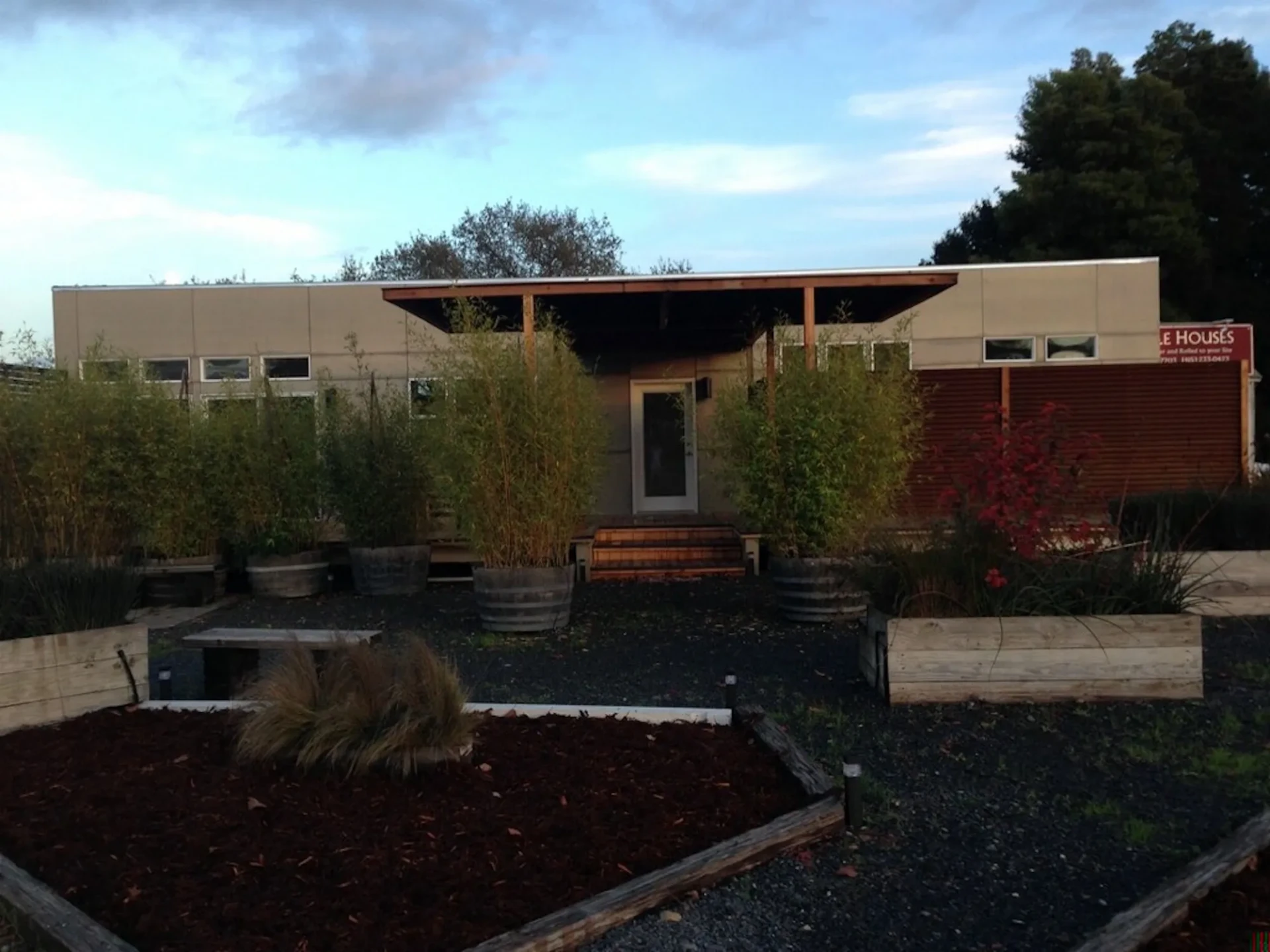

A manufactured home is only as strong as the foundation beneath it. Whether you’re placing a new home, upgrading an existing property, or adding an accessory dwelling unit (ADU), the type of foundation you choose affects everything from financing to long-term stability.
In Sonoma County, homeowners often turn to experienced providers like Sonoma Manufactured Homes for guidance. From helping navigate local permitting to selecting the right foundation system, these professionals ensure the installation process runs smoothly and complies with all building codes.
If you’re considering manufactured home installation in Sonoma County, understanding your foundation options is one of the first — and most important — steps.
Why the Foundation Matters
Foundations are more than just concrete and piers. They determine the safety, durability, and longevity of the home above them. A properly installed foundation stabilizes the structure, prevents shifting over time, and helps manage water drainage.
The type of foundation you choose also affects financing. Many lenders require manufactured homes to be placed on a permanent foundation before they will issue a mortgage. Similarly, resale value is tied to whether a home is classified as “real property,” which often depends on the foundation system.
From a regulatory standpoint, foundations are central to meeting local codes. In Sonoma County, requirements differ depending on whether you’re installing a new ADU, a primary residence, or Sonoma County second units on an existing property. For example, setbacks, lot size, and soil conditions can all influence what types of foundations are allowed.
Permitting is another crucial step. Securing the right manufactured home permits ensures your home complies with local standards, avoids costly delays, and maintains eligibility for resale or financing. Providers familiar with the region’s rules, such as Sonoma Manufactured Homes, can streamline this process.
In short: the foundation isn’t just a construction detail — it’s a cornerstone of your home’s value, function, and future.
Permanent Foundations: Built for Long-Term Living
For homeowners who see their manufactured home as a long-term investment, permanent foundations are the preferred option. These systems attach the home securely to the land, meeting building codes for stability and qualifying the property as real estate.
Concrete Slab Foundations
One of the most common options, concrete slabs provide a flat, durable surface for the home to rest on. They are relatively affordable, quick to install, and effective for soil types common in Sonoma County. Slabs also make the home more energy-efficient by reducing drafts under the floor.
Pier-and-Beam with Crawl Space
This system elevates the home on reinforced piers, leaving a crawl space underneath. The added ventilation reduces moisture buildup, while the crawl space allows easier access for plumbing, electrical work, or future modifications. It’s an excellent choice for properties that may need underfloor utility access.
Full Basement Foundations
Though less common due to higher cost, basements offer maximum flexibility. They provide extra living or storage space and can significantly increase property value. For larger projects like Sonoma County in-law units or Sonoma County granny flats, basements can serve as additional rentable areas or family spaces.
Benefits of Permanent Foundations
● Qualify homes as “real property” for financing and resale.
● Provide superior stability and durability.
● Increase property value by integrating the home more seamlessly with the land.
Limitations
● Higher upfront costs compared to non-permanent options.
● Require more site preparation and time to install.
Despite the additional investment, many homeowners opt for permanent foundations because of the long-term security and value they deliver. Providers like Sonoma Manufactured Homes often recommend these systems for clients who plan to live in or rent their homes for years to come.
Non-Permanent Foundations: Flexibility First
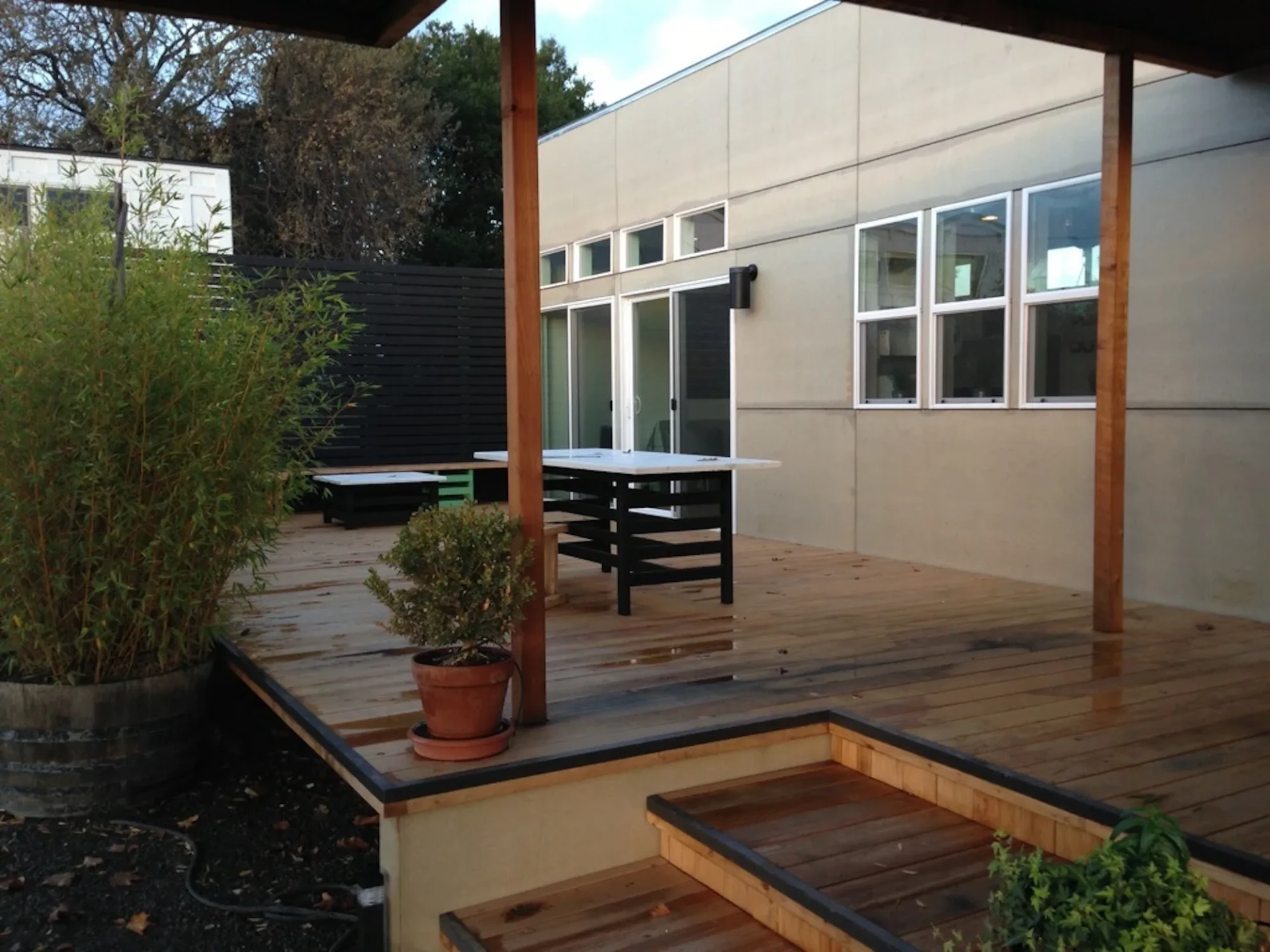
Not every homeowner needs or wants a permanent foundation. In some cases, a non-permanent system provides all the stability required while keeping costs and installation time lower.
Pier Blocks and Runners
These systems use pre-cast concrete blocks or continuous runners to support the home’s frame. They are quick to install and require less site preparation than full slabs or basements.
Skirting Systems
To improve insulation and aesthetics, skirting is often added around non-permanent foundations. This also helps protect the underside of the home from pests and weather.
Benefits of Non-Permanent Foundations
● Lower upfront costs.
● Faster installation, often completed in days.
● Greater flexibility if the home needs to be relocated or upgraded.
Limitations
● May not qualify for certain types of financing.
● Homes may not be classified as “real property,” affecting resale value.
● Less durable than permanent foundations over decades of use.
For families adding Sonoma caregiver cottages or Sonoma backyard cottages, non-permanent options can be practical, especially if the home is intended for short-term use or if budgets are tight. They also make sense in situations where homeowners may want the option to relocate the unit later.
Zoning and Permitting Considerations
Beyond choosing a foundation type, homeowners must navigate zoning rules and building codes. In Sonoma County, these regulations dictate where and how manufactured homes can be placed.
Setbacks and Lot Requirements
Every property must comply with local setback rules, which determine how close a home can be to property lines, fences, or other structures. Lot size can also affect whether an ADU or secondary home is allowed.
Use Restrictions
Whether the home is a primary residence, a rental ADU, or one of the many Sonoma County small living spaces, different zoning categories may apply. For example, ADUs often have specific size limits and parking requirements.
Permitting
Securing the right manufactured home permits ensures compliance with county and state regulations. While the paperwork can feel overwhelming, providers like Sonoma Manufactured Homes routinely assist clients with the process, helping them avoid delays and costly mistakes.
For homeowners considering prefab ADUs in Sonoma County, zoning is one of the first hurdles to clear. Working with an experienced provider makes the process significantly smoother.
Preparing the Site for Your Home
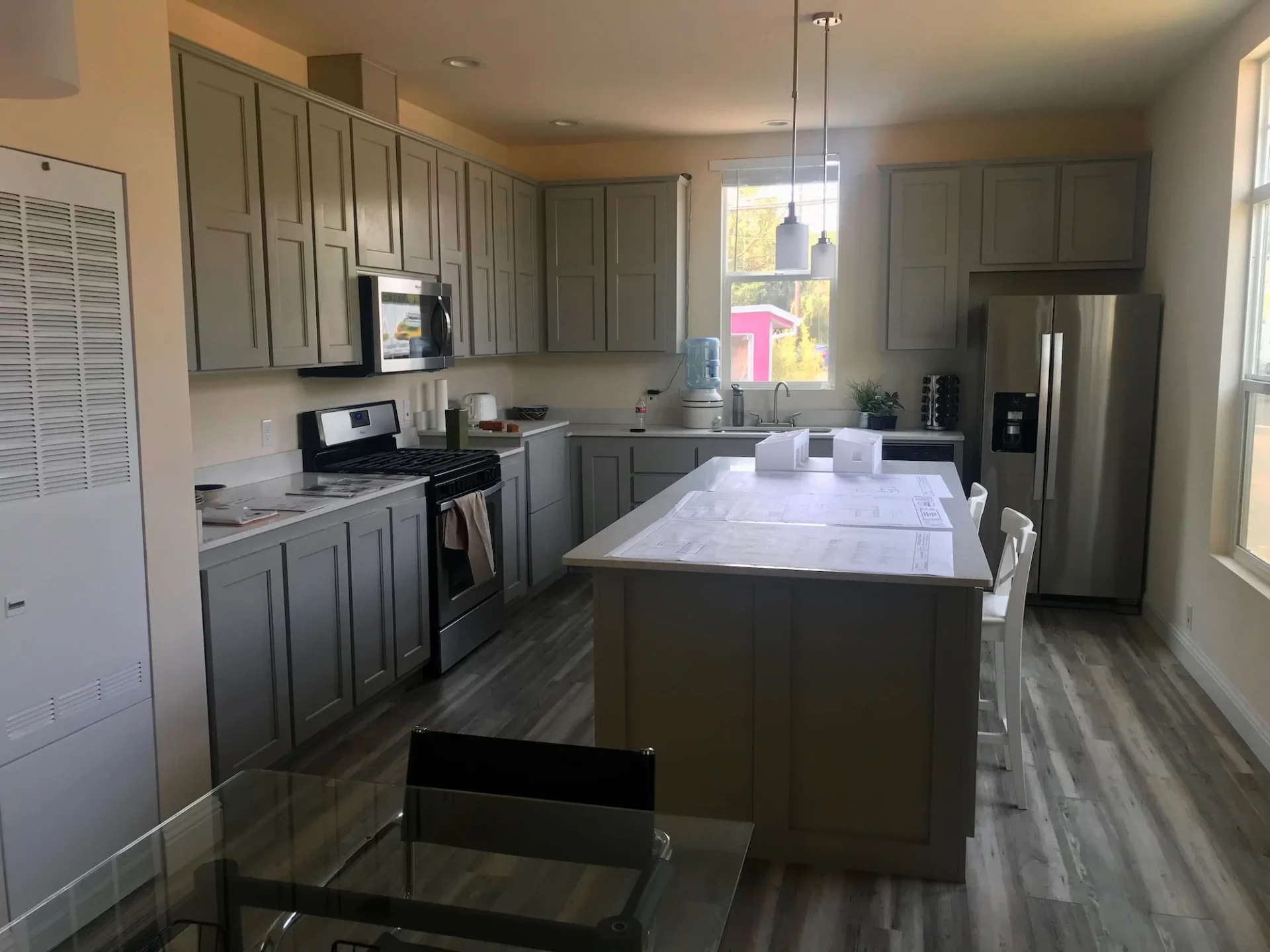
Even the best foundation won’t succeed without proper site preparation. This step ensures the land is ready to safely and efficiently support a manufactured home.
Grading and Drainage
The site must be leveled and sloped correctly to prevent water pooling around the foundation. Proper drainage protects the home’s structural integrity and reduces long-term maintenance issues.
Utility Hookups
Water, sewer, and power connections must be planned and installed during site prep. This step is critical for making the home livable and compliant with building codes.
Access for Delivery
Because manufactured homes arrive in large sections, the site must allow room for manufactured home transport vehicles. Driveways, trees, and overhead wires may need to be adjusted before delivery.
Providers like Sonoma Manufactured Homes often showcase examples of successful site prep in their gallery, giving homeowners a clear sense of what’s required.
For those installing small homes in Petaluma or working on custom small homes in Sonoma County, site prep is an essential investment that sets the stage for long-term success.
Making the Right Choice for Your Property
Deciding between permanent and non-permanent foundations comes down to budget, long-term goals, and property specifics. A homeowner adding a short-term rental may prefer a simple pier system, while someone building a family residence will likely benefit from a permanent slab or basement.
Providers such as Sonoma Manufactured Homes guide families through these choices, balancing cost, durability, and compliance with local zoning rules. With their experience, homeowners gain confidence that their investment will stand the test of time.
Setting the Stage for Lasting Value
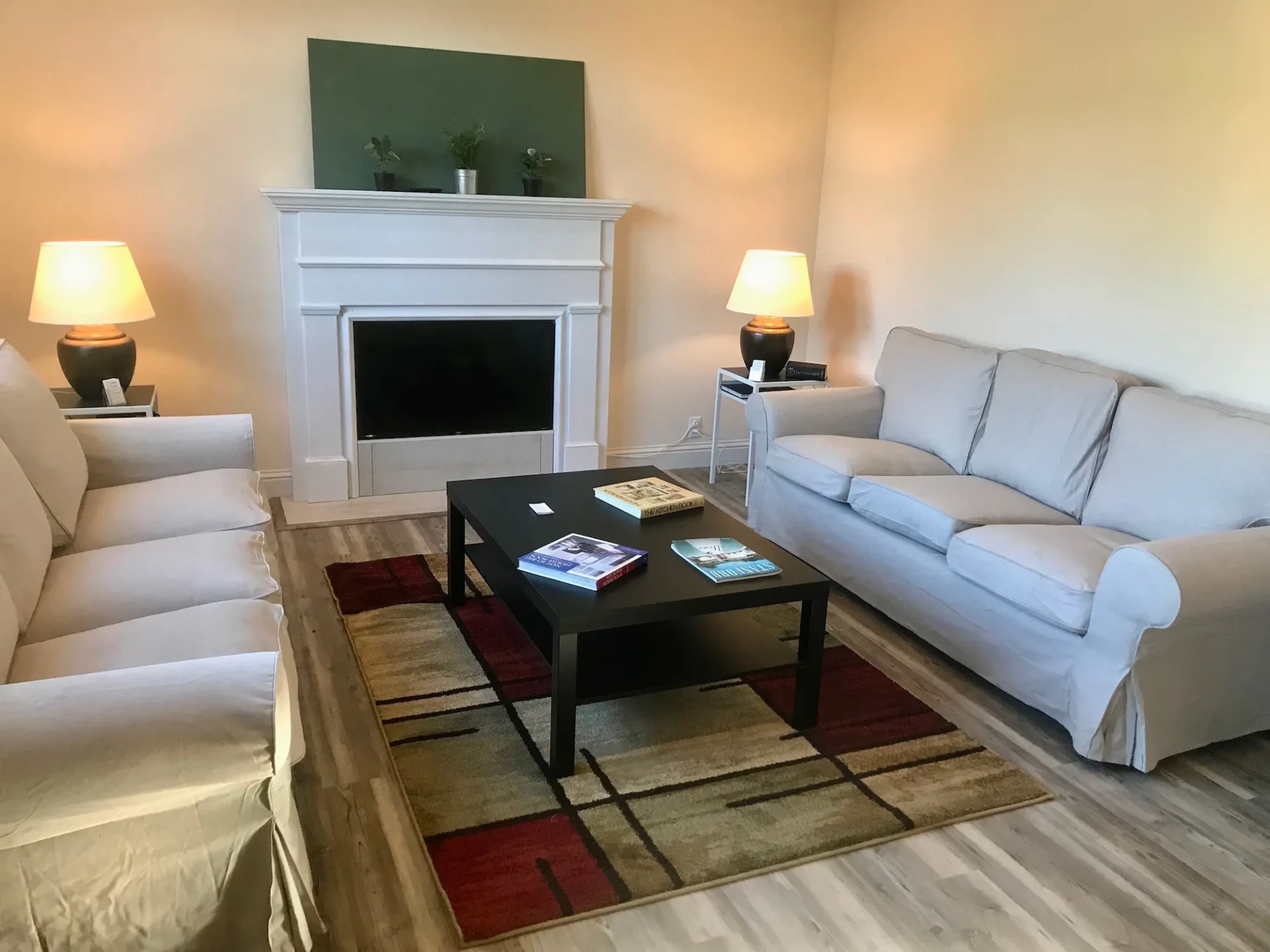
Foundations are the unsung heroes of manufactured housing. They provide stability, meet code requirements, and affect everything from financing to resale value.
For those exploring manufactured home installation in Sonoma County, careful planning around foundation type, site prep, and permitting is key. Local expertise matters, and companies like Sonoma Manufactured Homes offer the guidance needed to make informed decisions. Call 415-233-0423 for a consultation with them.
As demand for affordable small homes in Sonoma County continues to rise, foundations will remain a central part of turning compact, efficient housing into lasting investments. The right start beneath your home ensures it stands strong for decades to come.












Sign in to leave a comment.