
As digital banking becomes the norm across Europe, so does the threat of financial scams. Criminals are increasingly exploiting the traditional gaps in payment systems—especially those that don’t confirm whether a recipient’s account truly belongs to the intended payee. To tackle this, a growing number of European countries have embraced Name Verification and Payee Verification systems.
These tools offer a simple yet powerful function: they confirm that the account number and account name match before a transaction is completed. This not only stops Authorised Push Payment (APP) fraud but also enhances overall financial fraud prevention.
Let’s explore which countries in Europe are at the forefront of this transformation—and how they’re using account verification to build trust in the digital payments landscape.
🔍 What is Payee Verification?
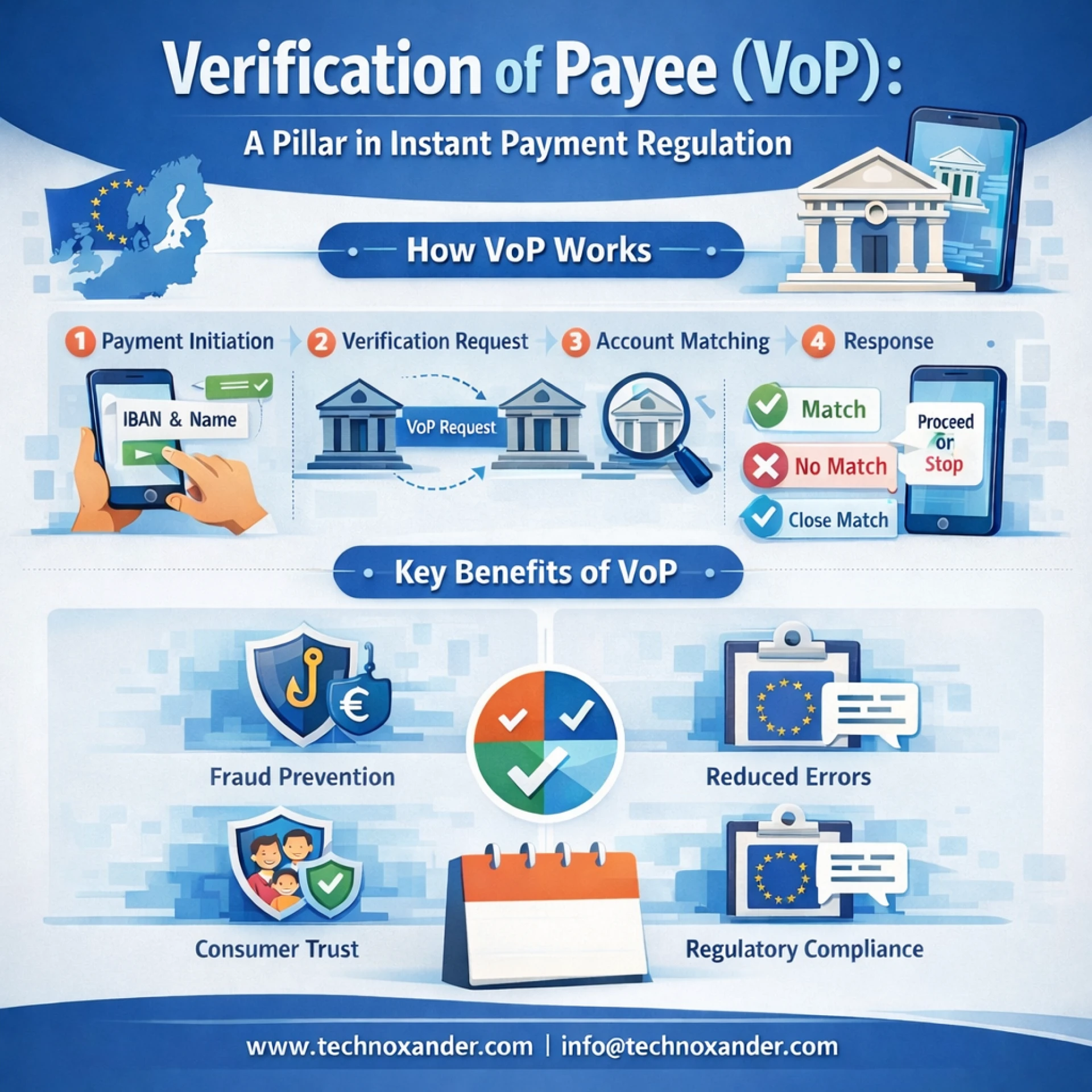
Payee verification (also called name verification or payer verification) is a pre-transaction service that checks whether the account holder’s name matches the bank account details entered. If there's a mismatch, the payer receives a warning—giving them a chance to stop the payment and potentially avoid fraud.
This is a major development in scam prevention, especially as real-time payments become increasingly popular.
🌍 European Countries Implementing Payee Verification Systems
🇬🇧 United Kingdom – Confirmation of Payee (CoP)
- Status: Mandatory since 2020 for major banks
- System: CoP verifies the recipient's name against account data, offering match/mismatch results.
- Result: Significant reduction in APP fraud cases and mistaken payments.
- Innovation: Integrated with real-time payment systems and open banking platforms.
🇳🇱 Netherlands – IBAN-Naam Check
- Status: Widely used by banks like ING, ABN AMRO, Rabobank
- Function: Matches IBAN with account holder's name in real time.
- Use Cases: High success in fraud prevention and B2B invoice validation.
- Adoption: Used both in personal banking and business transactions.
🇧🇪 Belgium – Piloting Verification Systems
- Progress: Major banks are in the testing phase of name-checking systems.
- Purpose: Combat increasing email invoice scams and unauthorized transfers.
- Outlook: Likely national rollout within the next year as regulatory pressure increases.
🇸🇪 Sweden – Soft Integration via Swish
- Tool: Swish, a mobile payment platform, includes informal payer verification through user identity checks.
- Focus: Peer-to-peer and mobile transactions
- Security Layer: BankID-backed verification adds a second layer of safety.
🇩🇰 Denmark, 🇫🇮 Finland & 🇳🇴 Norway – Nordic Collaboration
- Strategy: Developing a shared infrastructure for account verification across borders
- Objective: Uniform and secure digital banking experience
- Current Status: Regional cooperation to fight fraud in real-time SEPA payments.
🇩🇪 Germany – In Development
- Status: Select banks are testing payee verification solutions.
- Challenge: Integration with legacy systems and compliance with future PSD3 requirements.
- Future Ready: Expected to expand as Germany ramps up its fight against financial fraud.
🇫🇷 France – Initial Rollouts
- Current Status: Early-stage testing by select institutions
- Drivers: Growing pressure from businesses for invoice fraud prevention
- Adoption Curve: Expected to rise with increased use of SEPA Instant Payments.
💡 Why Is This Trend Growing?
- Fraud Prevention: APP scams and invoice fraud cost billions annually across Europe.
- Regulatory Push: PSD2, GDPR, and upcoming PSD3 encourage proactive payment authentication.
- Customer Trust: Real-time alerts and transparency improve user confidence in digital transactions.
- Fintech Evolution: New players require built-in account verification to meet compliance and security standards.
🛡️ Benefits of Payee & Name Verification
- ✅ Stops unauthorized transfers before they happen
- ✅ Reduces operational costs from fraud claims
- ✅ Enhances customer protection without disrupting payment speed
- ✅ Builds safer digital ecosystems across open banking platforms
🔚 Final Thoughts: Europe’s Collective Move Toward Safer Banking
As financial fraud evolves, so must the systems designed to prevent it. The rise of payee verification across Europe represents more than just a technical upgrade—it’s a shift toward trust, transparency, and protection in the digital era.
From London’s Confirmation of Payee to the Netherlands’ IBAN-Name Check, and Nordic countries’ joint initiatives, the movement is clear: Account verification is becoming a standard part of smart, safe banking.
With more countries expected to join the list soon, Europe is setting a global example for how scam prevention can be integrated into every transaction—starting with the name.










Sign in to leave a comment.