
Gold as a Long-Term Store of Wealth: Lessons from History
Gold has fascinated civilizations for thousands of years—not only for its beauty but also for its enduring value. Beyond jewelry and decorative purposes, gold has historically been a reliable store of wealth, providing security during turbulent economic times. By examining historical trends, investors can gain insights into why gold remains a cornerstone of long-term wealth preservation.
Gold’s Historical Role as Wealth Preservation
Throughout history, gold has been used as money, a medium of exchange, and a reserve asset for governments and individuals alike. Its enduring characteristics make it uniquely suited for long-term wealth storage:
- Scarcity: Gold is rare and difficult to mine, ensuring that its supply grows slowly over time.
- Durability: Unlike paper currency or other assets, gold does not corrode or decay, making it a lasting store of value.
- Universally Accepted: Across cultures and economies, gold has been recognized as valuable, providing liquidity in times of need.
Lessons from Economic History
Historical patterns reveal gold’s resilience and ability to protect wealth through crises:
- The Great Depression (1930s): While stock markets collapsed, gold retained its value and provided a safe haven for investors.
- 1970s Inflation Era: During periods of high inflation and currency devaluation, gold prices surged, preserving purchasing power for those who held it.
- 2008 Financial Crisis: Investors turned to gold as a hedge against collapsing financial markets and aggressive monetary policies, driving prices upward.
These examples highlight a consistent theme: in times of uncertainty, gold outperforms many other asset classes.
Why Gold Still Matters Today
Even in the modern financial system, gold continues to play a key role in wealth preservation:
- Portfolio Diversification: Gold reduces overall investment risk by balancing volatility from stocks, bonds, and other financial instruments.
- Inflation Protection: As central banks inject liquidity into economies, gold acts as a hedge against potential currency devaluation.
- Global Recognition: Gold is accepted globally, offering liquidity across markets and borders, unlike some other assets.
Strategies for Long-Term Gold Investment
Investors looking to use gold as a long-term store of wealth can consider multiple options:
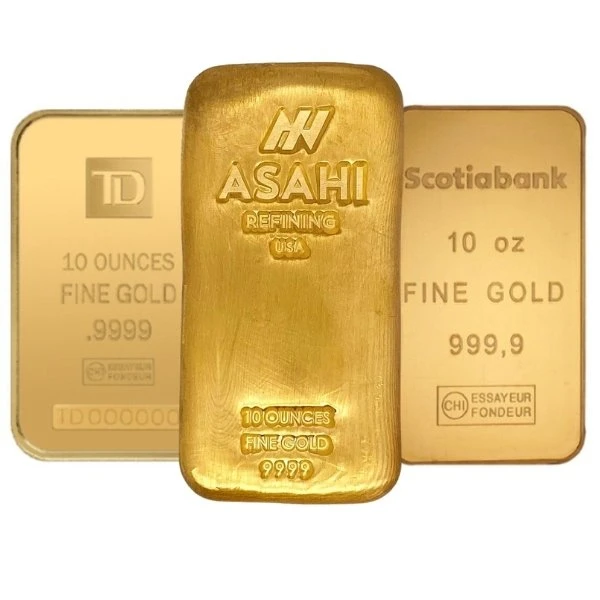
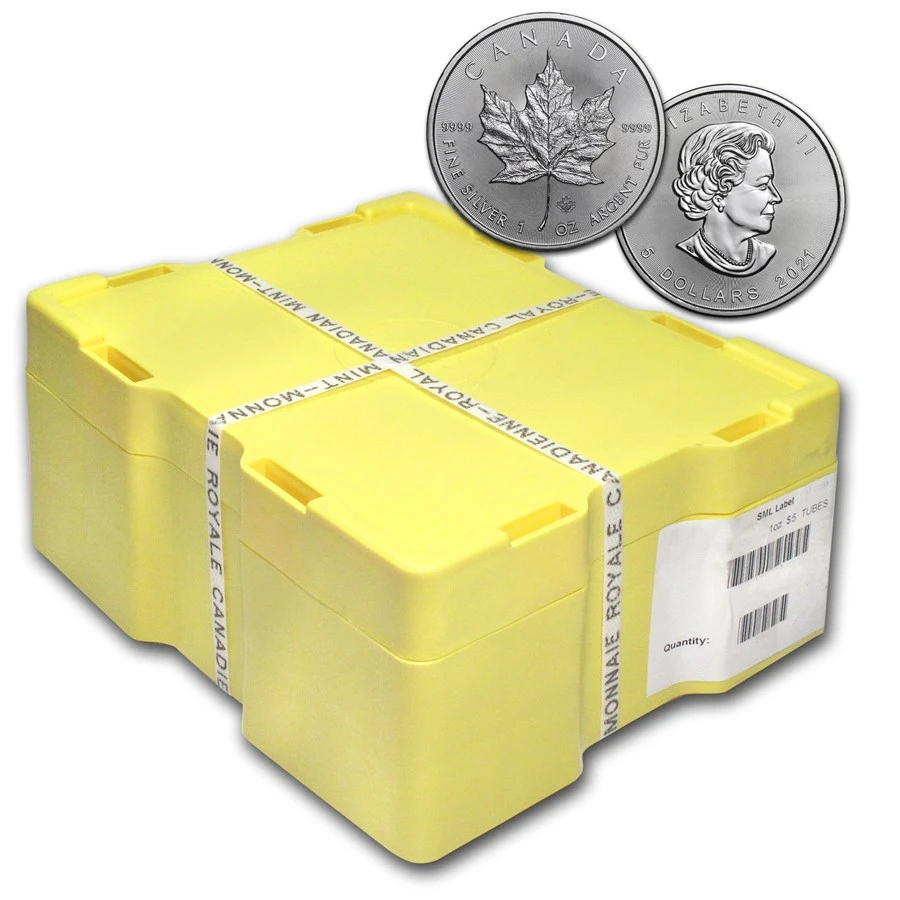
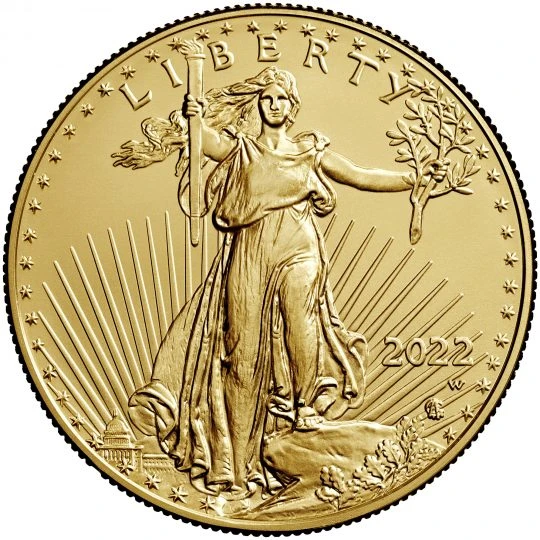
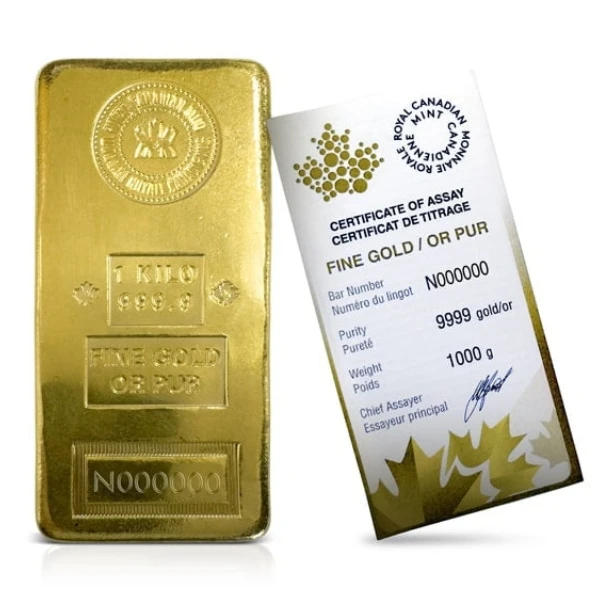
- Physical Gold: Coins, bars, and bullion provide direct ownership and tangible security.
- Gold ETFs and Funds: For easier liquidity and lower storage concerns, exchange-traded funds (ETFs) or mutual funds provide exposure to the gold price.
- Gold Mining Stocks: Investing in companies that produce gold offers leveraged exposure but comes with additional market risks.
Conclusion
Gold’s historical performance demonstrates its unique ability to preserve wealth over centuries. Its scarcity, durability, and universal acceptance make it an invaluable tool for long-term financial security. By studying the lessons of history, investors can appreciate why gold remains a reliable hedge against economic volatility, inflation, and uncertainty. For anyone seeking to safeguard wealth across generations, gold continues to shine as a timeless investment.












Sign in to leave a comment.