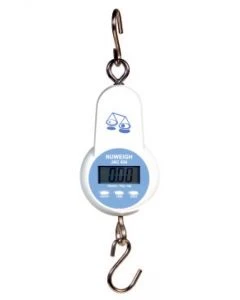
The fishing industry has always been built on precision, from casting nets in the right waters to weighing the day’s catch. For both commercial and recreational fishermen, accurate weight measurements are not just about knowing how much fish has been caught—they’re tied directly to profitability, sustainability, and compliance with fishing regulations. One of the most trusted tools in this process is the hanging scale.
What Are Hanging Scales?
Hanging scales are weighing devices that measure the weight of an object suspended from a hook or attachment point. Unlike platform or bench scales, hanging scales don’t require a flat surface. Instead, the item is hung vertically, and the scale registers its weight.
In the fishing industry, hanging scales are commonly used to weigh:
- Individual fish
- Bulk catches in nets or baskets
- Containers filled with seafood
- Equipment and gear (in some cases)
Modern hanging scales range from simple mechanical models to advanced digital devices with high precision, large weight capacities, and added features like data recording.
Why Accuracy Matters in the Fishing Industry
Accurate weighing is vital in the fishing industry for several reasons:
- Regulatory Compliance – Many countries enforce strict fishing quotas to prevent overfishing and protect marine ecosystems. Accurate weighing ensures that fishermen remain compliant with these laws.
- Fair Trade and Pricing – Fishermen often sell their catch by weight. Inaccurate measurements can lead to disputes between suppliers, distributors, and buyers.
- Inventory Management – For commercial operations, accurate catch weights help with processing, packaging, and distribution planning.
- Sustainability – Overestimating or underestimating catches can harm fish populations. Accurate weighing supports responsible harvesting practices.
- Reputation – Consistently providing fair and accurate weights strengthens trust between fishermen, processors, and consumers.
How Hanging Scales Work in Fishing Operations
Hanging scales are designed to function in rugged environments, making them ideal for use at docks, fish markets, and even onboard fishing vessels. Here’s how they fit into daily operations:
1. Onboard Weighing
Fishermen can weigh individual fish or bulk catches immediately after retrieval. This provides real-time insight into whether fishing quotas are being met.
2. Dockside Weighing
At ports or fish markets, hanging scales are used to weigh fish before they’re sold, ensuring accurate pricing and trade transparency.
3. Processing Plants
Before seafood is processed, hanging scales help with sorting, batching, and quality control by verifying weights against standards.
4. Competitions and Recreational Fishing
In fishing tournaments, hanging scales are used to measure trophy catches, where even slight inaccuracies could determine the outcome of the competition.
Types of Hanging Scales Used in Fishing
Different fishing operations rely on different types of hanging scales depending on their needs:
- Mechanical Hanging Scales
- Simple, durable, and require no power source.
- Ideal for outdoor use and small-scale operations.
- Lower precision compared to digital models.
- Digital Hanging Scales
- Provide high-precision readings with clear digital displays.
- Can include features like tare functions, unit conversions, and data logging.
- Suitable for commercial fishing operations where accuracy is critical.
- Heavy-Duty Hanging Scales
- Built to handle large nets, crates, or containers.
- Often equipped with robust hooks and shackles.
- Perfect for industrial-scale fishing operations.
Benefits of Hanging Scales in the Fishing Industry
1. Portability
Unlike bulky weighing equipment, hanging scales are lightweight and portable. Fishermen can carry them on boats, docks, or processing areas with ease.
2. Durability in Harsh Environments
Fishing environments expose equipment to saltwater, humidity, and rough handling. Hanging scales are often designed with corrosion-resistant materials like stainless steel to withstand these conditions.
3. Flexibility
They can handle a wide range of weights—from a few kilograms to several hundred kilos—making them suitable for small catches and bulk loads alike.
4. Ease of Use
Hanging scales are straightforward to operate. A simple hook mechanism allows quick attachment of nets, baskets, or fish.
5. Improved Traceability
Digital hanging scales can store and transfer data, enabling fishermen to track catch weights and maintain records for audits or compliance.
Challenges in Using Hanging Scales
While hanging scales are incredibly useful, they also present some challenges:
- Environmental Factors: Saltwater exposure and extreme weather can damage sensitive components.
- Calibration Needs: Regular calibration is required to maintain accuracy.
- Overloading Risks: Using a scale beyond its capacity can cause damage and inaccurate readings.
- Battery Dependency (for Digital Models): Digital hanging scales need reliable power sources, which can be challenging in remote fishing locations.
These challenges can be managed through proper maintenance, selecting the right model, and training users in correct handling.
Best Practices for Accurate Weighing in Fishing
To ensure reliable performance, fishermen should follow these best practices:
- Choose the Right Capacity – Select a hanging scale that can handle the maximum expected weight.
- Regular Calibration – Periodically calibrate scales to ensure accuracy.
- Environmental Protection – Use waterproof or corrosion-resistant models in marine settings.
- Tare Function – Make use of tare settings to exclude the weight of nets, baskets, or containers.
- Proper Handling – Avoid sudden impacts, overloading, or twisting loads while weighing.
- Routine Maintenance – Clean scales regularly and inspect hooks and load-bearing parts for wear.
By adopting these practices, fishing operations can minimise errors and extend the life of their equipment.
The Role of Hanging Scales in Sustainable Fishing
Sustainability is becoming a key concern for the global fishing industry. Hanging scales contribute by:
- Supporting Catch Quotas: Ensuring fishermen do not exceed legal limits.
- Reducing Waste: Accurate weighing helps processors plan better, minimising spoilage.
- Promoting Fair Trade: Transparent weights prevent disputes between buyers and sellers.
- Strengthening Supply Chains: Reliable data improves tracking from ocean to consumer.
By providing accurate, consistent, and reliable weight data, hanging scales play a small but vital role in promoting sustainable fishing practices.
Future Trends in Hanging Scales for Fishing
As technology advances, hanging scales are evolving to meet the growing demands of the fishing industry:
- Smart Scales with IoT Integration: Allow real-time data transfer to monitoring systems.
- Cloud-Based Data Storage: Enables fishermen to maintain digital catch records for compliance.
- Solar-Powered Models: Reduce reliance on batteries in remote or offshore environments.
- Enhanced Durability: Advanced corrosion-resistant coatings for long life in marine conditions.
These innovations promise to make hanging scales even more accurate, durable, and valuable to fishermen.
Conclusion
Hanging scales may seem like a simple tool, but in the fishing industry, they play a vital role in ensuring accuracy, compliance, and sustainability. From dockside markets to large-scale commercial operations, these scales provide the precision needed to manage catches responsibly and fairly.
By investing in high-quality hanging scales and maintaining them properly, fishermen can ensure accurate weighing, build stronger relationships with buyers, and contribute to a more sustainable fishing industry.
In short, hanging scales don’t just measure fish—they measure trust, fairness, and the future of the industry.










Sign in to leave a comment.