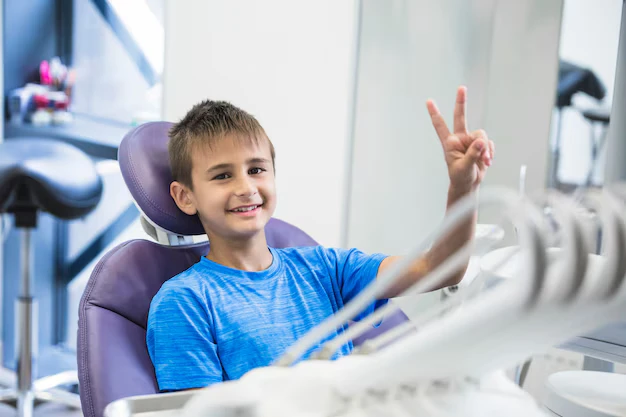

As children grow, their dental health is critical to their overall well-being. Childhood is a time of rapid development, and it’s not uncommon for children to experience various dental issues. Pediatric orthodontists play a vital role in identifying and correcting these problems, ensuring that children have healthy, functional teeth and beautiful smiles as they transition into adulthood. This article explores common childhood dental issues and how a pediatric orthodontist can effectively address them.
Understanding Common Childhood Dental Issues
Before delving into how pediatric orthodontists can correct these problems, it’s essential to understand the common dental issues that often arise during childhood. These include:
1. Overcrowding of Teeth
Overcrowding occurs when there isn’t enough space in the jaw for a child’s teeth to align correctly. This can lead to teeth pushing against one another, resulting in misalignment and difficulty maintaining oral hygiene. Overcrowded teeth can increase the risk of cavities and gum disease due to difficulty cleaning between teeth.
2. Crossbites
A crossbite occurs when a child’s upper teeth do not properly align with their lower teeth when biting down. This misalignment can affect the child’s bite and lead to uneven wear on the teeth. Crossbites can cause jaw discomfort and lead to long-term issues if not addressed early.
3. Underbites
An underbite is characterized by the lower teeth protruding beyond the upper teeth. This condition can affect a child’s ability to chew and speak correctly, leading to potential discomfort and self-esteem issues. Early intervention is crucial to correct an underbite and prevent complications later in life.
4. Overbites
An overbite occurs when the upper front teeth significantly overlap the lower front teeth. While some overbite is normal, excessive overbite can lead to problems such as jaw pain, difficulty chewing, and an increased risk of tooth wear.
5. Gaps Between Teeth
Gaps between teeth, also known as spacing issues, can occur for various reasons, including missing teeth or an oversized jaw. While some gaps may not threaten oral health, they can affect a child’s confidence and lead to alignment issues as they grow.
6. Thumb-Sucking and Other Habits
Thumb-sucking and other oral habits, such as prolonged pacifier use or tongue thrusting, can lead to dental problems if they persist beyond a certain age. These habits can interfere with regular dental development, leading to misalignment of teeth and changes in the shape of the jaw.
The Role of a Pediatric Orthodontist
Pediatric orthodontists are specially trained to diagnose and treat dental issues in children. Their expertise allows them to develop comprehensive treatment plans tailored to each child’s needs. Here’s how pediatric orthodontists can address the common dental issues outlined above:
1. Comprehensive Evaluation
During the first visit, a pediatric orthodontist will thoroughly evaluate your child’s dental health. This assessment typically includes a physical examination of the teeth and jaws and diagnostic imaging, such as X-rays, to gain a complete understanding of the child’s dental structure.
By identifying issues early, the orthodontist can devise a proactive plan to address any concerns before they escalate. Early intervention is often key to achieving the best results with less invasive treatments.
2. Custom Treatment Plans
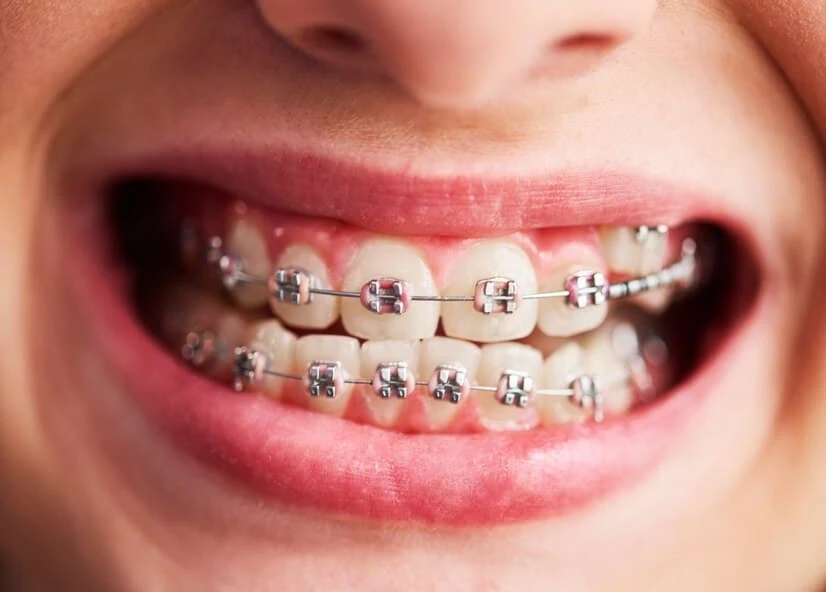
Once the assessment is complete, the orthodontist will create a personalized treatment plan to address your child’s dental issues. This may include a combination of orthodontic appliances, such as braces, expanders, or retainers.
The orthodontist may recommend braces or other devices to gradually shift the teeth into proper alignment if overcrowding is identified. In cases of crossbites or underbites, the orthodontist may use functional appliances to guide the growth of the jaws and improve alignment.
3. Managing Growth and Development
Pediatric orthodontists also monitor the growth and development of the jaw and teeth throughout childhood and adolescence. They can identify how the permanent teeth are coming in and recommend any needed interventions.
For example, suppose a child is experiencing spacing issues due to missing teeth. In that case, the orthodontist may suggest space maintainers hold the position of the adjacent teeth until the permanent teeth erupt. This proactive approach helps prevent misalignment and overcrowding in the future.
4. Addressing Oral Habits
If a child has thumb-sucking or other oral habits, the orthodontist can provide guidance on how to break these habits. They may recommend behavioral strategies or appliances to discourage thumb-sucking, helping to prevent potential dental complications.
For instance, a pediatric orthodontist might suggest a habit appliance, a removable device designed to discourage thumb-sucking by making it less comfortable for the child.
5. Creating a Positive Experience
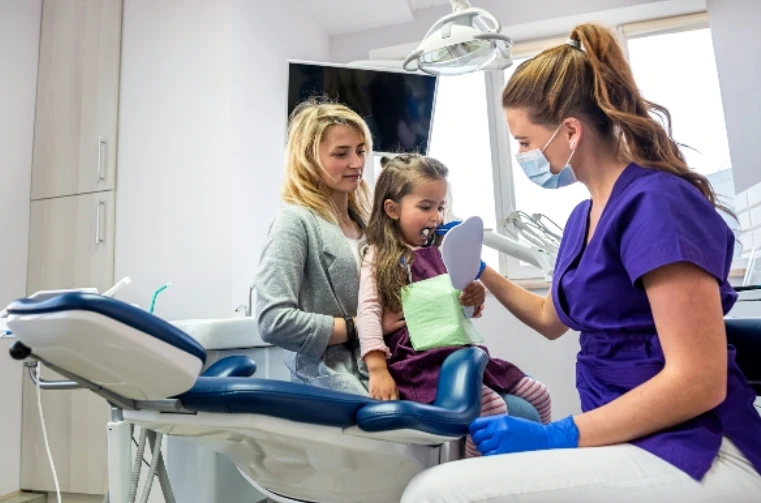
Pediatric orthodontists are skilled in working with children and understanding their unique needs and anxieties. They create a friendly and supportive environment, helping children feel at ease during their appointments.
By fostering a positive experience, pediatric orthodontists encourage children to be more engaged in their dental health. This makes it easier for them to follow treatment recommendations and maintain good oral hygiene.
6. Long-Term Monitoring and Maintenance
After treatment, pediatric orthodontists continue to monitor their patients to ensure that the results are maintained as the child grows. Regular follow-up appointments allow the orthodontist to track the development of the teeth and jaw and make any necessary adjustments to retainers or other appliances.
This long-term care is crucial in preventing the recurrence of dental issues and ensuring that the child maintains a healthy smile throughout adolescence and into adulthood.
7. Educating Parents and Children
Pediatric orthodontists prioritize education, helping parents and children understand the importance of dental health. They provide guidance on proper oral hygiene practices, dietary considerations, and how to care for orthodontic appliances.
Pediatric orthodontists empower parents and children to take an active role in their dental care by equipping families with the knowledge needed to maintain oral health.
Emphasizing Prevention
Ultimately, pediatric orthodontists aim to correct dental issues and prevent future problems. By emphasizing the importance of early evaluation and intervention, they can help children maintain healthy teeth and jaws.
Regular check-ups and open communication with a pediatric orthodontist can set the foundation for a lifetime of good oral health. By addressing common childhood dental issues early on, families can ensure their children grow up with beautiful smiles and improved confidence.
Pediatric orthodontists critically correct ordinary childhood dental issues through comprehensive evaluations, personalized treatment plans, and ongoing support. Their specialized training and commitment to patient care ensure that children receive the best possible orthodontic treatment, paving the way for a healthy and confident future.












Sign in to leave a comment.