In the healthcare world, accuracy is everything. From diagnosing diseases to prescribing treatments, precise data plays a vital role in patient care. One often overlooked but essential tool in this process is the medical scale. While it might seem like a basic piece of equipment, the accuracy of medical scales can significantly impact early detection, ongoing treatment, and overall patient outcomes.
The Role of Medical Scales in Healthcare
Medical scales are used in hospitals, clinics, nursing homes, pharmacies, and even in patients’ homes. They come in various forms, including:
- Adult and pediatric scales
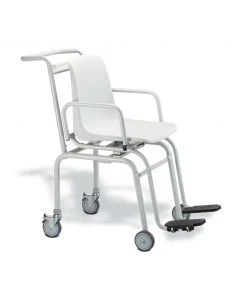
- Wheelchair-accessible scales
- Bed and stretcher scales
- BMI scales
- Baby and neonatal scales
While they serve different patient groups, their goal is the same: to provide precise, reliable body weight data that supports diagnosis, treatment, and monitoring.
Why Accuracy Matters
1. Small Variations Can Indicate Big Problems
In medical settings, even a small fluctuation in body weight can signal a change in health status. For example:
- Sudden weight gain may indicate fluid retention, often associated with heart failure or kidney disease.
- Unintentional weight loss can point to conditions such as cancer, malnutrition, thyroid disorders, or gastrointestinal issues.
- Stunted growth or lack of weight gain in children can reveal developmental issues or underlying chronic illnesses.
With accurate scales, these trends can be spotted early—before symptoms become more severe or irreversible.
2. Precision Supports Correct Dosage and Treatment Plans
For patients receiving medication based on weight—such as chemotherapy, anaesthesia, or paediatric dosing—a small error can lead to underdosing or overdosing, both of which have serious implications. Highly accurate medical scales ensure treatments are based on the most precise data available.
Early Detection Through Regular Monitoring
When weight is tracked consistently and accurately, clinicians can identify trends that might otherwise go unnoticed. Some examples include:
Chronic Illnesses
- Patients with diabetes often experience changes in weight due to blood sugar levels, medications, or complications.
- In renal failure, weight gain due to fluid build-up can signal worsening kidney function.
- Heart failure patients may gain a kilogram or more in a day due to fluid accumulation. Daily weighing with an accurate scale helps detect this early and adjust treatment accordingly.
Cancer Detection
Unexplained and rapid weight loss is often a red flag for underlying cancers such as pancreatic, lung, or stomach cancer. Detecting this drop early allows for timely diagnostic testing.
Mental Health and Eating Disorders
In patients with anorexia, bulimia, or depression, subtle changes in body weight can indicate the onset or progression of mental health conditions. Reliable scales provide clinicians with objective data to guide conversations and interventions.
Growth and Development in Children
Pediatricians monitor growth charts closely. Even slight deviations from normal weight gain can signal underlying genetic, hormonal, or nutritional issues. In neonatal care, where changes of just a few grams matter, precision baby scales are essential.
Types of Medical Scales Designed for Accuracy
Modern medical scales are engineered with advanced features to support clinical accuracy and usability:
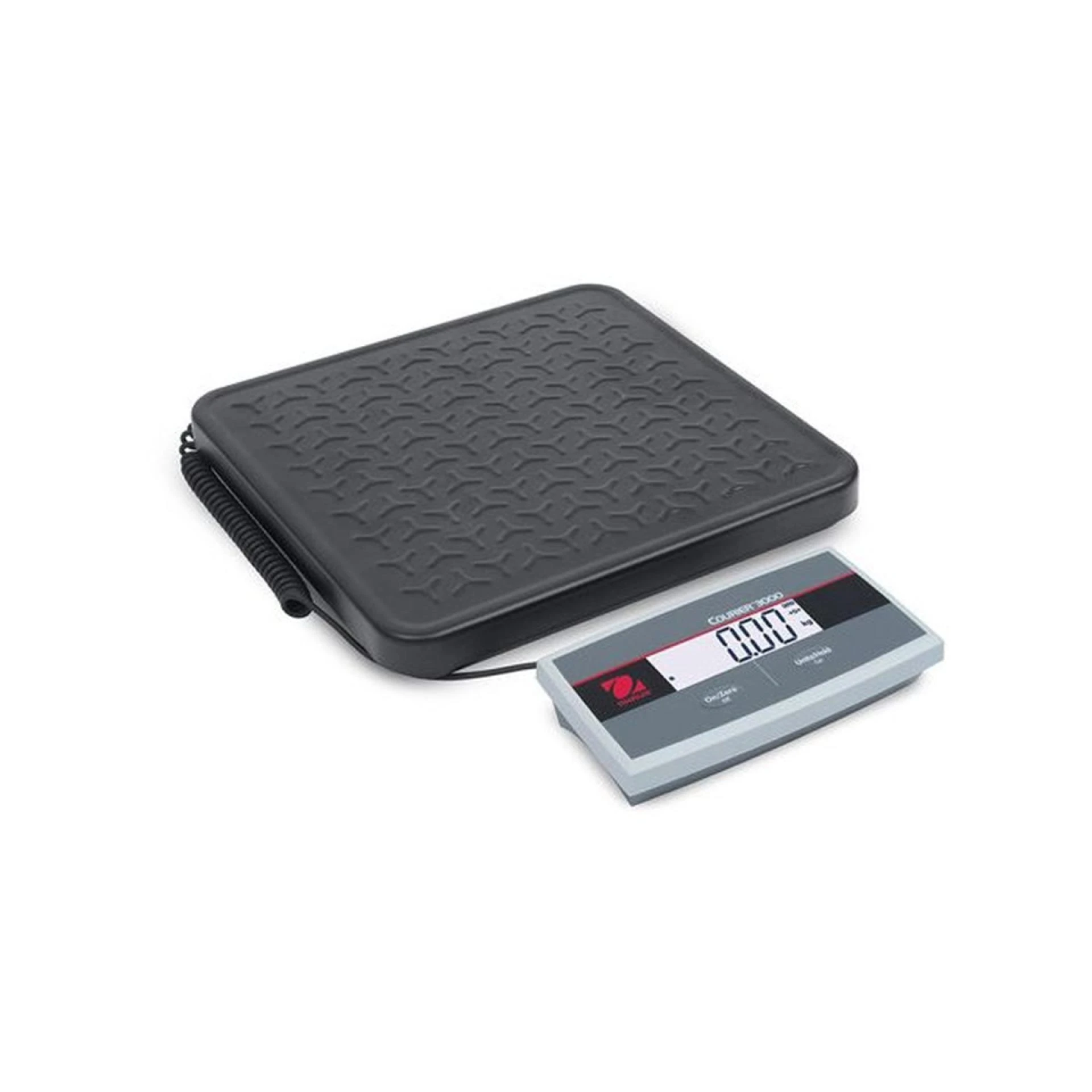
1. Digital Scales
- Offer fast, precise readings
- Can be integrated with electronic medical records (EMR)
- Often include BMI calculation and tare functions
2. Wheelchair and Bariatric Scales
- Wheelchair scales are designed for mobility-impaired or obese patients
- Feature wide platforms, ramps, and high-capacity load cells
- Essential in long-term care facilities and hospitals
3. Infant and Neonatal Scales
- Sensitive enough to measure weight changes in grams
- Provide vital data in NICUs for medication dosing and growth monitoring
4. Integrated Height and Weight Systems
- Combine digital scales with height measurement for quick BMI readings
- Streamline patient intake and wellness assessment
How Inaccurate Scales Can Lead to Misdiagnosis
Using an inaccurate or poorly maintained scale can result in:
- Delayed diagnosis due to unnoticed weight fluctuations
- Inappropriate treatment plans based on false data
- Medication errors in weight-based dosing
- Inconsistent records, making it difficult to track patient progress
In healthcare, where decisions are data-driven, even a small measurement error can lead to misguided clinical choices.
Maintenance and Calibration: Keeping Scales Accurate
Even the best medical scale can become inaccurate if not maintained properly. Regular calibration and servicing are crucial. Here’s how healthcare providers can ensure accuracy:
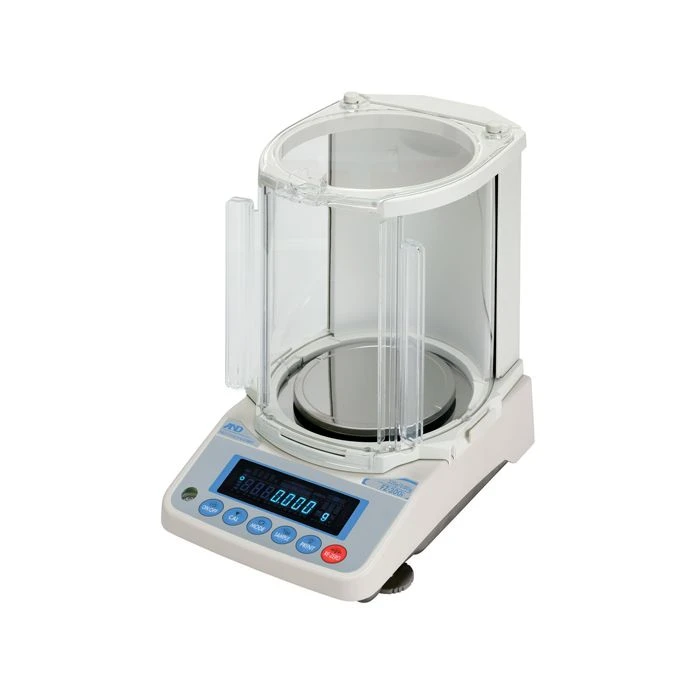
- Schedule regular calibration using certified weights
- Train staff on proper weighing procedures (e.g., zeroing the scale, weighing at the same time daily)
- Inspect scales for wear, damage, or instability
- Keep batteries charged or check power sources regularly
By establishing these practices, facilities can avoid drift in accuracy and maintain the integrity of patient data.
At-Home Monitoring: Empowering Patients with Accurate Tools
The rise of telehealth and chronic disease management at home has increased the demand for personal medical-grade scales. Accurate at-home weighing supports:
- Remote consultation with doctors
- Early detection of health changes
- Personal responsibility in managing chronic conditions like diabetes or hypertension
Choosing a certified medical scale for home use ensures patients receive professional-grade accuracy and reliability.
Investing in Health: Why Quality Scales Are Worth It
While cheaper, consumer-grade scales may be tempting for small clinics or home use, they often lack the precision and durability required for medical applications. Investing in a professional medical scale pays off in the long run through:
- Fewer errors and retests
- More accurate diagnoses and treatment plans
- Improved patient outcomes
- Regulatory compliance with healthcare standards
Ultimately, accurate weighing isn’t just about numbers—it’s about better health care delivery.
Final Thoughts
In modern healthcare, early detection can mean the difference between a manageable condition and a life-threatening emergency. Accurate medical scales are a vital part of this early warning system. Whether it’s tracking weight in newborns, monitoring heart failure patients, or managing chronic illnesses, having the right scale ensures clinicians and patients are equipped with the data they need to act swiftly and confidently.
By prioritising precision and reliability, medical scales contribute not only to early diagnosis, but also to better long-term health outcomes—making them an essential tool in every healthcare setting.











Sign in to leave a comment.