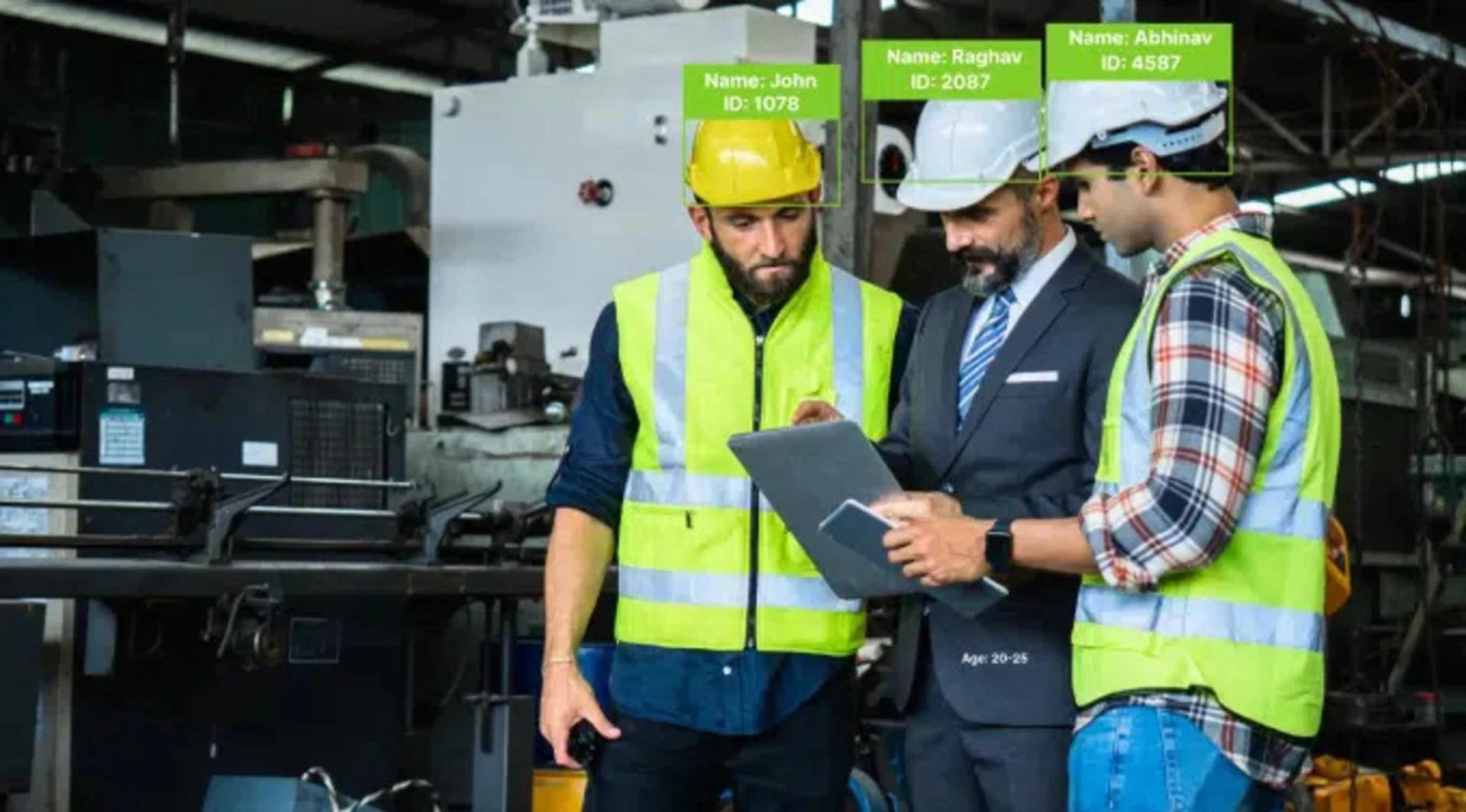

The manufacturing sector is continuously changing at a rapid pace. Industry 4.0 technologies prioritize automation, data-led decision making, and operational efficiency. In the midst of all these innovations, AI video analytics in the manufacturing industry has taken center stage. In contrast to conventional surveillance systems, AI video analytics can transform raw video footage into actionable insights. This empowers factories to facilitate safety, productivity, and product quality.
By 2025, manufacturers are utilizing this technology, not only to observe and monitor operations, but to proactively predict problems, optimize workflows, and interpret compliance. Let us explore how AI video analytics is transforming the manufacturing experience.
An Overview of AI Video Analytics in Manufacturing
AI video analytics provides a combination of computer vision algorithms and machine learning models that decipher the video feeds. Unlike traditional video feeds that simply record footage, these systems will:
- Detect unsafe behavior or hazardous conditions.
- Identify inefficiencies in equipment or production lines.
- Monitor workflow efficiencies and shifts in employee movement.
- Automate alerts and reporting to facilitate expedient decision-making.
Integrating AI video analytics with other factory systems, like ERP, MES, and IoT devices, creates interconnected framework where every machine, process, and worker contributes to a connected data-led operating environment in manufacturing.
1. Improving Workplace Safety
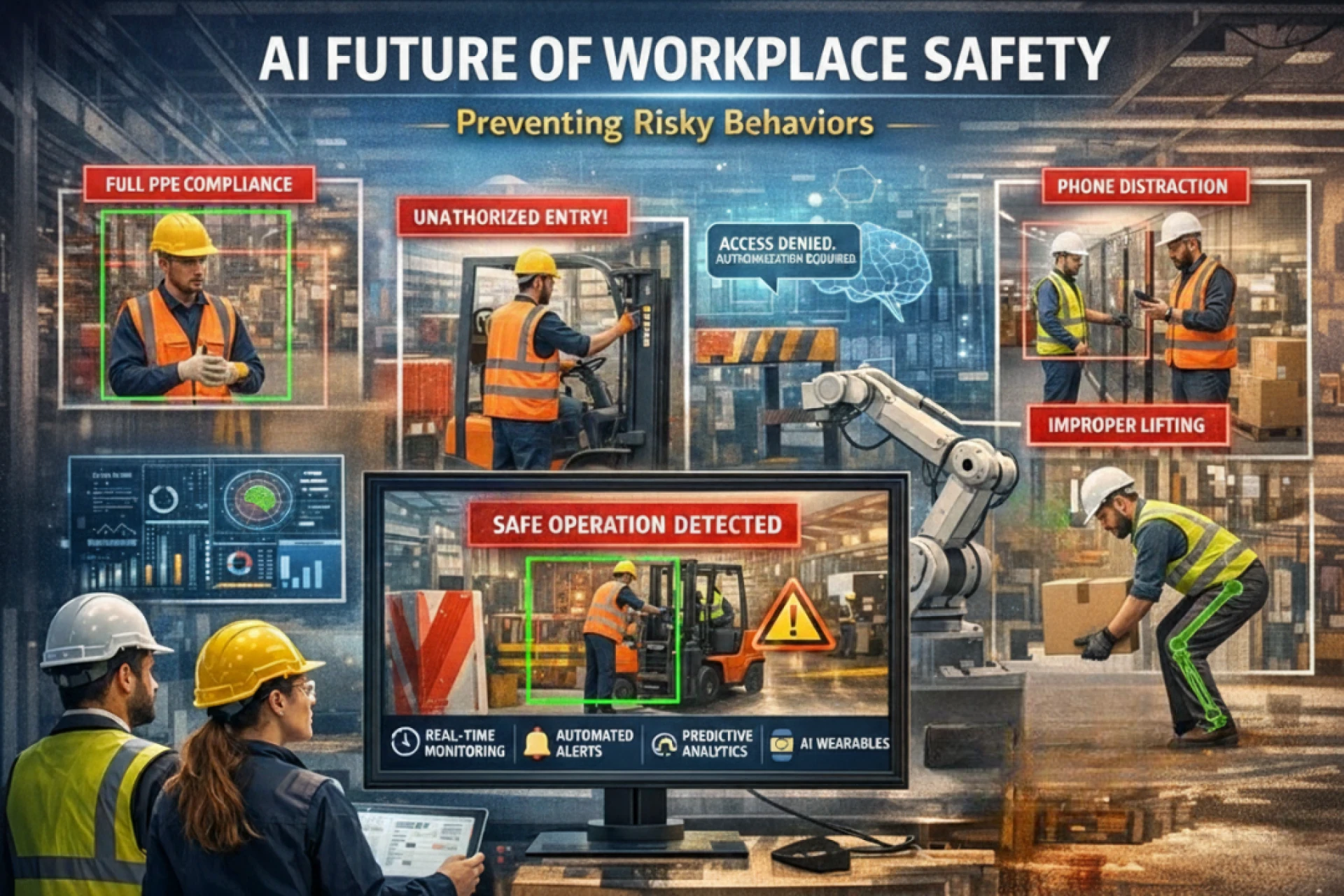
Safety comes first in the manufacturing industry considering the hazards of heavy machinery, possible chemical exposure, and complex workflows. AI video analytics promote enhanced safety through:
- Real-time hazard identification: Identifying unsafe behaviors such as bypassing safety protocols, entering prohibited zones, or failure to comply with safe operating procedures.
- Automated alerts: Alerts supervisors immediately to reduce the likelihood a hazard will result in an accident.
- Incident review: Review recorded footage for enlightening analysis and the potential could lead to preventive action.
By having one less distraction on their plates, management can not only monitor operations instead of diversifying their attention, they can use the insight to not only reduce workplace injuries, but to leverage safety into a positive culture of compliance.
2. Increasing Productivity
Efficiency is critical in the modern manufacturing environment. Delay or lost time, no matter how short, in the process can mean lost dollars. AI video analytics drive increased productivity through:
- Workflow enhancements: View and track the movement of employees, the usage of machines, and limitations of production due to bottlenecks.
- Predictive maintenance: The ability to identify early signs of equipment malfunction offers both productivity and downtime relief compared to the long lead time of a typical maintenance/repair schedule.
- Automation support: AI-powered systems can now interface with robots, automated machinery, and automation as a whole to provide multi-system processes.
Heightened productivity allows factories to maximize their outputs, minimize downtime, and enable lean cycle times.
3. Providing Product Quality
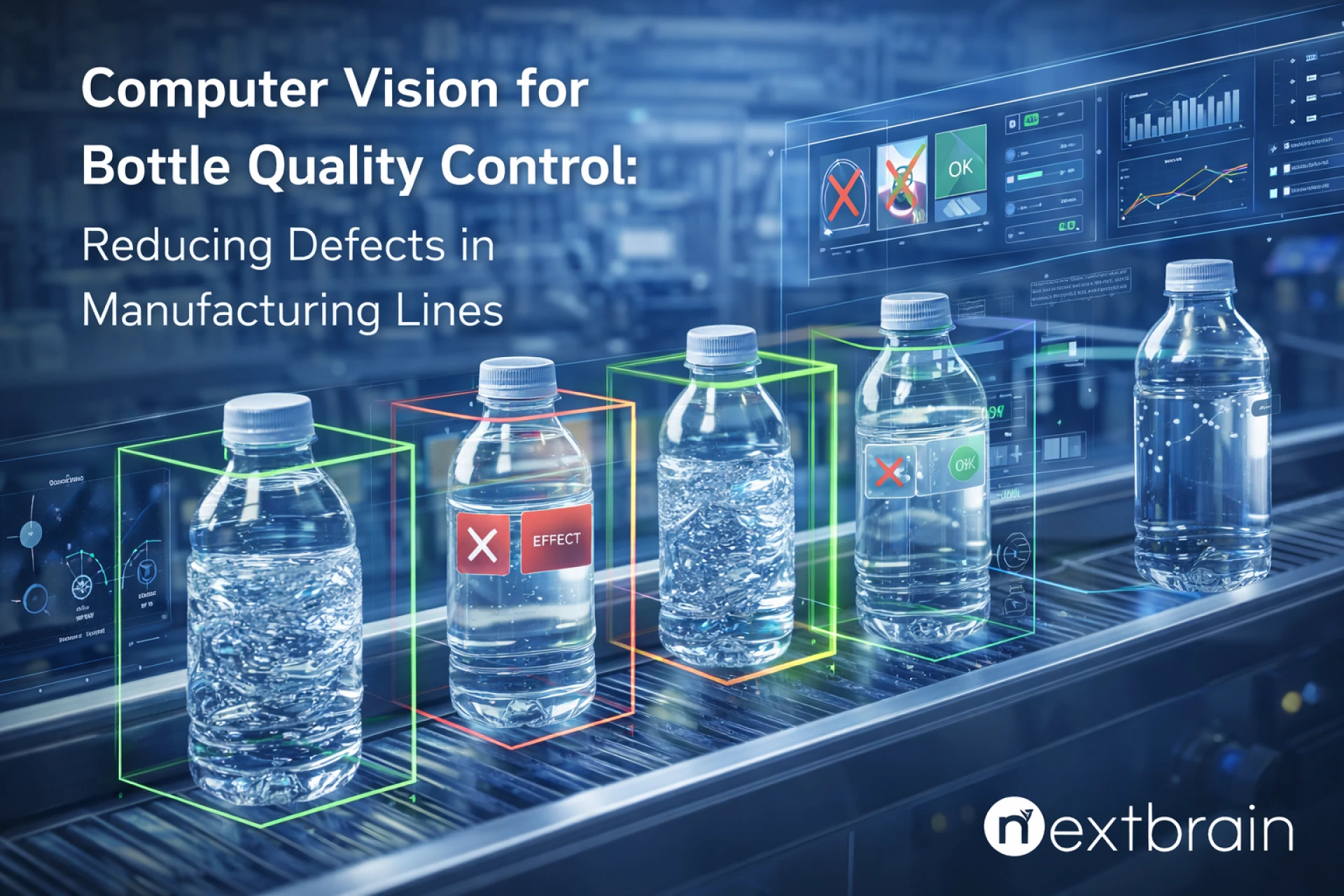
Ensuring product quality is vital for customer satisfaction and brand reputation. Video analytics powered by AI helps companies improve quality control through:
- Defect detection: Real-time detection of visual defects, assembly mistakes, and deviations from specifications.
- Precision monitoring: Monitoring of manufacturing processes and product specifications to ensure consistency.
- Traceable insights: Reporting and analytics to facilitate meeting regulatory standards and ISO compliance.
Using AI, manufacturers can reduce waste, rework, and defects to produce consistent and quality end products.
4. Monitoring and Decision Making in Real Time
One of the greatest advantages of AI video analytics is the real-time intelligence. Unlike having humans monitor in real time, AI systems:
- Monitor multiple cameras simultaneously.
- Price instantly alert to anomalies, or delay.
- Provide actionable observations to supervisors or an automated system.
This allows for a faster response time and faster factories can proactively correct errors, address free time, and maintain production lines smoothly.
5. Connectivity to Industry 4.0
AI video analytics is an enabling technology for Industry 4.0, in which interconnected systems support smarter manufacturing. AI-based video analytics systems can interconnect with other systems such as IoT sensors, robotics, and cloud platforms to create:
- Digital twins: Virtual representations of factory processes for simulating and optimizing operations.
- Predictive analytics: Predict equipment failures and delays in production delivery time.
- Data driven insights: Optimize energy consumption in a factory, and allocate resources in a factory and opportunities to position employees.
Such connectivity enables factories to support all aspects of smart factories deriving from Industry 4.0.
6. Cost Reduction and ROI
While implementing AI video analytics may require initial costs, it will produce long term benefits that can far exceed these costs:
- Reduced workplace incidents: This means reduced medical and insurance costs.
- Reduced downtime: Predictive maintenance will ensure a breakdown is costly to resolve.
- Reduced defects: This enhances product quality and reduces waste and rework.
Overall, AI Video analytics will provide significant return on investment, through improving operational efficiency and safety.
7. Application Across Manufacturing Operations
AI video analytics is adaptable and can be applied to many areas of your manufacturing operation:
- Assembly line inspection: This ensures both accuracy and efficiency is achieved.
- Inventory management: Know where raw materials or finished goods are at all times.
- Security: Know when unauthorized access or theft has occurred.
- Employee productivity: Use the AI based analytics to isolate areas where improvement or training may be required.
AI can be implemented across multiple operations for more global operational improvements.
Nextbrain: Your Partner in AI Video Analytics for Manufacturing
Nextbrain Technologies is a top player in AI Video analytics software for the manufacturing industry, for manufacturers wanting to prepare for the future.. As an AI and computer vision specialist, Nextbrain can provide solutions to:
- Monitor production lines in factory environments for safety and quality - in real-time.
- Provide insights for actionable opportunities to increase workflow and productivity.
- Integrate into existing factory technologies, including IoT and ERP applications.
With your partnership, manufacturers can make their operations smarter, safer and more efficient.
FAQs
1. What is AI video analytics in manufacturing?
It's a technology that utilizes AI and computer vision to analyze video feeds to gain insights into safety, productivity, and quality.
2. How does it improve safety?
The AI video analytics detects unsafe behavior, hazardous conditions, and unauthorized access in real-time.
3. Can AI video analytics detect product defects?
AI video analytics can detect visual defects, assembly errors, or an item that does not meet specifications in real-time.
4. Is it hard to integrate the technology with existing factory systems?
No. Modern AI video analytics solutions are built to integrate with existing ERP, MES, and IoT systems seamlessly.
Final Thoughts
As we reach 2025, implementing AI video analytics in manufacturing is no longer an option — it is a strategic imperative. With capabilities such as improved safety, productivity and product quality, AI video analytics provides manufacturers with the ability to make faster, smarter, data-driven decisions.
When you partner with experts like Nextbrain Technologies, you can be sure that you will harness the full potential of AI video analytics to increase operational excellence and drive sustainable growth.
Contact Nextbrain today to revolutionize your manufacturing process with innovative AI technology.








Sign in to leave a comment.