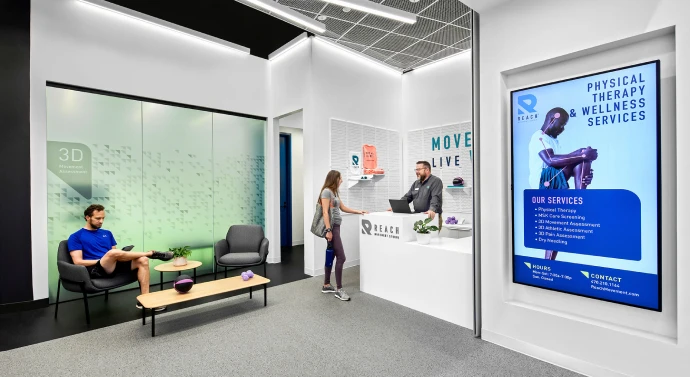

Digital signage, which involves the use of electronic displays to convey information, can significantly improve the healthcare sector by enhancing communication, improving patient experience, increasing efficiency, and facilitating better staff coordination.
Here’s an in-depth exploration of how digital signage can benefit healthcare:
Enhanced Communication
Real-time Information Dissemination: Digital signage software allows healthcare facilities to display real-time updates about hospital operations, emergency information, or health alerts. This ensures that patients, visitors, and staff are always informed about important developments.
Educational Content: Hospitals can use digital signage to educate patients and visitors about health conditions, treatment options, preventive measures, and wellness tips. This can empower patients with knowledge about their health and encourage proactive health management.
Wayfinding Assistance: Large hospitals can be complex to navigate. Digital signage can provide interactive maps and directional assistance, helping patients and visitors find their way to specific departments, clinics, or services efficiently.
Improved Patient Experience
Reduced Perceived Wait Times: In waiting areas, digital signage can display engaging content such as news, weather updates, or educational videos, making wait times feel shorter and more bearable for patients and visitors.
Personalized Patient Care: Digital signage can be integrated with patient management systems to provide personalized messages, such as welcoming patients by name upon arrival or displaying appointment details, which enhances the patient’s sense of care and attention.
Patient Room Information: In inpatient rooms, digital signage can display relevant information about the patient’s care plan, scheduled procedures, or dietary restrictions, ensuring that both patients and their families are well-informed about their treatment.
Increased Efficiency
Streamlined Operations: Digital signage can display operational metrics, such as the status of operating rooms, bed availability, or staff schedules, enabling more efficient management of hospital resources and reducing bottlenecks.
Emergency Notifications: In case of emergencies, digital signage can quickly broadcast important alerts and instructions to both staff and patients, ensuring timely and coordinated responses.
Queue Management: In outpatient clinics or diagnostic centers, digital signage can manage queues by displaying the order of appointments, reducing confusion and ensuring an orderly flow of patients.
Better Staff Coordination
Internal Communication: Digital signage can be used in staff-only areas to display important updates, policy changes, or reminders about upcoming training sessions. This ensures that all staff members are kept informed and up-to-date.
Training and Development: Digital signage can be employed for staff training by displaying instructional videos, procedural updates, or new medical guidelines. This can be particularly useful in ensuring that all staff receive consistent information without the need for formal training sessions.
Performance Metrics: Displaying performance metrics and goals can motivate healthcare staff by providing real-time feedback on their performance, fostering a culture of continuous improvement.
Enhanced Visitor Engagement
Visitor Information: Digital signage can provide visitors with essential information such as visiting hours, hospital policies, and amenities available within the facility, enhancing their overall experience.
Community Outreach: Hospitals can use digital signage to promote community health programs, upcoming events, or public health campaigns, fostering stronger community engagement and awareness.
Integration with Modern Technologies
Interactive Touchscreens: Incorporating interactive touchscreens into digital signage allows for a more engaging user experience. Patients and visitors can access detailed information about hospital services, health information, or wayfinding assistance at their own pace.
IoT Integration: Integrating digital signage with Internet of Things (IoT) devices can further enhance operational efficiency. For example, sensors can detect patient flow and adjust digital signage content in real-time to manage crowding or direct patients to less busy areas.
Telehealth and Remote Consultations: Digital signage can support telehealth initiatives by displaying information about remote consultation options, how to book virtual appointments, and guidelines for using telehealth services effectively.
Case Studies and Examples
Several hospitals around the world have successfully implemented digital signage to enhance their operations and patient care:
Cleveland Clinic: This renowned medical center uses digital signage for wayfinding, patient education, and to display live wait times in their emergency department. This has improved patient satisfaction and operational efficiency.
Mayo Clinic: At Mayo Clinic, digital signage is used to disseminate educational content in waiting areas, reducing perceived wait times and providing valuable health information to patients and visitors.
Mount Sinai Hospital: Mount Sinai has implemented digital signage to manage patient flow in their outpatient clinics, using screens to display appointment queues and reduce waiting room congestion.
Future Prospects
As technology continues to evolve, the potential for digital signage in healthcare is vast. Future advancements may include:
AI Integration: Artificial intelligence could be used to analyze data from digital signage interactions, providing insights into patient behavior and preferences, and further personalizing the content displayed.
Augmented Reality (AR): AR-enabled digital signage could offer immersive wayfinding experiences or detailed 3D visualizations of medical procedures, enhancing patient understanding and engagement.
Remote Monitoring and Control: Advances in remote monitoring could allow for the centralized management of digital signage across multiple healthcare facilities, ensuring consistent and coordinated communication.
Conclusion
Digital signage is a powerful tool that can significantly enhance various aspects of the healthcare sector. By improving communication, enhancing the patient experience, increasing operational efficiency, and facilitating better staff coordination, digital signage can contribute to a more effective and patient-centered healthcare system. As technology continues to advance, the potential for digital signage to drive innovation and improvement in healthcare will only grow, making it an essential component of modern medical facilities.









Sign in to leave a comment.