
Table of Contents
- Introduction
- Why Reliable Electrical Systems Matter in Commercial Spaces
- Common Electrical Problems That Disrupt Businesses
- What Is Included in a Professional Commercial Electrical Service
- Electrical Panel Upgrades
- Lighting Installation and Retrofits
- Outlet, Wiring, and Circuit Improvements
- Preventive Maintenance Programs
- Electrical Panel Upgrades
- Industry-Specific Electrical Needs
- How to Choose the Right Commercial Electrician
- Long-Term Benefits of Proactive Electrical Care
- Conclusion
Key Takeaways
- Reliable electrical systems are critical for uninterrupted business operations.
- Professional commercial electrical service helps prevent downtime and safety risks.
- Routine maintenance lowers long-term repair costs.
- Different industries have unique electrical requirements.
- Choosing an experienced electrician ensures compliance and efficiency.
Introduction
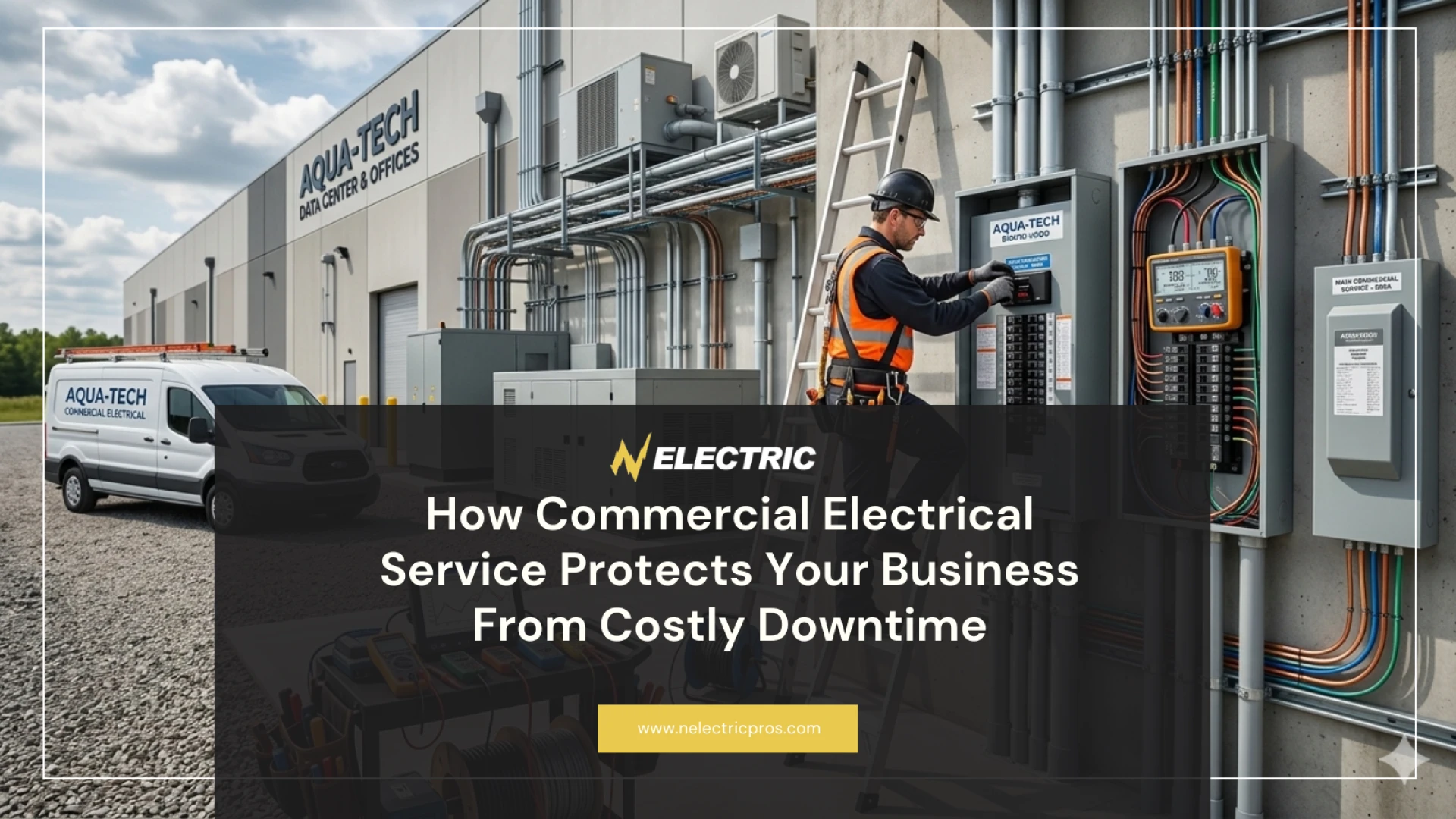
Every business depends on electricity. From lighting and security systems to computers and heavy equipment, power keeps operations moving. When issues arise, delays, lost revenue, and safety hazards quickly follow. That is why investing in a dependable commercial electrical service is not just maintenance, but protection for your business.
Whether you manage an office building, retail store, apartment complex, or hospitality property, your electrical infrastructure must perform consistently under daily demand. Understanding how professional electrical support works can help you avoid costly interruptions and maintain a safe environment for employees and customers alike.
Why Reliable Electrical Systems Matter in Commercial Spaces
Unlike residential properties, commercial buildings experience heavier electrical loads and more complex system demands. Multiple circuits operate simultaneously to power lighting, HVAC systems, appliances, computers, security systems, and specialized equipment.
When electrical systems are outdated or poorly maintained, you may face:
- Unexpected power outages
- Overloaded circuits
- Flickering or insufficient lighting
- Equipment failure
- Increased fire risk
A proactive approach to commercial electrical service ensures that your infrastructure can handle current usage and future growth.
Common Electrical Problems That Disrupt Businesses
Business owners often overlook minor electrical issues until they escalate. Some of the most common problems include:
Overloaded Panels
As businesses expand and add new equipment, electrical panels may struggle to handle increased demand. An outdated panel can trip breakers frequently or fail entirely.
Faulty Wiring
Aging wiring systems may deteriorate over time. This can result in overheating, short circuits, and inconsistent power distribution.
Lighting Inefficiencies
Poor lighting not only affects productivity but also increases energy expenses. Inefficient systems can strain circuits and reduce overall system performance.
Worn-Out Outlets and Switches
High-traffic commercial environments cause more wear on outlets and switches. Loose or damaged components pose safety risks and reduce reliability.
Identifying these issues early through scheduled inspections helps businesses avoid emergency repairs.
What Is Included in a Professional Commercial Electrical Service
A comprehensive commercial electrical service goes beyond quick fixes. It focuses on system performance, safety, compliance, and efficiency.
Electrical Panel Upgrades
Electrical panels serve as the control center of your building. Upgrading outdated panels ensures sufficient capacity for modern equipment. It also reduces the likelihood of circuit overloads and breaker failures.
Panel upgrades are especially important for older commercial buildings adapting to new technology demands.
Lighting Installation and Retrofits
Lighting affects energy consumption, safety, and employee productivity. Professional electricians install energy-efficient lighting systems, including LED retrofits and automated lighting controls.
Strategic lighting improvements can lower utility costs while improving visibility in offices, retail stores, parking lots, and common areas.
Outlet, Wiring, and Circuit Improvements
Commercial buildings often require additional outlets and dedicated circuits to support equipment. Professional electricians evaluate wiring layouts and upgrade components to meet current electrical codes.
This reduces the risk of overheating and ensures balanced power distribution throughout the property.
Preventive Maintenance Programs
Routine inspections and preventive maintenance reduce unexpected breakdowns. During maintenance visits, electricians check connections, tighten components, test load capacities, and identify early warning signs of wear.
This proactive approach helps businesses plan upgrades before failures occur.
Industry-Specific Electrical Needs
Different commercial properties have unique electrical requirements.
Offices
Office buildings rely heavily on consistent power for computers, servers, lighting, and communication systems. Surge protection and stable voltage levels are essential.
Retail Stores
Retail environments require attractive lighting displays, reliable point-of-sale systems, and functional security systems. Power disruptions directly impact customer experience and sales.
Apartment Complexes
Multi-unit properties must manage shared electrical systems while ensuring tenant safety. Panel upgrades and routine inspections are critical to prevent widespread outages.
Strip Malls
Strip malls combine multiple tenants under one infrastructure. Electrical systems must support varied business types while maintaining consistent performance.
Hotels
Hospitality properties operate around the clock. Reliable lighting, HVAC systems, elevators, and security systems depend on dependable electrical systems to protect guest satisfaction.
An experienced commercial electrician understands these differences and tailors solutions accordingly.
How to Choose the Right Commercial Electrician
Not all electricians specialize in commercial properties. Selecting the right provider is critical to maintaining safety and compliance.
Consider the following:
- Proper licensing and insurance
- Experience with commercial buildings
- Knowledge of local electrical codes
- Ability to handle large-scale projects
- Strong safety standards
Ask about preventive maintenance options, response times for emergencies, and past project experience. A qualified professional will provide transparent communication and practical recommendations.
Long-Term Benefits of Proactive Electrical Care
Investing in commercial electrical service delivers measurable advantages over time.
Reduced Downtime
Routine inspections minimize unexpected outages that disrupt business operations.
Improved Energy Efficiency
Modern upgrades reduce energy consumption and lower monthly utility costs.
Enhanced Safety
Regular maintenance decreases the risk of electrical fires and workplace hazards.
Code Compliance
Staying compliant with local and national electrical codes protects your business from fines and liability concerns.
Scalability for Growth
Upgraded electrical systems support future expansion without costly emergency modifications.
When businesses treat electrical maintenance as a strategic investment rather than a reactive expense, they protect both revenue and reputation.
Conclusion
Electricity powers every aspect of your business. Ignoring warning signs or postponing maintenance can result in costly downtime, safety risks, and operational disruptions. A professional commercial electrical service ensures your building remains efficient, compliant, and ready to handle daily demand.
By prioritizing proactive inspections, system upgrades, and industry-specific solutions, business owners and property managers create a safer environment while protecting long-term profitability. Reliable electrical infrastructure is not optional for commercial properties. It is essential for sustainable success.
Book a Commercial Electrical Service Today!
Do not wait for an unexpected outage to interrupt your operations. Schedule a professional commercial electrical service to ensure your system is safe, efficient, and built to handle your business demands.
Contact a qualified commercial electrician today to discuss inspections, upgrades, or maintenance programs tailored to your property.
Frequently Asked Questions
1. What does a commercial electrical service typically include?
A commercial electrical service includes inspections, panel upgrades, wiring improvements, lighting installation, circuit testing, and preventive maintenance for business properties.
2. How often should a commercial building schedule electrical maintenance?
Most commercial properties benefit from annual inspections, though high-demand facilities may require more frequent service.
3. Why is commercial electrical service different from residential work?
Commercial systems handle larger loads, complex wiring networks, and stricter code requirements compared to residential properties.
4. Can upgrading my electrical panel improve energy efficiency?
Yes. Modern panels distribute power more effectively and support energy-efficient systems, reducing strain and waste.
5. What types of businesses need commercial electrical service?
Offices, retail stores, apartment complexes, strip malls, hotels, and other commercial facilities rely on professional electrical service to maintain safe operations.







Sign in to leave a comment.