

The story of Israel is one of the most influential historical and spiritual narratives in world literature. Within the Hebrew Bible, commonly known as the Old Testament, a diverse collection of writings presents a sweeping account of the origins, struggles, triumphs, and spiritual development of the people of Israel. These texts are not merely historical chronicles; they combine narrative, law, poetry, prophecy, and wisdom to portray the evolving relationship between Israel and God. The Old Testament Books collectively form a narrative framework that explains Israel’s identity, covenantal obligations, and historical experiences.
Through storytelling, theological reflection, and poetic expression, the Old Testament traces the emergence of Israel as a people chosen for a particular purpose. Each section of these writings contributes to the larger narrative, offering perspectives on how Israel understood its past and its role in the unfolding history of faith.
The Foundations of Israel’s Story
The earliest Old Testament Books establish the origins of Israel by describing the beginnings of the world and the formation of a covenant community.
Creation and the Early Human Story
The opening chapters of Genesis introduce a cosmic framework that situates Israel’s story within the broader narrative of humanity. Creation accounts describe the formation of the world and humanity’s relationship with the divine. These passages emphasize themes such as responsibility, moral choice, and the consequences of disobedience.
By beginning with universal origins, the Old Testament Books frame Israel’s later history as part of a larger human drama. The stories of Adam and Eve, Cain and Abel, and the flood illustrate patterns of human behavior that recur throughout biblical history. These early narratives provide theological context for the later emergence of Israel as a people entrusted with a covenantal mission.
The Patriarchal Narratives
The story of Israel begins more directly with the patriarchs, particularly Abraham, Isaac, and Jacob. These figures are portrayed as the ancestors of the nation, and their lives form the foundation of Israel’s identity. The narrative describes divine promises of land, descendants, and blessing, establishing the covenant that shapes Israel’s future.
Through the experiences of the patriarchs, the Old Testament Books highlight themes of faith, trust, and divine guidance. Abraham’s journey, Jacob’s transformation, and Joseph’s rise in Egypt illustrate how personal stories contribute to the formation of a collective identity. These narratives also demonstrate that the history of Israel unfolds through both human action and divine involvement.
The Formation of a Nation
The next major stage in the narrative of the Old Testament Books focuses on the transformation of Israel from a family lineage into a distinct nation.
The Exodus and the Covenant at Sinai
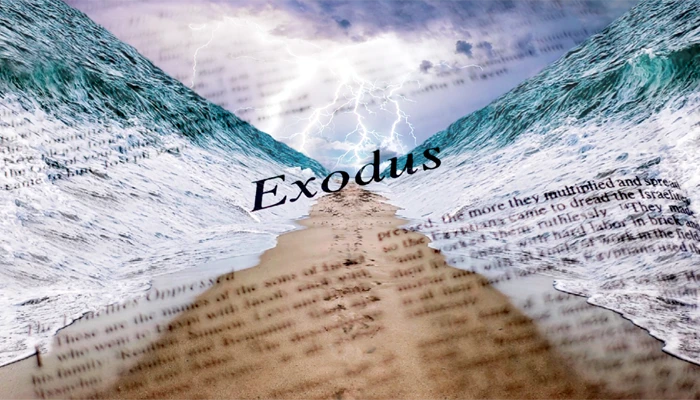
One of the most central events in Israel’s story is the Exodus from Egypt. The book of Exodus describes the liberation of the Israelites from slavery under the leadership of Moses. This event becomes a defining moment in the national memory of Israel, symbolizing freedom, divine intervention, and the beginning of a covenant relationship.
At Mount Sinai, the Israelites receive laws that shape their social and religious life. These laws establish moral guidelines, rituals, and communal responsibilities that define the covenant community. The Old Testament Books portray this covenant as the foundation of Israel’s identity and purpose.
Through these narratives, the Exodus story becomes more than a historical account. It serves as a theological statement about justice, deliverance, and the responsibilities that accompany divine favor.
Wilderness Experience and Community Formation
Following the Exodus, the Israelites spend years in the wilderness before entering the Promised Land. The wilderness narratives emphasize both the challenges and the lessons of this transitional period. The people struggle with doubt, fear, and internal conflict, yet they also receive guidance and instruction that shape their communal life.
The Old Testament Books use these experiences to illustrate the complexities of faith and obedience. The wilderness journey becomes a metaphor for spiritual formation, demonstrating that the path to fulfillment often involves testing and growth.
The Era of Kings and National Development
As Israel settles in the land of Canaan, the narrative of the Old Testament Books shifts toward political organization and the establishment of monarchy.
The Rise of Kingship
The books of Samuel and Kings describe the transition from tribal leadership to centralized monarchy. Saul becomes the first king, followed by David and Solomon. These rulers play significant roles in shaping Israel’s political and religious identity.
David is portrayed as a central figure whose reign represents both military success and spiritual devotion. His establishment of Jerusalem as the political and religious center of Israel becomes a defining moment in the national story.
Solomon’s reign is associated with wisdom, prosperity, and the construction of the temple in Jerusalem. The temple symbolizes the presence of God among the people and serves as a focal point for worship and national unity.
Through these accounts, the Old Testament Books depict both the promise and the challenges of political leadership. While kingship offers stability and strength, it also introduces new forms of moral responsibility.
Division and Decline
After Solomon’s reign, the kingdom divides into two regions: Israel in the north and Judah in the south. This division marks a period of political instability and spiritual decline. The narrative describes cycles of faithfulness and disobedience among the rulers and the people.
Prophets emerge during this time as voices of correction and guidance. They challenge injustice, warn against idolatry, and call the nation to return to covenantal values. The prophetic messages in the Old Testament Books emphasize that national prosperity depends on ethical conduct and devotion to divine principles.
Exile and the Search for Renewal
One of the most dramatic turning points in the narrative of Israel occurs with the destruction of Jerusalem and the exile of its people.
The Experience of Exile
The Babylonian conquest of Judah results in the destruction of the temple and the displacement of many Israelites. This crisis forces the community to reconsider its identity and relationship with God.
The Old Testament Books written during and after the exile explore themes of repentance, hope, and restoration. Prophets such as Jeremiah and Ezekiel interpret the exile as a consequence of national disobedience while also offering visions of future renewal.
Through these writings, the story of Israel becomes one of resilience and spiritual reflection. The experience of exile prompts deeper understanding of faith and covenant.
Restoration and the Rebuilding of Community
Following the exile, some Israelites return to Jerusalem and begin rebuilding their community. The books of Ezra and Nehemiah describe efforts to restore religious practices, rebuild the temple, and reestablish the law as the foundation of communal life.
This period marks a renewed commitment to preserving the traditions and teachings found in the Old Testament Books. The community’s identity becomes closely tied to the preservation of scripture and the continuation of covenantal practices.
Literary Diversity in the Story of Israel
The narrative of Israel in the Old Testament Books is not limited to historical storytelling. Poetry, wisdom literature, and prophetic writings enrich the narrative by providing emotional and philosophical perspectives.
The Psalms express the spiritual experiences of individuals and communities through prayer and song. Wisdom books such as Proverbs and Ecclesiastes explore ethical questions and the search for meaning. These texts add depth to the historical narrative, revealing how people interpreted their experiences in relation to divine guidance.
Through this diversity of literary forms, the Old Testament Books offer a multifaceted portrait of Israel’s journey. The story unfolds not only through events but also through reflection, worship, and philosophical inquiry.
Conclusion
The Old Testament Books present the story of Israel as a complex and evolving narrative shaped by covenant, history, and faith. Beginning with the origins of humanity and continuing through the patriarchal era, the formation of a nation, the rise of kings, and the experience of exile, these texts weave together historical memory and theological reflection.
By combining narrative, law, poetry, and prophecy, the Old Testament portrays Israel’s relationship with God as dynamic and transformative. Each stage of the story reveals new dimensions of identity, responsibility, and hope. The journey of Israel, as told through the Old Testament Books, remains a powerful account of how communities understand their past and seek meaning in their relationship with the divine.












Sign in to leave a comment.