
TL;DR: Water trapped behind retaining walls is a silent threat to their stability. Using gravel backfill together with perforated drainage pipes can significantly lower hydrostatic pressure, preventing bowing and cracks. Expert landscapers in Mulgrave combine drainage with smart garden design to ensure walls remain durable and visually appealing.
Why Do Retaining Walls Bow Under Pressure?
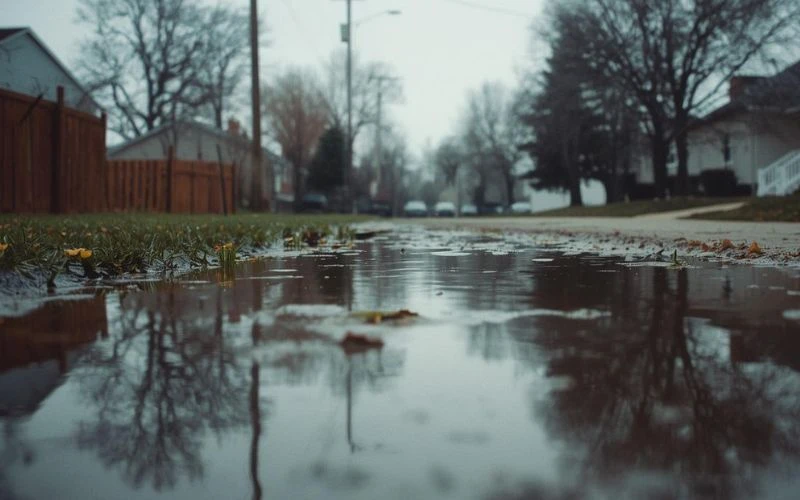
Even walls that look solid can shift over time. The main culprit? Water collecting in the ground directly behind the retaining barrier. This hydrostatic pressure slowly pushes against the structure, causing cracks, leaning, or bowing.
Imagine inflating a balloon: every bit of air adds tension. Each rainfall or irrigation cycle adds more “pressure,” and if water can’t escape, the wall begins to suffer. In areas with clay-rich soils or heavy seasonal rain, this effect is especially pronounced. Small mistakes in grading or drainage can turn a reliable wall into a maintenance nightmare.
How Does Gravel Backfill Help?
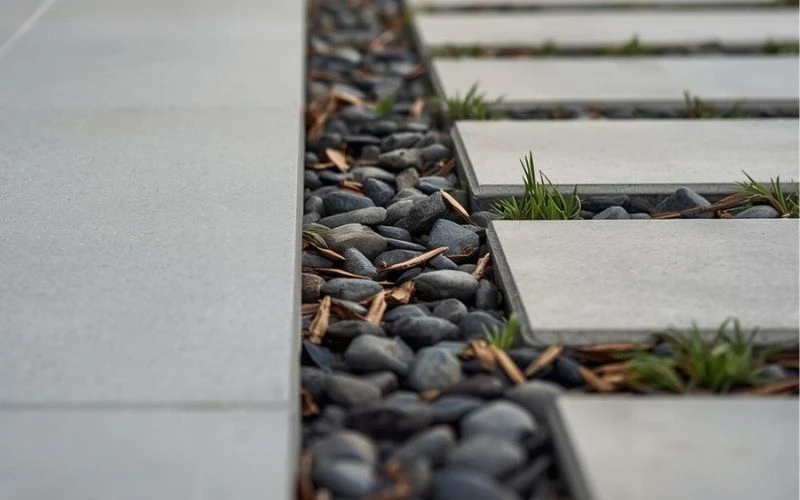
Gravel isn’t just decorative—it acts like a sponge that allows water to escape rather than building pressure.
Step-by-step installation tips:
- Excavate a trench along the back of the wall
- Fill with coarse gravel (around 10–20 mm) to a depth of 30–50 cm
- Slightly slope the gravel away from the wall to encourage natural drainage
- Compact lightly; over-compacting can block water movement
An easy way to visualise it: the gravel creates tiny channels, letting water trickle down instead of pushing on the wall. Studies show that correctly installed gravel can reduce lateral soil pressure by as much as 70%, significantly lowering the risk of bowing or cracking.
Why Perforated Pipes Are a Game Changer
Perforated pipes, or “weep pipes,” take drainage a step further by collecting water and directing it safely away from the wall. Without them, water could still pool at the base, weakening the structure.
Installation advice:
- Wrap pipes in geotextile fabric to prevent fine soil from clogging them
- Install with a gentle slope for gravity-assisted flow
- Lead water to a soak pit, stormwater drain, or approved outlet
Interestingly, the combination of gravel and a perforated pipe creates a passive drainage system that keeps walls safe even during heavy rainfall without constant attention.
How Landscaping Affects Wall Longevity
It’s not just what’s behind the wall that matters—the surface and surrounding garden play a huge role. Poor soil grading, oversaturated garden beds, or misdirected irrigation can increase pressure, undoing all the benefits of a gravel and pipe system.
Trusted landscaping services in Officer ensure that plants, soil layers, and irrigation are planned to work with drainage systems, keeping water away from the wall. Meanwhile, landscaping pros in Mulgrave pay attention to slopes, the direction of runoff, and garden layouts to keep walls safe and improve the look of the front of the house.
Common Pitfalls to Avoid
Even with gravel and drainage pipes, walls fail if installation or maintenance is ignored. Watch out for:
- Backfilling with dirt instead of gravel
- skipping pierced pipes or putting them in places that don't have the right slope
- Not using geotextile cloth, which lets sediment block drainage
- Gardens near the wall that get too much water
- Adding heavy gardening without thinking about the extra stress
Avoiding these mistakes ensures walls remain stable and low-maintenance for years.
Practical Takeaway: Retaining Wall Protection Checklist
Before finishing or inspecting a wall, make sure:
- Gravel backfill is put down at the right level and slope.
- Perforated pipes are wrapped in geotextile and put in the right place.
- The garden and soil slopes keep water away from the wall.
- Drain outlets are kept clear of debris.
- Consultation with landscaping experts has been done
With these steps, hydrostatic pressure is controlled, walls stay upright, and surrounding landscaping remains safe and attractive.











Sign in to leave a comment.