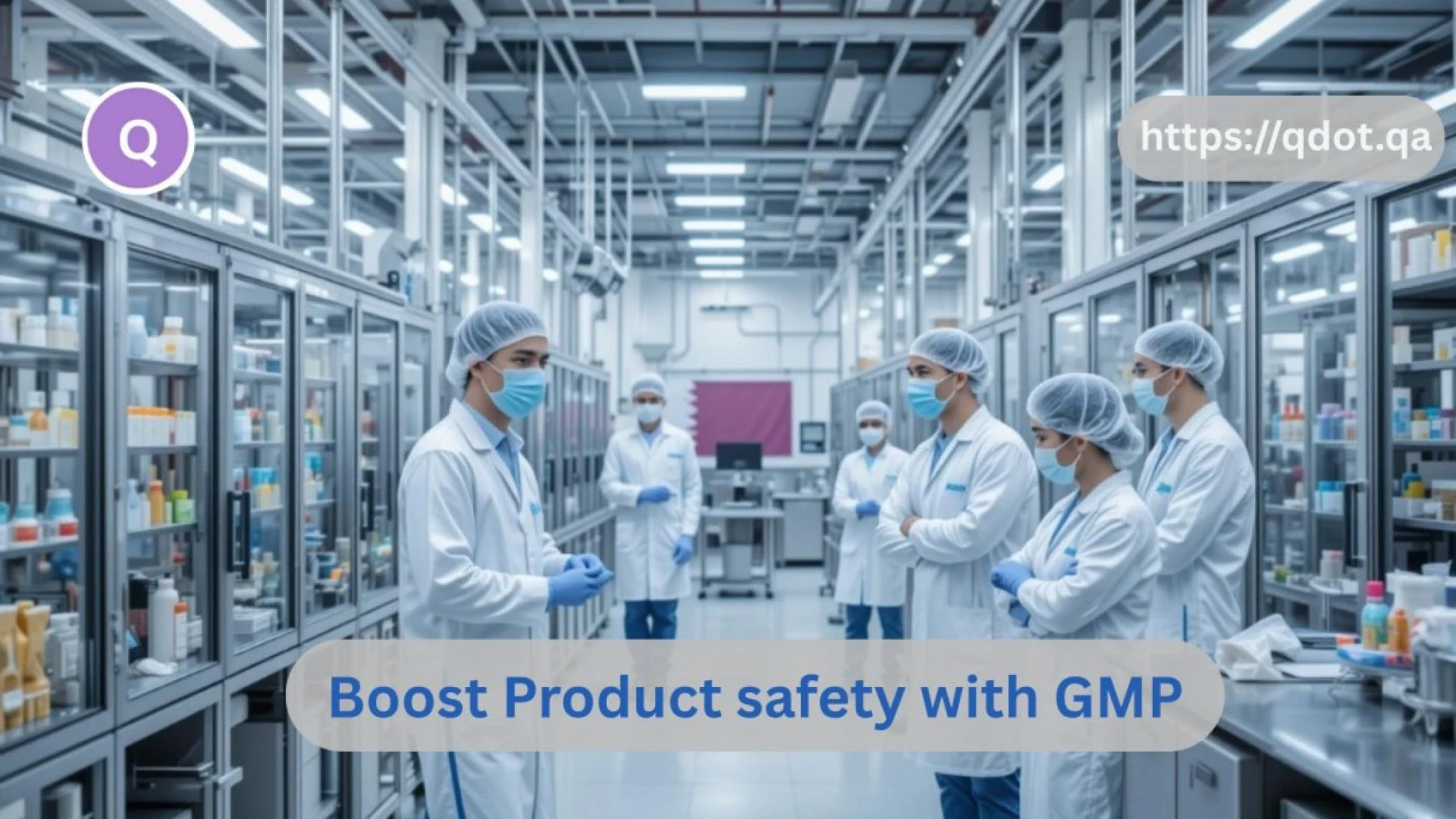

In today’s globalized economy, compliance with international quality standards is not just a competitive advantage—it’s a necessity. For companies in Qatar, Good Manufacturing Practice (GMP) certification serves as a key driver of product safety, trade compliance, and market expansion, especially in sectors like pharmaceuticals, food and beverages, cosmetics, and supplements.
According to the Qatar Chamber, Qatar's non-oil exports reached QAR 33 billion in 2023, with food and pharmaceutical sectors among the top contributors. To compete internationally, Qatari manufacturers must meet strict regulatory standards such as GMP.
In this article, we explore how GMP certification contributes to ensuring consumer trust and enabling companies in Qatar to access both regional and global markets with confidence.
What Is GMP Certification?
GMP (Good Manufacturing Practice) is a system that ensures products are consistently produced and controlled according to international quality standards. It focuses on:
- Hygiene and cleanliness in production facilities
- Proper documentation and procedures
- Staff training and qualifications
- Quality control and testing
- Equipment maintenance and calibration
The goal is to prevent contamination, errors, and deviations—safeguarding product quality and protecting the end consumer.
Enhancing Product Safety Through GMP Compliance
For manufacturers in Qatar, GMP certification provides a framework to maintain the highest levels of product integrity and safety. Here's how:
- Controlled manufacturing processes reduce contamination risks
- Consistent quality checks ensure every batch meets standards
- Cleanroom procedures and sanitation protocols minimize microbial threats
- Standardized documentation ensures traceability and accountability
This is particularly vital in food, pharmaceutical, and nutritional supplement industries, where safety lapses can lead to severe health consequences and legal liabilities. In 2022, the World Health Organization reported that poor manufacturing practices accounted for 10% of substandard medicines in the Middle East and North Africa region.
Enabling Market Access and Trade Compliance
GMP certification is often a non-negotiable requirement for exporting goods to global markets. For Qatari businesses aiming to enter regions like the EU, USA, GCC, or ASEAN, GMP:
- Meets international regulatory standards (e.g., US FDA, EMA, WHO)
- Simplifies customs and trade approval processes
- Strengthens the credibility of the exporting brand
- Reduces the risk of shipment rejection or product recall
For example, the European Medicines Agency (EMA) mandates GMP compliance for pharmaceutical imports. Without GMP, Qatari products risk being blocked at borders or flagged during inspections.
With Qatar’s growing non-oil exports, aligning with GMP can unlock access to new, high-value markets.
Building Consumer Trust and Brand Credibility
In a competitive market, consumer confidence is closely tied to product quality. GMP-certified companies enjoy:
- Higher consumer loyalty due to trust in product safety
- Better brand reputation, especially in regulated industries
- Stronger partnerships with retailers and distributors who demand quality assurance
- Improved marketing value, especially with GMP-certified labeling
According to a 2023 Nielsen survey, 72% of consumers in the GCC said they prefer purchasing from brands that adhere to global manufacturing standards such as GMP.
In essence, GMP helps companies position themselves as reliable, quality-first manufacturers, both locally and internationally.
Supporting Qatar's Economic Diversification Vision
GMP certification plays a strategic role in supporting Qatar National Vision 2030, which emphasizes:
- Diversifying the economy beyond oil and gas
- Boosting local manufacturing and exports
- Enhancing the quality and global competitiveness of Qatari products
As Qatar strengthens its food security, pharmaceutical production, and healthcare innovation, GMP-certified operations are becoming a vital component of national development. In 2023, the Ministry of Public Health launched multiple initiatives aimed at supporting domestic pharmaceutical production aligned with GMP standards.
Why Choose Qdot for GMP Certification Support in Qatar?
At Qdot, we help companies in Qatar achieve GMP compliance through expert guidance, hands-on audits, and tailored consultancy. Our experienced professionals:
- Assess your current processes and identify gaps
- Train your team in GMP principles and documentation
- Assist in infrastructure and process improvements
- Guide you through the entire GMP certification journey
Whether you are a startup or an established manufacturer, we ensure you meet global GMP standards efficiently.
Learn more about GMP certification in Qatar and how Qdot can help your business grow with compliance.
Key Benefits of GMP Certification for Qatari Companies
- Ensures product quality and safety
- Enables entry into global and regional markets
- Boosts customer confidence and satisfaction
- Reduces operational risks and product recalls
- Supports regulatory compliance and inspections
- Enhances brand reputation and trust
Final Thoughts
In Qatar’s evolving manufacturing landscape, GMP certification is more than just a compliance checkbox. it’s a critical investment in product quality, market success, and consumer trust. By adopting GMP, companies not only protect their consumers but also open doors to regional and global growth.
To successfully navigate the certification process, partner with trusted experts like Qdot, who bring local understanding and international expertise to help you achieve and maintain GMP certification in Qatar.












Sign in to leave a comment.