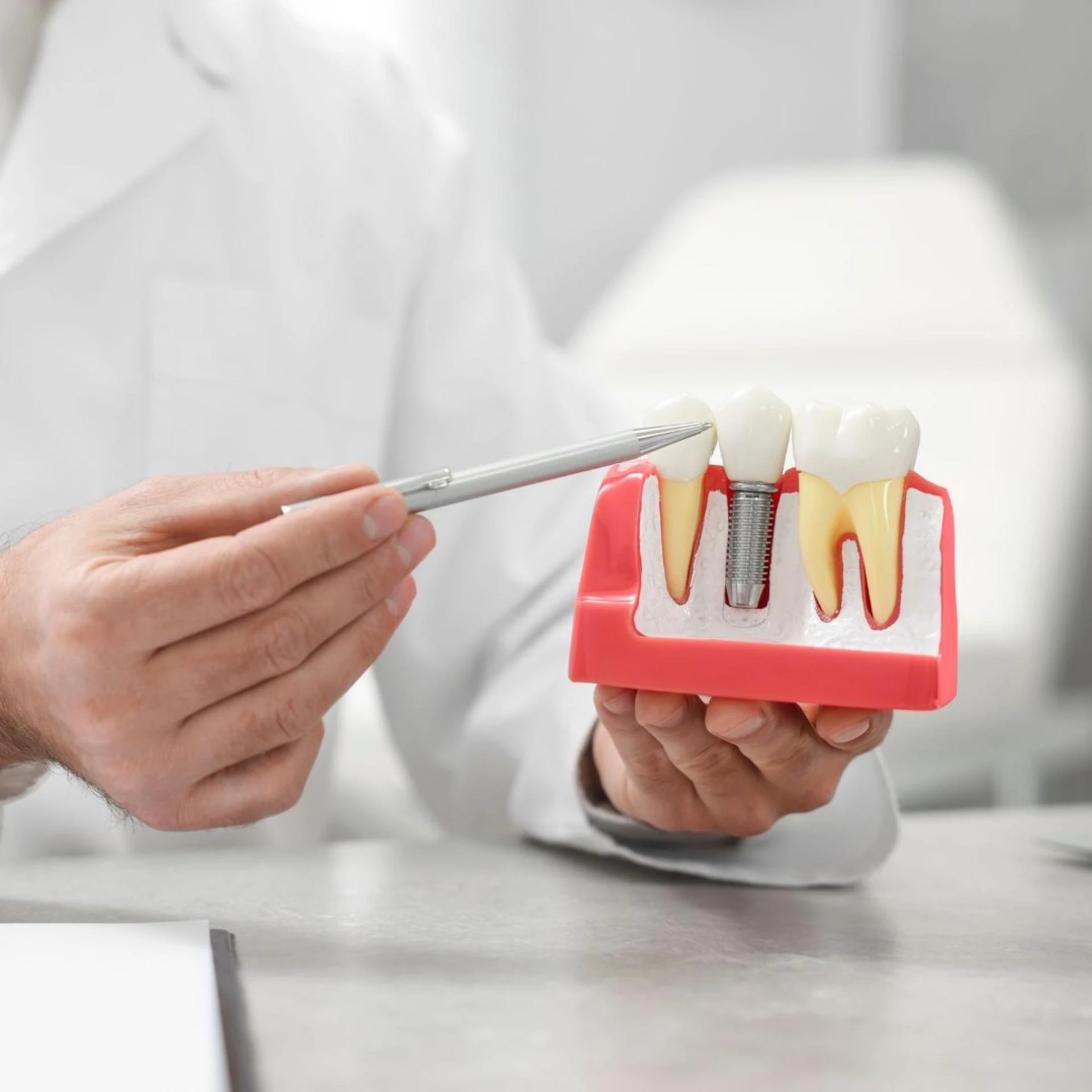
Dental crowns are a common solution for restoring damaged or decayed teeth, providing both functionality and aesthetic improvement. However, one of the most common questions patients ask is, "How long do dental crowns last?" While dental crowns are durable, their longevity depends on several factors, including the type of crown, how well it is cared for, and the individual patient's dental habits. In this article, we will explore how long dental crowns typically last, the different types of crowns available, and factors that can impact their lifespan.
The Average Lifespan of Dental Crowns
On average, dental crowns last between 10 to 15 years, but some can last even longer with proper care. While this is a general estimate, various factors can influence how long a dental crown will remain in place. These factors include the material of the crown, the location of the crown, and how well you maintain your oral hygiene.
It is important to note that dental crowns are not permanent. Over time, they may wear down, crack, or become loose, which may necessitate replacement. The good news is that with proper care, you can help your dental crowns last for many years.
Types of Dental Crowns and Their Durability
There are several types of dental crowns, each with its own characteristics and advantages. Understanding the different types of dental crowns and their longevity can help you make an informed decision about which option is best for your needs.
1. Porcelain Crowns
Porcelain crowns are often used for teeth that are visible when you smile, as they closely mimic the natural appearance of teeth. They are highly durable and can last around 10 to 15 years with proper care. However, porcelain is more susceptible to chipping compared to other materials, so it may require more careful maintenance.
2. Porcelain-Fused-to-Metal Crowns
These crowns combine the strength of metal with the aesthetic appeal of porcelain. Porcelain-fused-to-metal crowns are highly durable, lasting anywhere from 10 to 20 years. The metal substructure provides added strength, making them ideal for back teeth that endure more pressure from chewing. However, they may not be as visually appealing as all-porcelain crowns because of the visible metal lining at the gum line.
3. Gold Crowns
Gold crowns are incredibly durable and can last over 20 years. They are often used for back teeth due to their strength and ability to withstand significant pressure. At the same time, gold crowns may not be the most aesthetically pleasing, but their durability and resistance to wear make them an excellent choice for many patients.
4. Resin Crowns
Resin crowns are a more affordable option, typically lasting around 5 to 10 years. While they are not as durable or long-lasting as porcelain or gold crowns, they can be a good choice for patients seeking a cost-effective solution for a less visible tooth.
5. Zirconia Crowns
Zirconia crowns are made from a strong ceramic material that is highly durable and resistant to wear. These crowns typically last 10 to 15 years, with some patients experiencing even longer lifespans. Zirconia crowns are also known for their aesthetic appeal, making them a popular choice for both front and back teeth.
Factors That Affect the Lifespan of Dental Crowns
Several factors can influence how long your dental crown will last. These include:
- Oral hygiene: Maintaining good oral hygiene is crucial for the longevity of dental crowns. Brushing and flossing regularly can help prevent decay and gum disease, which can affect the crown and surrounding teeth.
- Diet: A diet high in sugar or acidic foods can contribute to the breakdown of crowns. Additionally, chewing on hard objects or grinding your teeth can put unnecessary stress on the crown, potentially causing damage.
- Teeth grinding: Habitual teeth grinding (bruxism) can shorten the lifespan of a crown. If you grind your teeth, your dentist may recommend a night guard to protect your crowns and natural teeth.
- Location of the crown: Crowns placed on back teeth, which are subject to more pressure from chewing, may wear out more quickly than crowns placed on front teeth.
Tooth Crown Cost in Australia
The cost of dental crowns in Australia can vary depending on several factors, such as the type of crown used and the complexity of the procedure. On average, the cost of a tooth crown cost Australia ranges from $1,000 to $2,500 per tooth, with porcelain crowns often being on the higher end of the price spectrum. Other factors that influence the cost include the dentist’s expertise, the location of the practice, and whether the crown is being placed on a front or back tooth.
Types of Dental Crowns and Cost in Australia
Porcelain and zirconia crowns tend to be more expensive due to their aesthetic qualities and durability. Gold crowns, while durable, are typically less costly than porcelain crowns but may not be the best option for those prioritising aesthetics. Resin crowns are the most affordable option but may need to be replaced sooner than other types of crowns.
In summary, dental crowns are a great solution for restoring damaged teeth and providing lasting improvements to your smile. With proper care and maintenance, most dental crowns can last for 10 to 15 years or longer, depending on the type of crown and the individual’s dental habits. Understanding the types of dental crowns and cost and their associated costs is essential for making an informed decision about your dental care. Whether you opt for porcelain, zirconia, gold, or another material, your dentist can guide you toward the best choice for your specific needs. By taking good care of your crowns and maintaining regular dental visits, you can enjoy a durable and functional smile for many years to come.











Sign in to leave a comment.