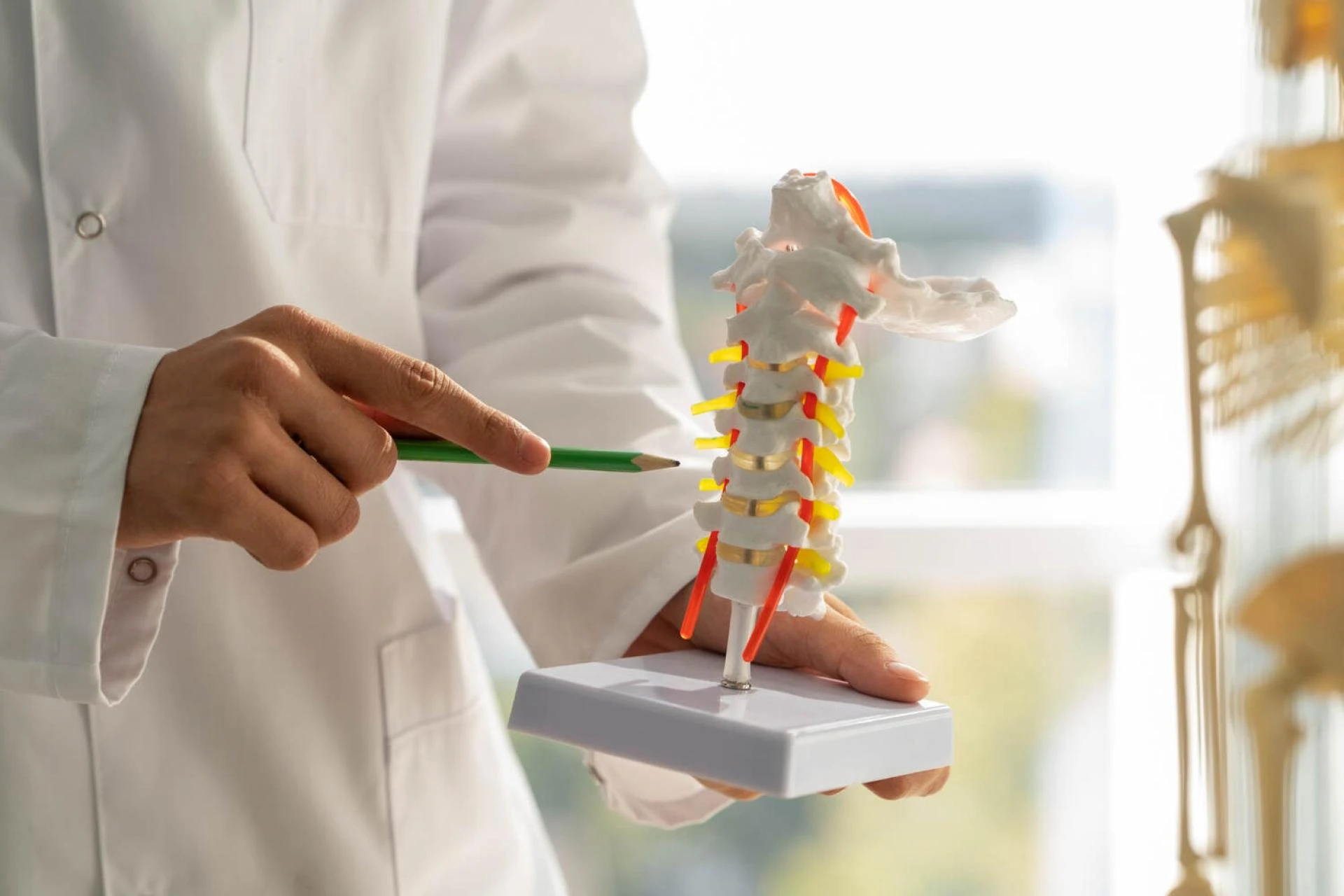

Bone infection, also known as osteomyelitis, poses a threat or risk to the whole body. As the infection gradually increases, it starts to weaken the bones of the body, and as a result, a minor fracture leads to permanent damage. Treatment for bone infections, also known as osteomyelitis, is no longer a run-of-the-mill issue, and it requires a significant amount of time to heal. Without timely treatment, the condition deteriorates. The healing process takes time to recover, depending on several factors, including the patient’s overall health, the severity of the infection, and the type of bacteria involved. If you're suffering from a bone infection, then this blog has you covered with the best orthopedics in Baner for instant healing.
What are the complications of bone infection or Osteomyelitis?
Bone infection is a severe issue and occurs in 1 out of 5 people here are the following complications that a patient needs to face during this journey.
Chronic osteomyelitis
Sepsis
Bone death (Osteonecrosis)
Joint Infections (Septic Arthritis)
Impaired Growth in Children
Amputation
Abscess Formation
Spread of infection
Pathological Fractures
Decreased mobility and function
Scarring and Deformity
Impact on Mental Health
What are the stages of Osteomyelitis?
There are following stages of Osteomyelitis and they should not be overlooked
Osteomyelitis (acute)
Duration: Typically less than two weeks.
Subacute osteomyelitis
Duration: two weeks to several months.
Chronic osteomyelitis
Duration: months to years.
Brodie Abscess
Duration: It can be considered a form of subacute osteomyelitis.
Symptoms of Bone infections
Below we are sharing the symptoms of bone infections categorized into the general, local, advanced, and the symptoms in children as well.
General Symptoms
Fever: One of the most common symptoms, often accompanied by chills.Fatigue: Feeling tired due to the body's response to infection.General Malaise: A feeling of overall discomfort or unwellness.Local Symptoms
Pain: Severe, persistent, and localized pain in the affected bone. The pain may worsen with movement.Swelling: Noticeable swelling over the infected area.Redness and Warmth: The skin over the infected area may become red and warm to the touch.Tenderness: The infected area is often tender and painful when touched.Advanced Symptoms
Drainage: In chronic or severe cases, there may be pus drainage from the infected area or through sinus tracts in the skin.Limited Movement: Decreased ability to move the affected limb or joint, often due to pain and swelling.Night Sweats: Some patients may experience night sweats as the body attempts to fight the infection.Symptoms in Children
In children, osteomyelitis may present slightly differently and can include:
Irritability: Children may be unusually irritable or fussy.Reluctance to Use the Affected Limb: A child may refuse to walk or use the limb that is affected by the infection.Pseudoparalysis: Apparent paralysis of the affected limb due to severe pain.
Treatments, Recovery, and Rehabilitation
The treatments for bone infection include - antibiotics and surgery are some of them which are in demand and work well in most cases. But once the treatment is done, then for recovery and rehabilitation we can connect with an orthopedic in Baner.
Recovering from a bone infection often requires a multidisciplinary approach, including:
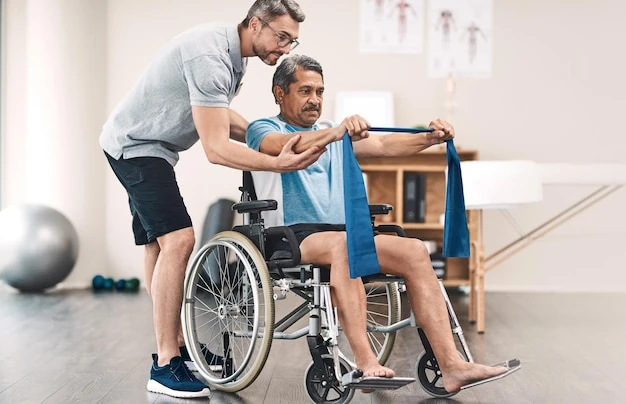
Physical Therapy: Physical therapy may be necessary to restore mobility and strength, especially if the infection has affected weight-bearing bones like the legs or spine.Nutritional Support: Adequate nutrition plays a key role in the healing process. A diet rich in protein, vitamins, and minerals supports tissue repair and immune function.
Regular Monitoring: Follow-up appointments with healthcare providers are essential to monitor progress, adjust treatments if necessary, and detect any signs of recurrence early.
For those of you wondering about the best orthopedic doctor near me in Baner, we can suggest the one which is Dr.Sumitz their expert teams and rehabilitation techniques are a perfect go-to for bone infection treatment.
Conclusion
The healing time for a bone infection can vary greatly, with acute cases typically resolving within a few months and chronic cases potentially taking much longer. Prompt and effective bone infection treatment, including antibiotics, possible surgery, and supportive therapies, is crucial for a successful recovery. Patients should work closely with their healthcare team, adhere to treatment plans, and attend all follow-up appointments to ensure the best possible outcome.












Sign in to leave a comment.