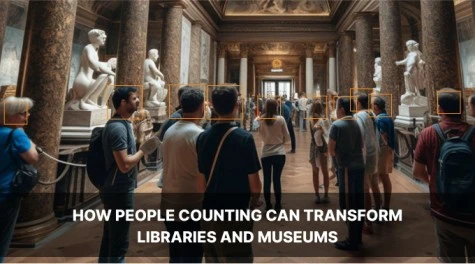

People counting software, leveraging advanced technologies such as AI, IoT, and computer vision, has become increasingly influential in various sectors, including libraries and museums. This software provides detailed insights into visitor behaviors and patterns, enabling these cultural institutions to optimize operations, enhance visitor experiences, and make data-driven decisions.
Here’s a detailed analysis of how people counting software impacts libraries and museums:
Enhanced Visitor Experience
Optimized Space Utilization: People counting software helps libraries and museums understand which areas are most frequently visited and which are underutilized. By analyzing this data, institutions can rearrange exhibits or collections to balance the flow of visitors, ensuring a more comfortable and engaging experience. For instance, in a museum, a popular exhibit may be moved to a larger space to accommodate more visitors, reducing congestion and improving visitor satisfaction.Improved Resource Allocation: Libraries can use people counting data to allocate resources more efficiently. For example, knowing peak hours of operation allows them to schedule staff accordingly, ensuring that there are enough personnel available to assist visitors during busy times. This leads to better service without unnecessary staffing during slow periods.Personalized Experiences: Advanced people counting systems can integrate with other technologies to offer personalized experiences. In museums, for example, interactive exhibits can change content based on real-time visitor demographics, providing tailored educational experiences that enhance engagement and learning.Operational Efficiency
Data-Driven Decision Making: By providing accurate data on visitor numbers and patterns, people counting software empowers libraries and museums to make informed decisions. This can range from operational adjustments, such as extending opening hours during busy periods, to strategic planning, such as identifying the need for expansion or renovation projects based on sustained visitor growth.Facility Management: Understanding visitor flow helps in the effective management of facilities. Museums can use this data to maintain climate control and lighting in specific areas, optimizing energy usage and reducing costs. Libraries can similarly adjust heating, cooling, and lighting based on occupancy data, contributing to sustainability goals.Queue Management: People counting technology helps manage queues and reduce wait times by alerting staff to high visitor numbers in real-time. This is particularly useful for special exhibits or events in museums where large crowds are expected. By deploying additional staff or creating more access points, visitor frustration can be minimized.Security and Safety
Emergency Planning: Accurate real-time data on the number of people in a building is critical during emergencies. People counting software provides exact counts of occupants, assisting in evacuation planning and ensuring all individuals are accounted for during drills or actual emergencies.Crowd Control: Museums and libraries can use people counting data to prevent overcrowding, ensuring compliance with safety regulations. This is especially important during peak times or special events where large crowds are expected. Controlling visitor numbers can prevent accidents and improve the overall safety of the environment.Visitor Analytics
Demographic Insights: Modern people counting systems often include demographic analysis features, providing insights into visitor age, gender, and even emotional responses to exhibits. This information helps in curating content and programs that are better suited to the audience, increasing engagement and satisfaction.Trend Analysis: Analyzing long-term visitor data allows museums and libraries to identify trends. For example, seasonal variations in visitor numbers can inform marketing strategies and promotional campaigns. Understanding visitor demographics also helps in tailoring programs and services to meet the evolving needs of the community.Financial Benefits
Optimized Staffing Costs: By understanding visitor patterns, libraries and museums can schedule staff more efficiently, ensuring that employees are present when needed and reducing labor costs during off-peak times. This helps in maintaining a balance between operational costs and service quality.Increased Revenue Opportunities: For museums, understanding visitor behavior can lead to increased revenue through better-targeted retail operations and special programs. Knowing which exhibits draw the most visitors allows museums to develop related merchandise or special events that capitalize on these interests.Grant and Funding Justification: Accurate visitor data is crucial for justifying funding and grants. Demonstrating sustained or increasing visitor numbers can support applications for financial support, ensuring continued operation and development.Strategic Planning
Exhibit and Program Development: Libraries and museums can use data from people counting software to develop exhibits and programs that attract more visitors. By understanding which areas and exhibits are most popular, institutions can create similar attractions or improve existing ones.Community Engagement: Insight into visitor demographics and preferences allows libraries and museums to develop community engagement initiatives that resonate with their audience. This can lead to stronger community support and higher attendance rates.Marketing and Outreach: Data on visitor numbers and demographics informs targeted marketing and outreach efforts. Museums and libraries can tailor their promotional activities to reach specific audiences, improving the effectiveness of their campaigns and driving higher attendance.Conclusion
Libraries are constantly evolving, and digital advancements are transforming them significantly. Nextbrain’s people counting software for libraries is a great solution for museums and libraries. In a competitive scene, it is relevant to keep updated with the latest technologies. Ready to get started? Connect with our professionals to learn more about our AI-enabled people counting solutions.









Sign in to leave a comment.