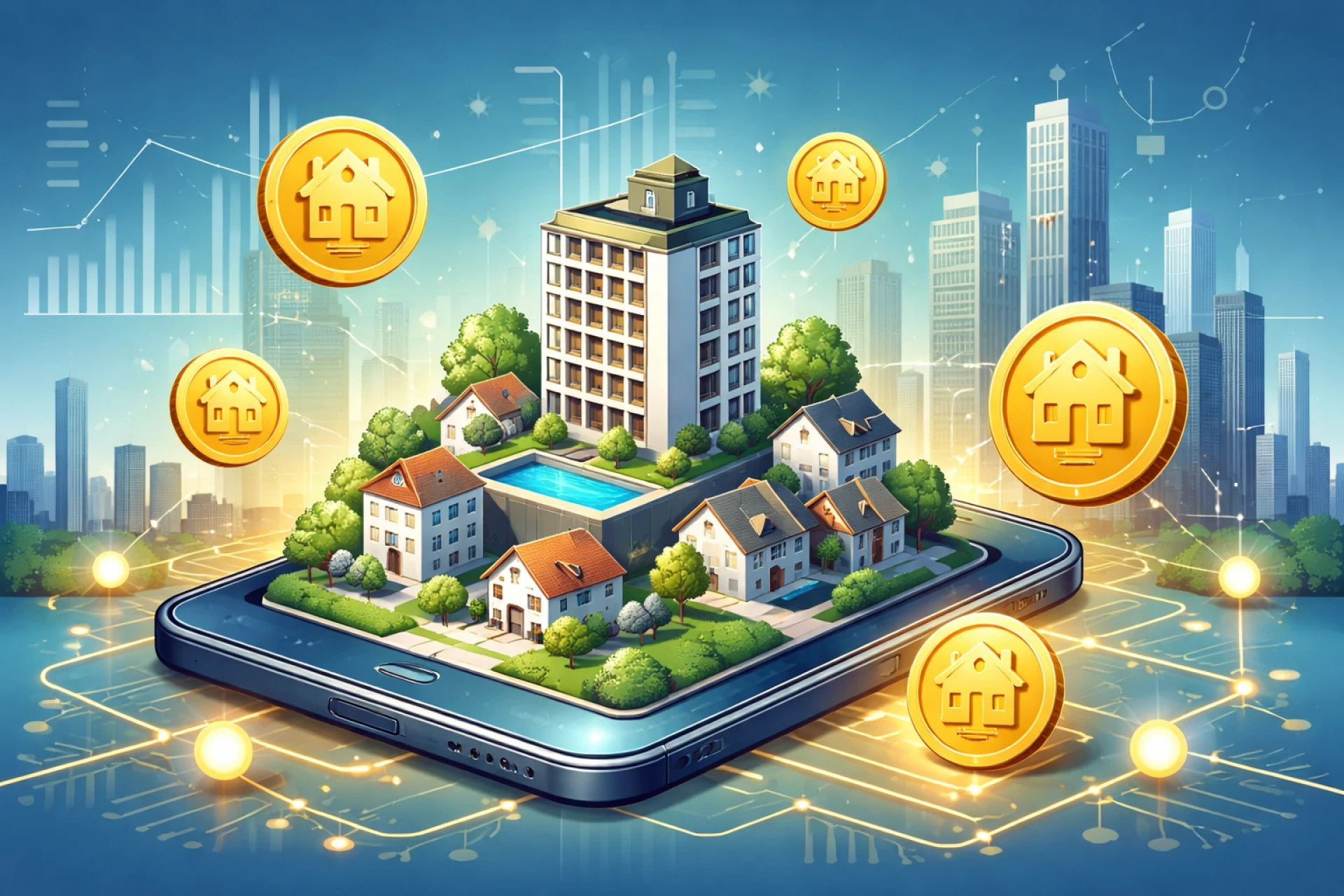

High-value real estate has traditionally remained limited to wealthy investors, institutional funds, and large property groups. Entry barriers such as high capital requirements, legal complexities, and geographic limitations have restricted participation for many potential investors. Property ownership often requires millions in capital, leaving smaller investors outside the market despite growing interest in real estate as a long-term asset class.
Blockchain-based models are gradually changing this structure. Real estate tokenization development introduces a digital approach where physical property assets are represented through blockchain tokens. Each token represents a portion of ownership in a real estate asset. This system allows investors to purchase small fractions of expensive properties instead of acquiring an entire building or unit.
Through this model, a luxury hotel, office tower, or commercial complex can be divided into thousands of tokens. Investors can purchase these tokens based on their investment capacity. As a result, property markets that were previously limited to large institutions are now becoming more accessible to a wider investor base.
The increasing interest in Real Estate Tokenization is linked to both technology adoption and the growing demand for alternative investment structures. Many organizations are now evaluating digital asset frameworks to modernize property investment models. With the help of specialized development providers, businesses can structure tokenized property ecosystems that support fractional ownership while maintaining compliance and investor confidence.
Understanding Real Estate Tokenization
Real estate tokenization refers to the process of converting ownership rights of a property into blockchain-based digital tokens. These tokens represent shares of a physical asset such as residential apartments, commercial buildings, warehouses, or land parcels.
The concept operates on blockchain networks where ownership records are stored in a decentralized ledger. Instead of traditional paper-based ownership documentation, tokenized assets exist in digital form with verifiable ownership records.
In practical terms, a property valued at $10 million could be divided into 10,000 tokens, each representing $1,000 of ownership. Investors can purchase one or several tokens depending on their investment capacity. The tokens represent fractional ownership in the underlying property.
Real estate asset tokenization also allows investors to benefit from rental income or capital appreciation based on the percentage of tokens they hold. Smart contracts are often used to manage distributions, compliance, and ownership records.
Many organizations partner with a Real Estate Tokenization company to structure these digital investment models. Such companies assist with asset digitization, smart contract creation, compliance frameworks, and investor platforms.
The Role of Blockchain in Fractional Property Ownership
Blockchain technology plays an important role in the functioning of tokenized real estate assets. A blockchain ledger records ownership transactions, token transfers, and investment details.
Unlike traditional systems where property ownership records may involve multiple intermediaries such as banks, legal offices, and registries, blockchain introduces a digital ledger that records transactions permanently.
Each token transaction is recorded on the blockchain network, which maintains a history of ownership changes. Investors can verify token holdings and transaction records through the platform.
Smart contracts are another component used in tokenized property systems. These digital agreements contain programmed conditions that execute automatically once predefined requirements are met. For instance, rental income distribution can be programmed to allocate payments to token holders according to the number of tokens they own.
Real Estate Tokenization Platform Development focuses on creating these blockchain-based infrastructures. These platforms support investor onboarding, token issuance, property management records, and secondary trading of tokens.
Why High-Value Real Estate Is Suitable for Tokenization
Luxury real estate and commercial assets often carry extremely high investment thresholds. Properties such as skyscrapers, hotels, industrial parks, and shopping malls require large capital investments that limit participation to institutional investors.
Tokenization introduces a model where these assets can be divided into smaller digital shares. This fractional structure creates new opportunities for investors who wish to participate in premium property markets without acquiring entire properties.
For property owners and developers, this model also opens alternative funding options. Instead of relying only on bank loans or institutional funding, developers can distribute property ownership among a wider group of investors through tokenized shares.
This funding model also spreads investment risk among multiple participants rather than concentrating it within a single investor group. As a result, high-value real estate projects gain access to broader capital participation.
Real estate tokenization development provides the infrastructure required to convert physical property assets into digital investment units. This includes asset evaluation, legal structuring, token creation, and investor access platforms.
The Development Process Behind Real Estate Tokenization
The process of tokenizing a property typically involves several technical and legal stages. Each stage focuses on converting physical property rights into digital tokens while maintaining legal compliance.
Property Evaluation and Legal Structuring
Before tokenization begins, the property must undergo financial evaluation and legal verification. Property ownership, regulatory compliance, and valuation assessments are completed to determine the asset’s market value.
Legal structures are also created to represent the property within a tokenized investment framework. In many cases, the property may be held by a legal entity such as a Special Purpose Vehicle (SPV). Token holders then own shares in this entity.
Token Creation and Smart Contract Setup
Once the property structure is finalized, digital tokens representing fractional ownership are created. These tokens are deployed through smart contracts on blockchain networks.
The smart contract defines token distribution, ownership limits, transfer permissions, and investor rights.
A Real Estate Tokenization Development company usually manages this stage, including blockchain selection, smart contract design, and security auditing.
Platform Integration
After token creation, an investor platform is required to manage the tokenized ecosystem. This platform allows investors to register, verify their identity, purchase tokens, and track investment performance.
Real Estate Tokenization Platform Development includes investor dashboards, wallet integration, transaction history, and regulatory compliance mechanisms such as KYC and AML procedures.
Token Distribution to Investors
The final stage involves distributing tokens to investors through a token offering. Investors purchase tokens that represent fractional ownership of the real estate asset.
Once distribution is complete, token holders may receive rental income or profit shares depending on the property’s performance.
Benefits of Fractional Real Estate Ownership
Fractional ownership offers several advantages for both investors and property developers.
For investors, it removes the barrier of high capital requirements. Instead of investing millions into a property, individuals can participate with smaller investments.
Diversification also becomes easier. Investors can allocate funds across multiple properties instead of concentrating their investment in a single asset.
Liquidity may also improve in tokenized markets. Some platforms allow token holders to trade property tokens on secondary marketplaces. This feature introduces flexibility compared with traditional property investments, which often require lengthy sale procedures.
For developers and property owners, tokenization introduces new financing channels. Capital can be raised through digital token offerings rather than relying solely on traditional financing methods.
Real Estate Tokenization Services typically assist with structuring these models, handling investor onboarding processes, and maintaining the digital investment environment.
Regulatory Considerations in Tokenized Real Estate
Despite growing interest in tokenized property assets, regulatory frameworks remain an important consideration. Real estate ownership laws differ from country to country, and digital asset regulations continue to evolve.
Tokenized real estate offerings may fall under securities regulations depending on the structure used. In such cases, compliance with financial authorities becomes necessary.
Regulatory requirements may include investor verification procedures, reporting standards, and restrictions on token trading in certain regions.
A Real Estate Tokenization Development company usually works alongside legal advisors to structure token offerings that comply with applicable financial regulations.
This stage is important because compliance helps maintain investor trust and long-term sustainability for tokenized property platforms.
Market Interest in Real Estate Asset Tokenization
Interest in tokenized real estate continues to grow across global investment markets. Institutional investors, property developers, and blockchain firms are studying how digital asset structures can be applied to property ownership.
Tokenization models are already being tested across residential apartments, commercial buildings, vacation properties, and industrial real estate. These pilot projects are helping investors understand the practical aspects of fractional property ownership.
In addition to private investors, asset managers are studying real estate asset tokenization as a way to offer new investment products to clients. Tokenized funds and digital property portfolios may become more common as blockchain adoption grows within financial markets.
Companies providing Real Estate Tokenization Development Services are increasingly working with property developers, investment funds, and asset management firms to design these digital ownership structures.
Technology Infrastructure Supporting Tokenized Real Estate
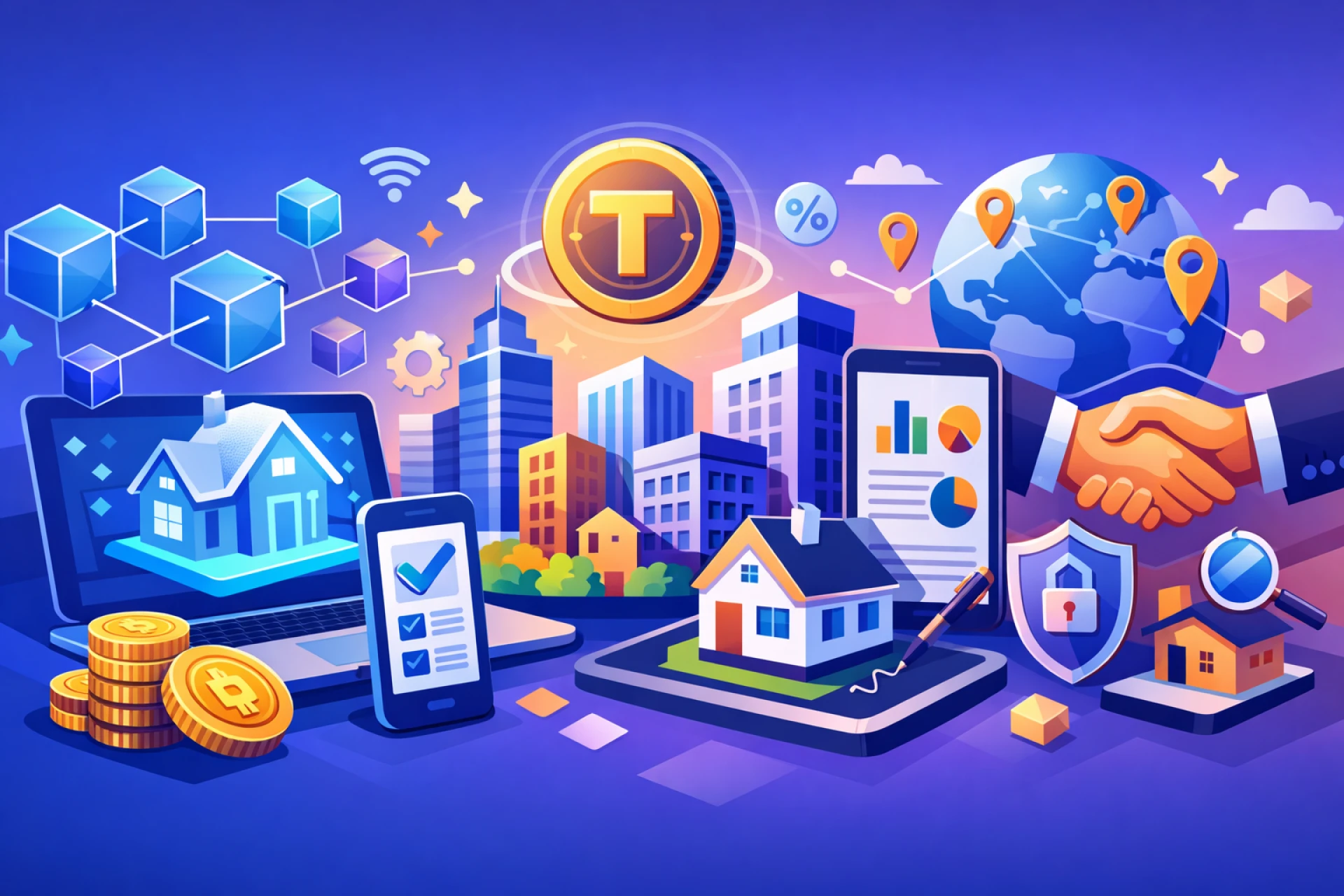
Tokenized real estate ecosystems rely on several technological components working together. Blockchain networks store ownership data and manage token transfers. Smart contracts handle automated agreements and investor distributions.
Digital wallets store property tokens, allowing investors to manage their holdings. Investor portals provide access to property information, financial reports, and token transactions.
Security also remains a critical factor in tokenized property systems. Smart contract audits, secure wallet integrations, and encryption methods help protect investor assets and platform operations.
Real Estate Tokenization Platform Development focuses on integrating these technical components into a functional investment environment that connects property owners, investors, and regulatory systems.
Challenges in Real Estate Tokenization
Although tokenized real estate offers promising investment models, several challenges remain.
Regulatory uncertainty continues to affect the pace of adoption in some regions. Governments are still developing legal frameworks for digital securities and tokenized assets.
Investor education is another challenge. Many traditional real estate investors are unfamiliar with blockchain systems, digital wallets, and token trading.
Technology risks also exist. Smart contract vulnerabilities or platform security issues could create financial risks if systems are not properly audited.
Despite these challenges, ongoing development efforts are addressing these concerns through improved regulatory guidance and stronger technology standards.
Organizations providing Real Estate Tokenization Services are working with legal advisors, cybersecurity specialists, and financial experts to reduce risks within tokenized property ecosystems.
Future Outlook for Fractional Real Estate Ownership
The concept of fractional property ownership through blockchain continues to gain attention among property investors and financial institutions. As digital asset regulations become more defined and technology platforms mature, tokenized real estate models may become more widely adopted.
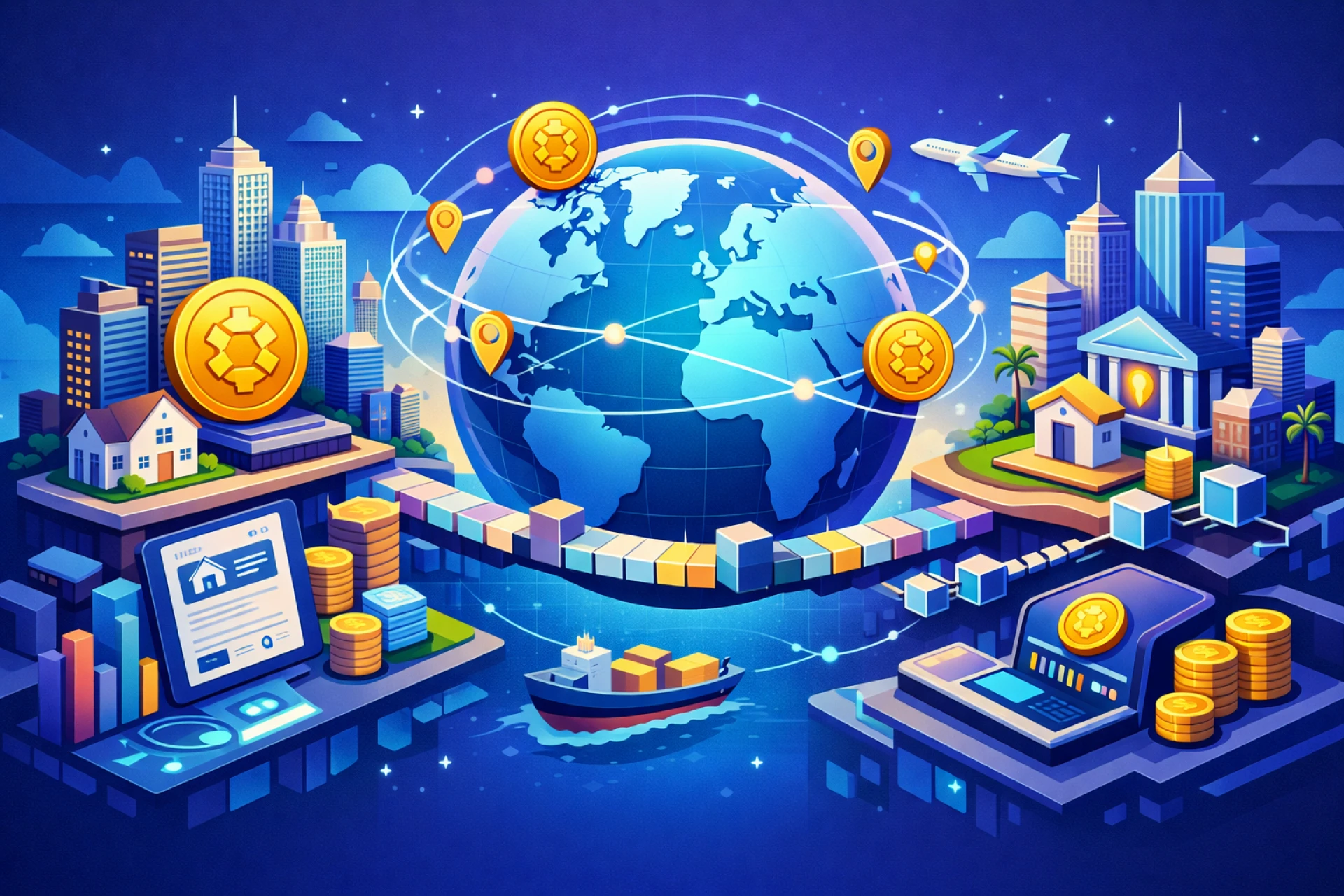
Global property markets are enormous in scale, with trillions of dollars in assets spread across residential, commercial, and industrial sectors. Tokenization introduces a digital structure that allows these assets to be represented in smaller investment units.
As a result, property investment could gradually shift toward models that support wider investor participation. Fractional ownership platforms may eventually coexist with traditional real estate investment systems, offering investors additional ways to participate in property markets.
Real estate tokenization development remains a critical component in this shift, as businesses and financial institutions seek reliable frameworks for converting physical property assets into digital investment structures.
Conclusion
High-value real estate has long been one of the most attractive asset classes for investors. However, the high capital requirements associated with large properties have historically restricted access to a small group of institutional investors.
Real Estate Tokenization introduces a digital structure where property ownership can be divided into blockchain-based tokens. These tokens represent fractional shares of a real estate asset, allowing multiple investors to participate in ownership.
Through real estate asset tokenization, investors can participate in premium property markets with smaller investment amounts. Property developers also gain access to alternative funding models that attract a broader investor community.
With continued progress in blockchain infrastructure, legal frameworks, and investor platforms, tokenized property ownership may become an increasingly common model within global real estate markets.













Sign in to leave a comment.