If you’re involved in construction or fencing—even indirectly—you already know steel is everywhere. What you may not always notice is how much steel suppliers shape the success (or failure) of your project. From timelines to material choice, they’re not just vendors; they’re quiet problem-solvers working in the background.
Let’s unpack what’s happening right now, why it matters to you, and where things might be headed next.
You’re Not Just Buying Steel — You’re Buying Reliability
When you source materials for a project, you’re rarely just asking, “Do you have steel?”
What you’re really asking is:
- Will this arrive on time?
- Is the quality consistent?
- Will it meet site requirements without rework?
That’s where modern steel suppliers step in.
For example, deformed bar steel is critical in reinforced concrete work. If it’s out of spec or delayed, pours get postponed—and no one likes explaining that to a client. Suppliers today are increasingly focused on traceability, batch consistency, and compliance, especially as building standards tighten.
As one construction manager recently joked in an online forum:
“Good steel shows up quietly. Bad steel announces itself very loudly—usually during inspection.”
You’re Seeing Smarter Material Guidance (Not Just a Price List)
One noticeable trend is that suppliers are acting more like advisors than order-takers.
Let’s say you’re working on a fencing or light structural project. Instead of defaulting to the same material every time, you might be guided toward:
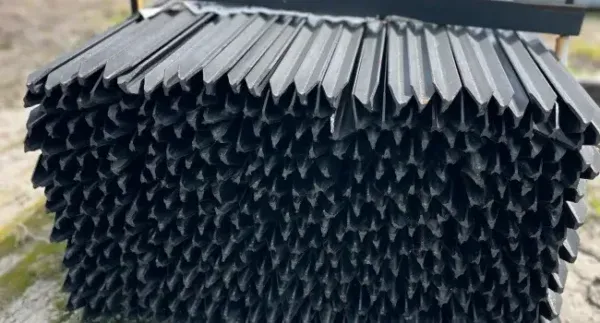
- Square bar mild steel for clean fencing lines and brackets
- Round mild steel where bending or uniform strength matters
- Flat mild steel for plates, supports, and connection points
For larger frameworks, suppliers now routinely help customers compare options like:
- Rectangular hollow section steel for strength-to-weight efficiency
- PFC steel when load-bearing capacity is the priority
This shift is partly driven by tighter budgets and partly by experience—suppliers have seen what works (and what fails) across hundreds of sites.
Roofing and Framing? You Depend on Precision More Than Ever
Roofing systems are a great example of where steel supply has become more specialised.
You’re no longer just ordering generic beams. You’re sourcing:
- C purlin steel for lightweight framing
- Roof purlins steel that aligns with specific span and load requirements
Suppliers are now expected to understand spacing, wind ratings, and compatibility with roofing sheets. In many cases, they’ll flag potential issues before materials even reach your site—which can save you from a very awkward redesign conversation later.
One installer summed it up nicely in a trade discussion:
“The best supplier is the one who tells you not to order something you don’t need.”
Speed, Local Availability, and “Near Me” Expectations
You’ve probably noticed how often people search for steel suppliers near me or metal supply near me. That’s not just convenience—it’s pressure.
Projects move faster now. Delays cost more. And you expect suppliers to:
- Hold common sizes in stock
- Cut or prepare steel quickly
- Respond fast when something changes on-site (because it always does)
This has pushed suppliers to streamline inventory and logistics, especially for commonly used items like flat mild steel, round mild steel, and rectangular hollow section steel.
The downside? Not every supplier can keep everything available at all times. This is where your relationship with them matters more than the catalogue.
Where My View Might Be Limited (But Still Useful)
I don’t stand on-site watching every delivery or negotiating last-minute changes with drivers. That means I don’t feel the stress the way you do when steel is late and the crew is waiting.
However, across industry discussions, supplier updates, and real-world project breakdowns, one pattern is consistent:
Projects with strong supplier relationships experience fewer material-related disruptions.
That’s not magic—it’s communication, experience, and shared problem-solving.
A Little Humor, Because Steel Isn’t Always Serious
Let’s be honest: steel has a reputation for being “set and forget.”
Until it isn’t.
Nothing humbles a project faster than realizing the pfc steel you ordered doesn’t fit the connection detail… after it’s already on-site. At that moment, even the toughest materials feel very human.
Looking Ahead: What’s Still Changing (and What’s Unclear)
Looking forward, steel suppliers are likely to become even more integrated into planning stages—not just supply stages. You may see:
- More pre-project consultation
- Greater emphasis on efficiency over over-ordering
- Smarter stock management for common fencing and construction profiles
What’s still unclear is how smaller suppliers will keep up with rising expectations without increasing costs. Speed, accuracy, and flexibility aren’t free—and balancing those pressures will define the next phase of steel supply.
For now, one thing is certain:
When your steel supplier does their job well, your project feels easier than it should.
And that’s not an accident—it’s a trend worth paying attention to.






Sign in to leave a comment.