
In 2025, fintech continues to redefine how we interact with money. From budgeting apps to full-service neobanks, users demand seamless, secure, and intuitive fintech solutions. But building such apps requires more than just coding; it needs strategic planning, compliance understanding, and a clear focus on user needs. In this guide, we’ll walk through essential insights for developing a fintech app that’s ready for the competitive and fast-evolving market.
1. Understanding the Fintech Landscape in 2025
Fintech is no longer a niche, it’s the new norm. According to market research, the global fintech market is projected to grow by 20% CAGR over the next five years. With the rise of Gen Z users, who demand real-time finance management and minimal friction, developers and businesses must adapt fast.
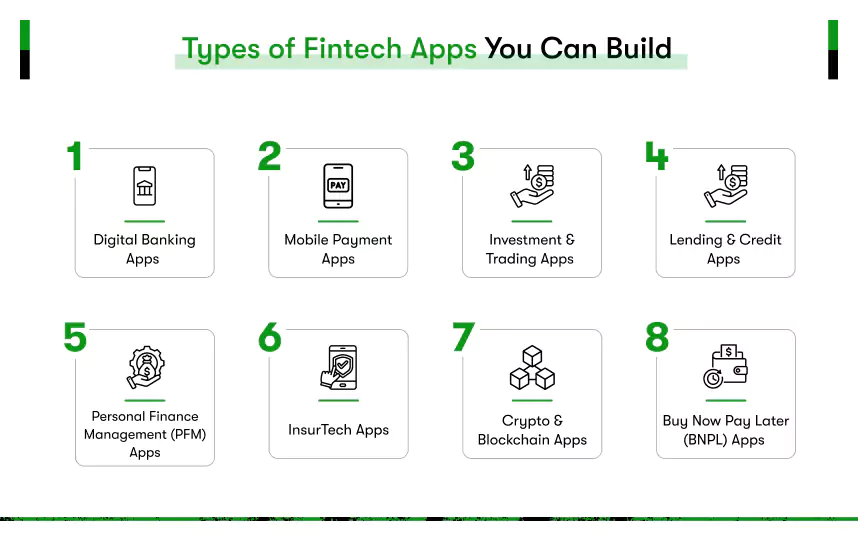
Popular app types include:
- Digital Wallets (Google Pay, Apple Pay alternatives)
- Budgeting and Expense Trackers
- Investment & Robo-advisory platforms
- Peer-to-peer lending apps
- Insurtech solutions
2. Key Features Users Expect in a Fintech App
To stay competitive and compliant, your fintech app should prioritize:
- Biometric Authentication: Face ID, fingerprint login
- AI-Powered Financial Advice: Personalized insights based on user behavior
- Real-Time Notifications: Instant updates on transactions
- Secure Integrations: Bank APIs, credit bureau connectivity
- In-App Chat Support: AI or human-led customer service
3. Step-by-Step Guide to Fintech App Development
a. Ideation and Market Research
Before writing a single line of code, conduct in-depth research:
- Identify your audience (Gen Z, freelancers, SMEs)
- Study top competitors
- Pinpoint gaps in current solutions
b. Choosing the Right Tech Stack
Depending on your app type (web or mobile), select technologies that support:
- High-level encryption
- API integrations
- Cross-platform compatibility
Examples:
- Backend: Node.js, Python (Django)
- Frontend: React Native, Flutter
- Database: PostgreSQL, Firebase
c. Ensuring Compliance
Fintech apps operate in heavily regulated environments. Build compliance into your app from day one:
- GDPR (Europe)
- PCI DSS (Global payments)
- RBI/SEBI regulations (India)
Partner with legal teams early during development to avoid rework and penalties later.
4. UI/UX Considerations for Fintech Apps
Clarity, simplicity, and trust should guide your design decisions :
- Use consistent branding and minimalistic layouts
- Highlight important features like account balance or spending limits
- Make error messages user-friendly and actionable
5. Data Security and User Trust
Security is not just a backend concern; it’s part of the user experience.
- Use SSL encryption
- Enable 2FA
- Regular vulnerability assessments
- Store minimal user data
Ensure your team is trained in secure coding practices. Make privacy policies easily accessible within the app.
6. Integrating AI and Predictive Analytics
Modern fintech apps go beyond transaction history. With AI, you can offer:
- Smart savings goals
- Spending pattern alerts
- Investment recommendations
Predictive analytics enhances personalization, increasing app stickiness and customer lifetime value.
7. Post-Launch Strategy and Maintenance
Your job isn’t done after the app launches. Ensure:
- Regular updates based on user feedback
- Proactive security patches
- Continuous performance monitoring
- Integration of new regulations or banking APIs
8. Real-Life Example: Flawless Fintech Execution
Take a cue from Kody Technolab’s work in fintech development. Their process blends user research, compliance planning, and technical innovation, resulting in scalable, secure fintech solutions that empower users.
Conclusion
Fintech app development is more than just building another financial app, it’s about building trust. Users are looking for tools that simplify money management while ensuring the highest security and compliance. With the right strategy, tech stack, and development partner, your fintech app can become a go-to choice for users navigating the financial world in 2025.











Sign in to leave a comment.